Beyond the Physical Veil: A Grounded Guide to Mastering Astral Projection Basics
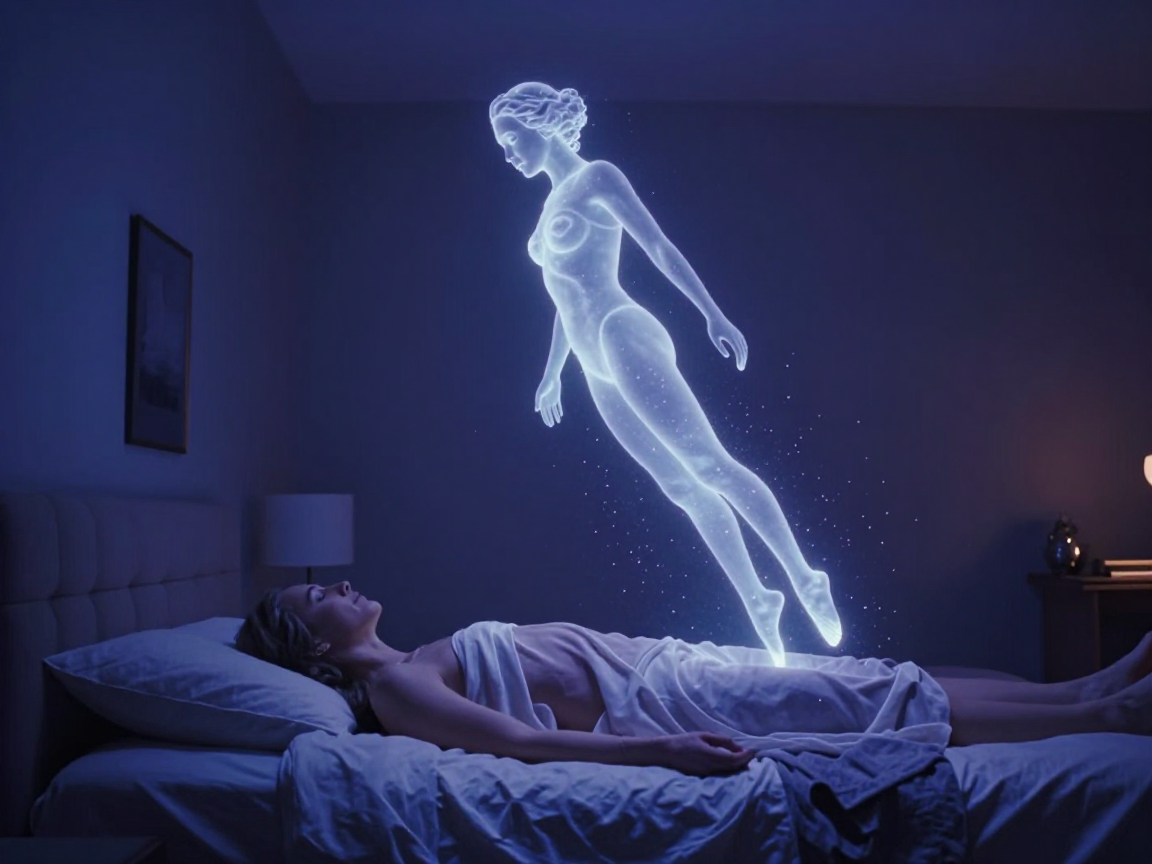
The sensation is often described as a subtle peeling away - a shift in perspective where the physical body remains heavy and stationary while the consciousness feels light, fluid, and inexplicably free. This phenomenon, known as astral projection or an out-of-body experience (OBE), has transitioned from the fringes of esoteric mystery into a practice sought by many seeking to understand the true nature of human consciousness. At its heart, mastering astral projection basics is not about escaping reality, but rather about expanding your definition of what it means to be present.
While the concept may seem intimidating, it is a skill that can be cultivated through patience, relaxation, and a systematic understanding of the transition between the physical and non-physical states. Many people experience brief moments of projection spontaneously - perhaps during a nap or just before falling asleep - without realizing what is happening. By learning the foundational principles of astral projection basics, you can move from accidental occurrences to intentional, conscious exploration of the astral plane.
Defining the Experience: What is Astral Projection?
Before diving into the techniques, it is essential to clarify what we mean by astral projection basics. Astral projection is the intentional act of separating the consciousness (often called the astral body or etheric double) from the physical body. Unlike a dream, where the mind creates a subjective narrative, astral projection is characterized by a high degree of lucidity and the sensation of moving through a real, albeit non-physical, environment.
One of the most common questions beginners ask is how this differs from lucid dreaming. In a lucid dream, you become aware that you are dreaming while inside the dream world. In astral projection, the awareness remains continuous from the moment you lie down to the moment you leave your body. There is no "gap" in consciousness. You are fully awake and aware, yet your body is in a state of deep sleep. This state is frequently referred to as "Mind Awake, Body Asleep" .
The astral plane itself is often described as a vibrational frequency that exists parallel to our physical world. When you project, you are essentially tuning your internal frequency to match that of the astral environment. This is why the concept of vibration is so central to all astral projection basics; it is the bridge between the two states of being.
The Vibrational State: The Gateway to the Astral
As you begin practicing, you will likely encounter what is known as the vibrational state. This is perhaps the most critical milestone in learning astral projection basics. It often occurs just as you are on the verge of sleep, in the hypnagogic state. You may feel a sudden buzzing, tingling, or an intense rushing sensation throughout your body. Some practitioners even report hearing high-pitched ringing or "astral noises" like voices or music.
For the uninitiated, this stage can be frightening. The physical sensation is powerful and unfamiliar. However, understanding that these vibrations are a natural sign of the separation process is key. Instead of fighting the sensation or letting fear pull you back into full physical wakefulness, the goal is to lean into the vibrations. You should attempt to mentally "increase" the intensity of the buzz, allowing it to wash over you until you feel light enough to move.
It is helpful to view these vibrations as a sort of "engine start" for the astral body. They signal that the energetic connection to the physical frame is loosening. When you reach the peak of this state, you are perfectly positioned to utilize an exit technique.
A Step-by-Step Framework for Conscious Separation
Successfully projecting requires a balance of intense mental focus and extreme physical relaxation. If you are too tense, the body won't enter the necessary sleep state; if you are too unfocused, you will simply fall asleep and start dreaming. Follow this structured approach to practice the astral projection basics effectively.
1. Physical Preparation and Environment
Your environment plays a massive role in your success. You need a space where you will not be interrupted for at least an hour.
- Comfortable Clothing: Wear loose, non-restrictive clothes.
- Lighting: Dim lights or total darkness are usually preferred to minimize sensory input.
- Temperature: Your body temperature drops during deep relaxation, so ensure you have a light blanket nearby.
- Position: Many find success lying on their back (the savasana pose) as it prevents the body from falling into its habitual side-sleeping positions, which often leads to unconscious dreaming.
2. Progressive Muscle Relaxation (PMR)
To reach the "Body Asleep" state, every muscle must be completely surrendered. Start at your toes and work your way up to your face, tensing each muscle group for a few seconds and then releasing it fully. Imagine your body becoming heavy, like lead, sinking into the mattress. By the time you reach your scalp, you should feel as though your limbs are no longer yours to move.
3. Entering the Hypnagogic State
As your body relaxes, your mind will start to drift. This is the liminal space between waking and sleeping. Your goal here is to maintain a "thread of awareness" . You can do this by focusing on your breath or by visualizing a simple object, like a candle flame or a blue sphere. If your mind wanders into dream-like imagery, gently bring it back to your focal point.
4. Deepening the Trance
Once you feel a sense of floating or numbness, you are in a deep trance. This is where you might start to feel the vibrations mentioned earlier. If they don't happen automatically, you can encourage them by imagining a wave of energy moving from your head to your feet and back again. Synchronize this visualization with your breath.
5. Applying the Exit Technique
When the vibrations are strong, or when you feel completely disconnected from your physical senses, choose one of the following methods to separate:
- The Rope Method: Imagine a thick, sturdy rope hanging above you. Without moving your physical hands, visualize your "astral hands" reaching up and pulling yourself up the rope. Feel the tension and the effort of the climb until you feel yourself pop out of your physical shell.
- The Roll-Out: Gently try to roll your body over as if you were rolling out of bed. Do not use your physical muscles; use the intent of movement. If successful, you will roll right out of your body and onto the floor (or float beside the bed).
- The Target Visualization: Pick a specific object in another room that you know well. Focus all your intent on being in front of that object. Try to feel the texture of the air in that room. The pull of your intent can often snap you directly to that location.
Common Hurdles and How to Overcome Them
Even with a solid grasp of astral projection basics, most practitioners do not succeed on their first attempt. The most common obstacle is fear. The "fear of the unknown" or the sudden intensity of the vibrations often triggers a physical startle response, which immediately ends the session. To overcome this, remind yourself that you are safe. You are a conscious being who naturally leaves the body every night during sleep; the only difference here is that you are doing it consciously.
Another hurdle is the "heavy" feeling, sometimes called the "tarsier effect" or being stuck. This happens when the separation is incomplete. If you feel stuck, it is usually because you are still too focused on your physical sensations. Shift your focus entirely to a point across the room. Distance is your friend when it comes to separation.
Finally, the "monkey mind" can prevent the deep trance necessary for projection. If you find yourself thinking about your to-do list or wondering "Is it working yet?" , you are tethering yourself to the physical brain. Practical astral projection basics require a state of "detached observation" . You must observe your thoughts without engaging with them.
Safety, Ethics, and the Silver Cord
A common myth in the world of astral projection basics is the idea that you can get lost or that something else can "enter" your body while you are away. Metaphysical traditions and experienced practitioners point to the concept of the "silver cord" - an unbreakable energetic link between the astral and physical bodies. This cord ensures that you are always tethered to your physical form. In fact, the most common problem is not getting lost, but being snapped back into the body too quickly by a sudden noise or a stray thought.
From an ethical and safety standpoint, it is important to enter the astral plane with a clear, positive intention. Like attracts like in the astral realm. If you are feeling highly anxious, depressed, or angry, it is better to focus on grounding and meditation before attempting a projection. Approaching the practice with a sense of curiosity, respect, and calm will yield the most profound and positive experiences.
The Path Forward: Consistency is Key
Mastering astral projection basics is a journey of self-discovery. It challenges your perceptions of reality and provides a visceral understanding that you are more than just a physical organism. While the techniques are straightforward, the mastery lies in the consistency of practice.
Do not be discouraged by failed attempts. Each session where you achieve deep relaxation or feel a hint of vibration is a success. You are retraining your consciousness to operate in a whole new way. With time, the threshold between the physical and the astral will become easier to navigate, opening doors to a level of exploration that few truly get to experience. Keep a journal of your attempts, noting the time of day, your physical state, and any sensations you felt. This data will help you identify your own unique patterns and the "sweet spot" for your successful out-of-body adventures.