Moving On When You Still Feel Tethered: A Deep Guide to the Cord Cutting Ritual
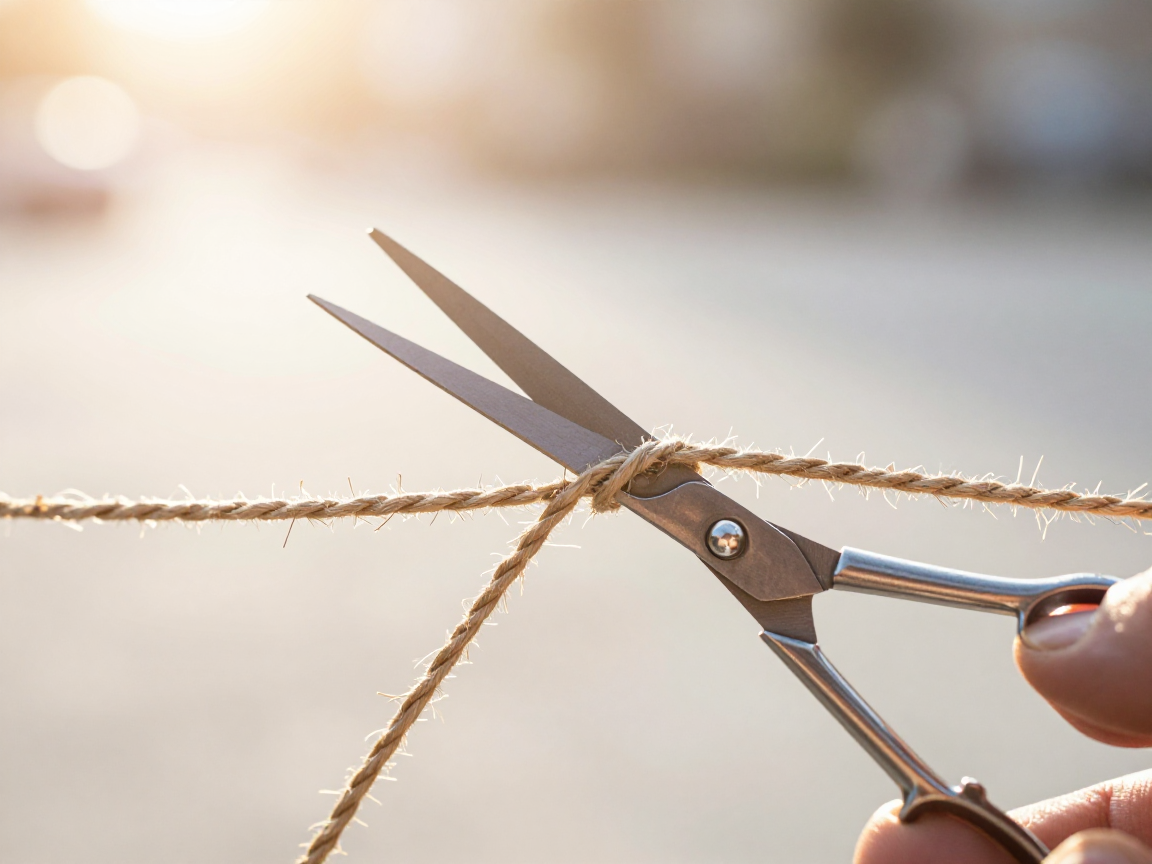
We have all experienced that heavy, lingering sensation that follows a significant ending. Whether it is a breakup, a friendship that turned sour, or a professional departure, some connections seem to defy the physical reality of separation. You might find yourself checking their social media, replaying old conversations in your head, or feeling a sudden wave of their anxiety even when they are miles away. This persistent energetic link is often described as an attachment cord, and when it becomes draining or toxic, a cord cutting ritual serves as a profound psychological and spiritual tool for reclamation.
At its core, a cord cutting ritual is not an act of hostility or an attempt to erase the past. Instead, it is a conscious decision to withdraw your energy from a dynamic that no longer serves your highest good. It is a symbolic ceremony that signals to your subconscious mind—and to the universe at large—that you are ready to be whole again. By engaging in this practice, you transition from a state of being reactive to your past to a state of being proactive about your future.
What Is an Energetic Cord?
In various spiritual and psychological traditions, energetic cords are seen as invisible threads that connect us to the people we interact with. When a connection is healthy, these cords facilitate a balanced exchange of love, support, and understanding. However, when a relationship becomes codependent, manipulative, or simply comes to a natural end, these cords can become conduits for drainage. You may feel as though your "battery" is being depleted by someone else without your consent.
These ties are often formed through shared trauma, intense emotional intimacy, or even deep-seated resentment. Because energy does not strictly follow the rules of time and space, these cords can persist long after you have stopped speaking to someone. This is why you might feel "stuck" even after months of therapy or physical distance. The cord cutting ritual acts as a focused intervention to sever these energetic pathways, allowing you to stop the leak and begin the process of internal healing.
Signs You Need a Cord Cutting Ritual
Recognizing when you are tethered is the first step toward freedom. We often mistake these energetic ties for love or loyalty, but if the connection is making you feel smaller, weaker, or perpetually distracted, it is likely an unhealthy attachment. Here are several signs that it might be time to perform a cord cutting ritual:
- Obsessive Rumination: You cannot stop thinking about the person, even when you desperately want to focus on something else.
- Feeling Their Emotions: You experience sudden moods, anxieties, or physical sensations that do not feel like your own.
- Drainage and Fatigue: You feel exhausted after thinking about them or interacting with them, as if they are literally siphoning your vitality.
- Inability to Move Forward: You feel "frozen" in your life, unable to start new relationships or pursue new goals because your mind is constantly pulled backward.
- Dreaming of Them Constantly: Your subconscious is stuck in a loop of processing the relationship during sleep.
- Physical Tension: You carry unexplained tightness in your solar plexus, chest, or throat when the person comes to mind.
The Different Types of Energetic Cords
Not all cords are created equal. Understanding the nature of the link can help you focus your cord cutting ritual more effectively. Generally, these attachments fall into three categories:
- Romantic and Sexual Cords: These are often the most intense and are typically located in the sacral or heart chakras. They carry the weight of shared intimacy and future plans that never came to fruition.
- Conflict-Based Cords: These are fueled by anger, resentment, or a need for justice. They often attach to the solar plexus, as they are about power dynamics. You remain tied to an enemy just as tightly as you do to a lover.
- Familial and Obligation Cords: These are often the oldest cords, formed in childhood. They are rooted in survival and deep-seated patterns of behavior that can feel "normal" even when they are profoundly limiting.
Why Rituals Work: The Psychology of Symbolic Action
Some might wonder why a physical ritual is necessary if the problem is energetic or psychological. Humans are ritualistic creatures. Our brains respond powerfully to symbolic actions because they bridge the gap between the conscious mind and the deeper, more primal layers of our psyche. When you perform a cord cutting ritual, you are providing your brain with a tangible "marker" of an ending.
Psychologically, this is similar to how a funeral helps with closure or a graduation ceremony marks a transition in identity. Without a ritual, the "file" in your brain remains open, constantly running in the background and consuming mental RAM. By performing a physical act—such as cutting a string or blowing out a candle—you are telling your nervous system that the "contract" is finished. This allows the body to finally shift out of a state of hyper-vigilance and back into a state of safety and self-regulation.
Preparing Your Space and Your Mind
Before diving into the cord cutting ritual itself, preparation is essential. You want to create an environment where you feel safe, uninterrupted, and grounded. This is not something to rush through during a lunch break; it requires a focused, intentional state of mind.
- Cleanse the Area: Use sage, palo santo, or even just a spray of salt water to clear the energy of the room. This creates a "blank slate" for your work.
- Set Your Intention: Be very clear about why you are doing this. Say it out loud if you can: "I am performing this cord cutting ritual to reclaim my energy from [Name] and to return to my own center."
- Gather Your Tools: Depending on the method you choose, you might need a candle, a piece of string, scissors, or simply a quiet place to sit.
- Ground Yourself: Spend five minutes breathing deeply. Imagine roots growing from your feet into the earth. You must be centered in your own power before you can effectively cut a tie to someone else.
A Framework for the Cord Cutting Ritual: Two Practical Methods
There is no single "right" way to perform a cord cutting ritual, but the most effective methods usually involve a combination of visualization and physical action. Below are two frameworks you can use depending on your personal preference.
Method 1: The Visualization and Scissors Technique
This method is powerful because it uses your internal sight to identify where the connection is most felt. It is less about props and more about mental focus.
- Step 1: Locate the Cord. Close your eyes and scan your body. Where do you feel the connection to this person? Is it a heavy chain in your stomach? A thin wire in your heart? A tight band around your throat? Visualize exactly what it looks like.
- Step 2: Connect with the Person. Briefly visualize the person standing in front of you. Acknowledge them without judgment. You might say, "I see the connection we had, and I acknowledge its purpose, but it is now complete."
- Step 3: The Cut. Using your hand as a "blade" or imagining a pair of golden scissors, see yourself physically slicing through the cord. As you do this, exhale sharply.
- Step 4: The Cauterization. After the cut, visualize the ends of the cord on your body being sealed with golden light. You do not want a "bleeding" energetic wound; you want a sealed, healthy boundary.
- Step 5: The Return. Imagine the other person drifting away into the distance until they disappear. Bring your focus back to your own breath and your own body.
Method 2: The Two-Candle Ceremony
This is a more traditional "physical" cord cutting ritual that provides a visual representation of the separation. This is particularly helpful if you find visualization difficult.
- The Representation: Take two candles. One represents you, and the other represents the person you are detaching from.
- The Tie: Tie a piece of twine or string between the two candles, connecting them.
- The Invocation: Light both candles. Spend a few moments reflecting on the lessons learned from this person, but also the weight of the connection you are now releasing.
- The Severing: Using a pair of scissors, cut the string in the middle. As you do, state firmly: "I release you. I release the hold you have on me, and I release the hold I have on you."
- The Completion: Let the candles burn down in a safe place, or extinguish them once you feel the shift in energy. Dispose of the string by burying it or throwing it away outside of your home.
Troubleshooting: What to Do if the Connection Persists
Sometimes, even after a heartfelt cord cutting ritual, you might find your mind wandering back to the person. This doesn't necessarily mean the ritual failed. It often means there are multiple layers to the connection.
- Address the Habit: The brain has neural pathways built around the person. You must consciously redirect your thoughts when they arise. The ritual cuts the energetic supply, but you must still do the work of changing your mental habits.
- Check for Internal Secondary Gain: Ask yourself if a part of you still wants to be connected. Sometimes we hold onto toxic cords because the drama makes us feel "alive" or because we aren't ready to face the loneliness of being truly separate. Be honest with yourself about your readiness to let go.
- Repeat as Necessary: For deep, long-standing relationships, you might need to perform a series of smaller "maintenance" rituals. Treat it like a physical wound that needs multiple cleanings before it can fully scar over.
Integration: Journaling and Post-Ritual Care
The hours and days following a cord cutting ritual are just as important as the ceremony itself. You may feel a sudden sense of lightness, but you might also feel a sense of grief or "phantom limb" syndrome. This is normal. You are retraining your energy to exist without a familiar, albeit toxic, tether.
- Salt Bathing: Take a bath with Epsom salts or sea salt. Salt is a natural energetic neutralizer and helps wash away any lingering residue from the ritual.
- Digital Boundaries: For the ritual to stick, your physical actions must match your energetic ones. Block or mute the person on social media. Do not go looking for information about them. If you "check in" on them, you are essentially trying to re-attach the cord you just cut.
- Journaling Prompts: Spend some time writing after your ritual. Ask yourself:
- What energy did I give away to this person that I am now taking back?
- What did I learn from this connection that I will carry forward without the pain?
- What will I do with the new space in my mind and heart?
Common Misconceptions About Cutting Cords
One major misconception is that a cord cutting ritual is a "curse" or a way to hurt someone. In reality, it is a neutral act of boundary setting. By cutting a cord, you are also freeing the other person from your energy. It is a gift of freedom to both parties. You are essentially saying, "I am responsible for my happiness, and you are responsible for yours."
Another misconception is that you will forget the person. Cutting cords does not cause amnesia. You will still have your memories, but the "charge" or the "sting" associated with those memories will dissipate. You will be able to remember the past without being controlled by it.
Moving Forward in Your Own Light
The goal of the cord cutting ritual is not to forget that the person existed, but to reach a point where their existence no longer dictates your emotional state. When the energetic tie is severed, you regain the "bandwidth" necessary to focus on your own growth, your own passions, and your own peace.
You deserve to occupy the entirety of your own space. You deserve to wake up without the heavy shadow of someone else's expectations or past mistakes looming over you. By reclaiming your energy through this practice, you are making a sacred vow to yourself—a vow that your future is more important than your past. Take a deep breath, pick up the scissors of your intention, and step into the clarity of your own light.