Beyond the Physical: A Practical Guide to Navigating the Out of Body Experience
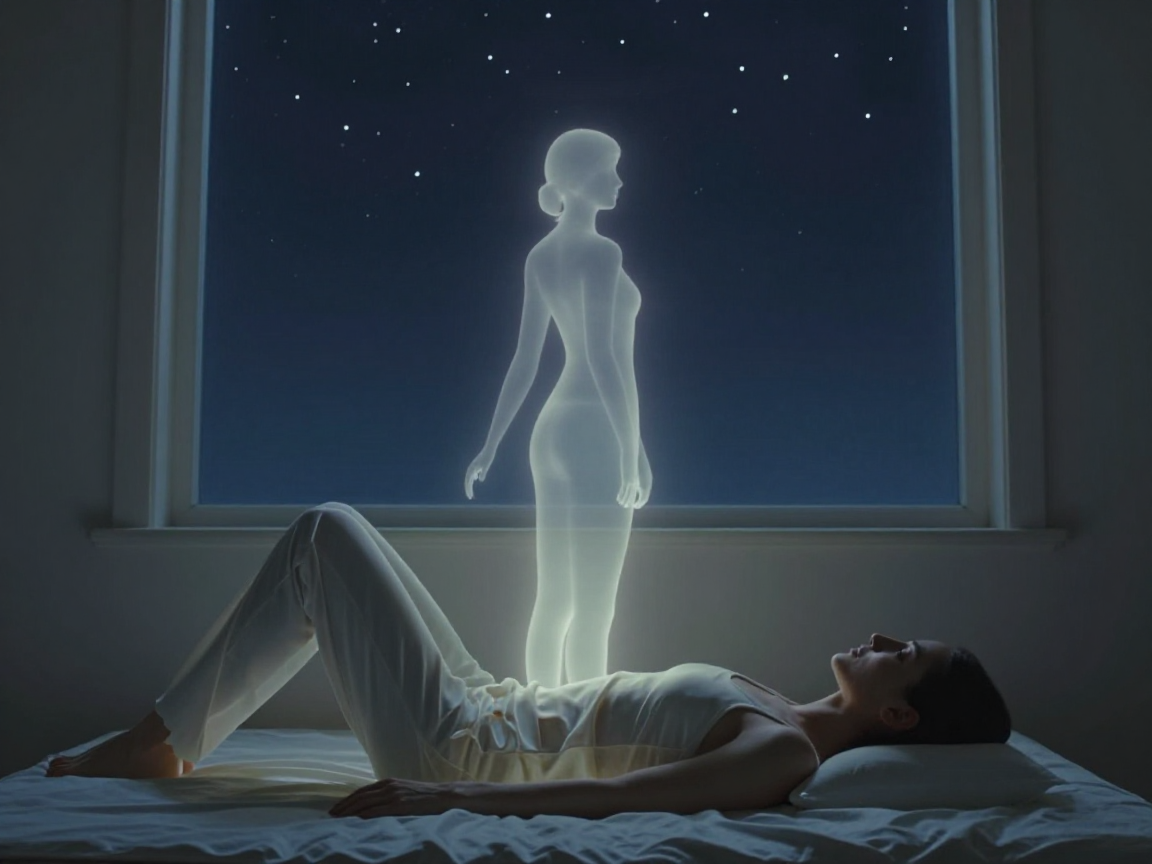
The sensation of hovering above your own resting form is often described as the ultimate frontier of human consciousness. This phenomenon, known as an out of body experience, has been documented across cultures and centuries, appearing in ancient spiritual texts and modern medical journals alike. While it was once relegated to the realm of the mystical, contemporary neuroscience is beginning to peel back the layers of how and why the mind can seemingly detach from its physical anchor. Whether it occurs spontaneously during a moment of crisis or is sought after through dedicated practice, the experience remains one of the most profound shifts in perspective a person can undergo.
Navigating an out of body experience requires a balance of scientific understanding and psychological readiness. It is not merely a hallucination or a vivid dream; for many, it is a state of hyper-awareness where the boundaries of the self expand beyond the skin. This guide explores the mechanics of this phenomenon, the physiological triggers that make it possible, and a structured framework for those looking to explore these non-physical states safely and intentionally.
The Science of the Out of Body Experience
To understand the out of body experience, we must first look at how the brain creates our sense of presence. Under normal circumstances, the brain integrates sensory information - sight, sound, touch, and vestibular input - to tell us exactly where we are in space. This process primarily happens in a region called the temporoparietal junction (TPJ). When the TPJ fails to integrate these signals correctly, the sense of self can become dislocated from the physical body.
Researchers like Dr. Olaf Blanke have demonstrated that by stimulating the TPJ with mild electrical currents, they can reliably induce an out of body experience in patients. This suggests that the experience is rooted in the brain's failure to maintain a unified model of the self. However, knowing the neurological mechanism does not diminish the subjective power of the event. Many who have experienced an OBE report that the "realness" of the state exceeds that of everyday waking life, leading to long-lasting changes in their worldview and a decreased fear of death.
Spontaneous out of body experiences often occur during near-death experiences (NDEs), extreme physical trauma, or periods of intense sleep deprivation. In these moments, the brain's internal mapping system goes offline, allowing the consciousness to perceive its environment from an external vantage point. This objective perspective can be jarring, yet it offers a unique opportunity to witness the world without the filter of physical sensation.
Common Characteristics and Sensations
While every out of body experience is unique, there are several hallmark sensations that practitioners and spontaneous experiencers frequently report. Recognizing these signs can help you stay calm if you find yourself entering this state unexpectedly.
- The Vibrational State: Before the separation occurs, many people feel an intense internal buzzing or electricity. This is often accompanied by a loud humming sound or a feeling of being "heavy" yet surging with energy.
- The Floating Sensation: Once the separation begins, the primary feeling is one of weightlessness. You may feel as though you are bobbing like a cork in water or slowly drifting toward the ceiling.
- Heightened Perception: Vision often becomes 360-degree, and colors may appear more vibrant. Thoughts are usually crystal clear, and the sense of time can feel distorted or nonexistent.
- The Silver Cord: Some traditions describe a thin, luminous thread connecting the physical body to the traveling consciousness. While not everyone sees this, it serves as a powerful metaphor for the unbreakable link between the mind and the body.
- Dual Awareness: In the early stages, you may be aware of both your physical body resting on the bed and your non-physical self moving through the room. This "split" focus is a key indicator that you are successfully navigating the state.
A Step-by-Step Framework for Inducing an OBE
Inducing an out of body experience intentionally takes patience and practice. The most effective methods involve keeping the mind awake while allowing the body to fall into a deep state of sleep. This is often referred to as Mind Awake, Body Asleep (MABA).
Step 1: The Progressive Relaxation Phase
Start by lying on your back in a comfortable, quiet environment where you will not be disturbed. Close your eyes and focus on your breath. Slowly move your attention from your toes up to your head, consciously releasing tension in every muscle group. Your goal is to reach a state of physical stillness so profound that you lose track of your limbs.
Step 2: Entering the Hypnagogic State
As your body relaxes, you will enter the hypnagogic state - the borderland between wakefulness and sleep. You might see swirling colors (phosphenes) or hear random fragments of sound. Do not engage with these images; simply observe them with a detached curiosity. Keep your mind tethered to a single, simple thought or a repetitive internal count to maintain lucidity.
Step 3: Recognizing the Vibrational Stage
If you remain still and focused, you will eventually hit the vibrational stage. This can be intimidating the first time it happens! It may feel like your entire body is shaking or being hit by a wave of static. Remind yourself that this is a natural physiological precursor to an out of body experience. Lean into the sensation rather than pulling away from it.
Step 4: The Separation Technique
Once the vibrations peak, use a visualization technique to exit the body. The "Rope Technique" is one of the most popular. Imagine a sturdy rope hanging from the ceiling directly above you. Without moving your physical muscles, reach out with your "inner hands" and begin to climb. Feel the texture of the rope and the effort of the pull. Alternatively, try the "Roll-out Method," where you imagine yourself gently rolling over as if to get out of bed, but doing so with your consciousness rather than your physical frame.
Step 5: Exploration and Return
Once you are out, keep your initial explorations brief. Move to a different part of the room or look at a specific object. To return, simply think about your physical body or move a finger or toe. The connection is instantaneous, and you will find yourself back in your body, often feeling a sudden "snap" or jolt.
Overcoming Fear and Common Obstacles
The biggest hurdle to achieving an out of body experience is fear. The human ego is designed to keep us tethered to the body for survival, and the sensation of leaving that body can trigger a "fight or flight" response. This response usually manifests as a rapid heartbeat or a sudden gasp, which immediately pulls the consciousness back into wakefulness.
To move past this, it is helpful to cultivate a mindset of safety. An out of body experience is a temporary shift in perception, not a permanent departure. You cannot get "lost" or be unable to return! The physical body acts like a magnet, and the slightest disturbance - a loud noise, a full bladder, or a stray thought about your physical self - will bring you back instantly.
Sleep paralysis is another common obstacle. This occurs when the brain's mechanism for paralyzing the muscles during REM sleep (to prevent you from acting out your dreams) kicks in while you are still conscious. While it can feel terrifying, practitioners of OBEs view sleep paralysis as a golden opportunity. It means the body is perfectly asleep, and you are only one step away from separation. Instead of fighting the paralysis, use it as a launchpad for your visualization techniques.
Grounding After the Experience
Coming back from an out of body experience can leave you feeling slightly disoriented or "airy." Grounding is the process of reintegrating your consciousness fully into the physical world. This is an essential practice for maintaining mental and emotional balance after exploring non-physical states.
A Quick Grounding Checklist
- Physical Movement: Wiggle your toes and fingers, then slowly stretch your entire body.
- Hydration: Drink a glass of water. This helps reconnect you to the physical sensation of swallowing and digestion.
- Journaling: Write down everything you saw and felt. Translating the experience into language helps the brain process it as a memory rather than a dream.
- Eating: Consuming a small snack can help bring your focus back to the biological needs of the body.
- Nature: If possible, walk barefoot on grass or touch a plant. The sensory input of the natural world is a powerful grounding tool.
Why Pursue an Out of Body Experience?
For many, the motivation to seek an out of body experience is rooted in a desire for proof that consciousness is more than just a byproduct of the brain. The experience of existing without a physical form can be life-altering, offering a sense of peace and a broader understanding of the universe. It challenges the materialist view that we are merely "biological machines" and suggests a much more complex relationship between the mind and reality.
Beyond the philosophical implications, OBEs can be a tool for personal growth. They allow for a unique form of self-observation, free from the biases and pains of the physical self. This perspective can lead to breakthroughs in creative problem-solving, emotional healing, and spiritual development. By learning to navigate the out of body experience, you are essentially learning to navigate the depths of your own mind, discovering that the boundaries you once thought were absolute are, in fact, quite fluid.
Whether you view the out of body experience as a neurological quirk or a profound spiritual journey, the path to achieving it is one of self-discovery. It requires discipline, a willingness to face the unknown, and a deep respect for the power of human consciousness. As you practice and explore, remember to stay grounded, stay curious, and keep an open mind to the possibilities that exist just beyond the edge of your physical reach.