Why Your Readings Feel Shallow: A Guide to Mastering the Language of Tarot Symbolism
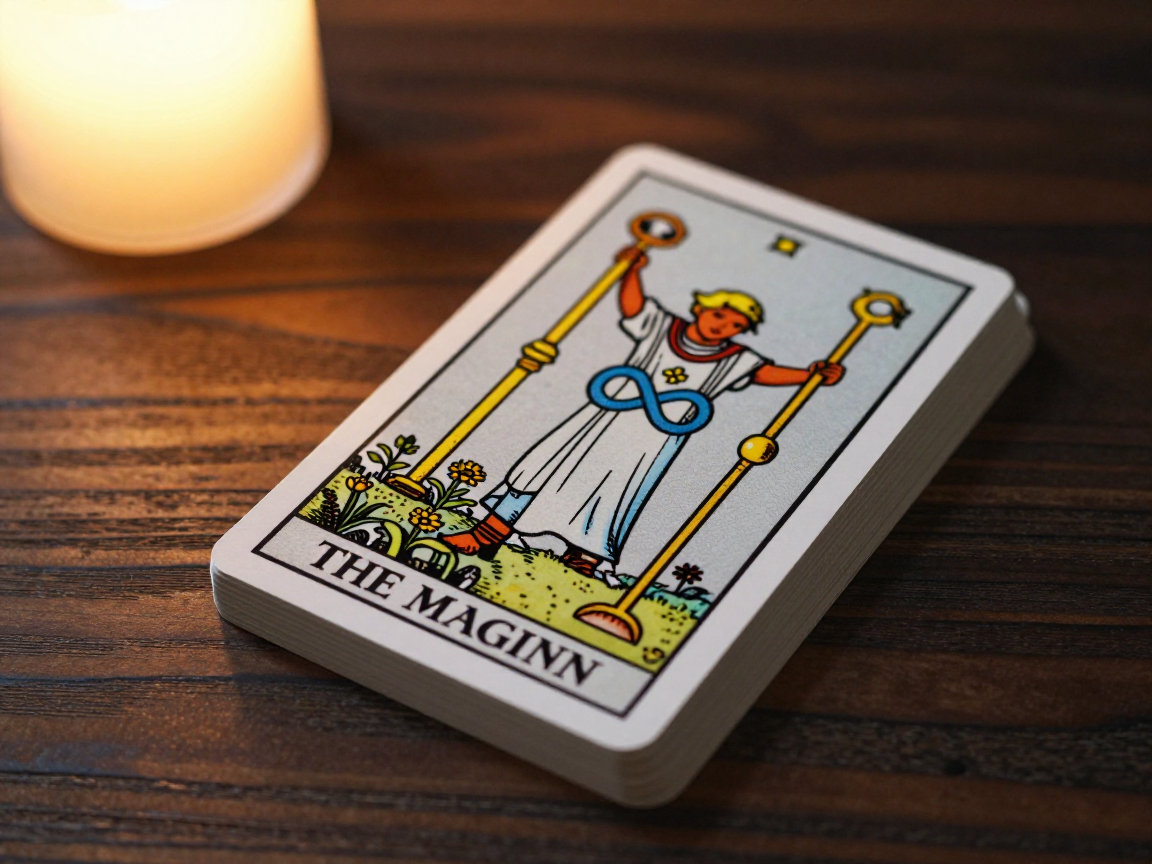
When you first pick up a tarot deck, it is easy to treat the cards like a foreign language phrasebook. You pull a card, look up the definition in a small paper manual, and try to force that canned meaning into the context of your life. But after a few weeks, many practitioners hit a wall. The readings start to feel repetitive, flat, or disconnected from reality. This happens because the true power of the cards does not lie in a list of keywords; it lives in the intricate web of tarot symbolism that speaks directly to the subconscious mind.
Tarot symbolism is a visual shorthand for the human experience. Every color, animal, planetary sigil, and geometric shape is a deliberate choice intended to trigger a specific psychological or spiritual response. When you learn to read these symbols instead of just memorizing definitions, you stop being a translator and start being a storyteller. You begin to see how the jagged mountains behind the Fool represent the challenges yet to come, or how the calm water in the Temperance card reflects the emotional stability required for true alchemy. By mastering this language, you unlock a deeper level of intuition that moves beyond the surface and into the soul of the querent.
The Architecture of Meaning: Why Symbols Matter
At its core, tarot is a tool for mapping the psyche. Carl Jung, the Swiss psychiatrist, famously spoke of archetypes—universal, mythic characters that reside in the collective unconscious. Tarot cards are the physical manifestations of these archetypes. The reason a card like the Tower resonates so strongly, even for someone who has never seen a deck before, is that the image of a structure being struck by lightning is a universal symbol for sudden, disruptive change. It bypasses our logical filters and hits an ancient, primal part of our understanding.
Tarot symbolism works because the human brain processes images sixty thousand times faster than text. Symbols bypass our logical, skeptical mind and speak directly to our emotions and memories. When you see the color red in a card like the Emperor, your brain immediately registers power, blood, fire, and vitality. You do not need to read a book to know that red signifies a grounding, assertive energy. This visceral connection is what allows a reader to provide insights that feel personal and profound rather than generic. It transforms the reading from a clinical analysis into a living, breathing dialogue between the conscious and unconscious mind.
Understanding tarot symbolism also provides a safety net for those days when your intuition feels quiet. If you are struggling to connect with a card, you can fall back on the visual evidence. Why is the figure looking to the left? Why is the sky gray instead of blue? These small details are the breadcrumbs that lead you back to the core meaning of the spread. They turn a static image into a dynamic environment where every element has a job to do, ensuring that even in your most uninspired moments, the cards still have a clear voice.
The Elemental Foundation: Suits and Their Visual Cues
The Minor Arcana is often where beginners struggle most, yet it is rich with foundational tarot symbolism. The four suits—Wands, Cups, Swords, and Pentacles—are tied to the four classical elements, and their visual representations tell a consistent story about the area of life they govern. Recognizing these elements at a glance allows you to identify the "temperature" of a reading instantly.
In the suit of Wands, the element is Fire. Look for symbols of growth and action. You will often see sprouting leaves on the wooden staves, representing the raw potential of an idea. The landscapes are often sun-drenched, emphasizing the heat of ambition and the spark of creativity. When Wands appear, the symbolism points to the "why" of our lives—our passion, our drive, and our spiritual identity. If the Wands look charred or the figures look exhausted, the fire is burning out; if they are upright and vibrant, the energy is peaking.
Cups are ruled by Water, and the symbolism here focuses on the vessel and the fluid within it. The state of the water in a card tells you everything you need to know about the emotional climate. Is the water calm, as in the Two of Cups? That indicates harmony. Is it overflowing, or perhaps stagnant? Even the presence of a fish popping out of a cup, as seen in the Page of Cups, symbolizes a surprise from the subconscious mind. Water represents the "feeling" realm of existence—our relationships, our healing, and our intuition.
Swords represent Air, the element of the intellect and conflict. The tarot symbolism in this suit is often sharp, stark, and sometimes unsettling. You will see many clouds, representing the fog of the mind or the clarity of a breakthrough. Birds, butterflies, and wind-swept trees are common, reminding us that thoughts are fleeting and often turbulent. This suit deals with the "how"—our communication, our mental processing, and the double-edged sword of truth that can both liberate and wound.
Pentacles are grounded in the element of Earth. The symbolism here is tactile and slow. Look for gardens, coins, architecture, and lush greenery. The focus is on the physical world, wealth, and the body. Unlike the fast-moving Wands or the shifting Water of Cups, Pentacles represent the "what"—the tangible results of our labor, our sense of security, and our legacy. When the symbolism of Pentacles leans toward the barren, it suggests a lack of resources; when it is lush, it suggests abundance and manifestation.
The Power of Landscape and Geometry
Beyond the figures and the elemental suits, the backgrounds of tarot cards hold immense weight. Many readers overlook the geography of the card, yet this is where the "vibe" of the reading is often established. In tarot symbolism, landscapes are never just filler; they are the stage upon which the soul's drama unfolds.
Mountains in the background of cards like the Lovers or the Hermit represent high goals, spiritual peaks, and the obstacles we must overcome to reach them. They suggest that the current situation requires effort and a long-term view. In contrast, vast, flat plains suggest a clear path ahead but perhaps a lack of shelter or mystery. The presence of a path, such as the one winding toward the distant mountains in the Moon card, symbolizes the long, arduous journey of the soul—a reminder that some things cannot be rushed.
Geometry also plays a subtle but vital role. Notice how many cards feature triangles (representing the trinity or manifestation), squares (representing stability and the physical world), or circles (representing wholeness and the divine). In the Temperance card, the square on the angel's chest with a triangle inside it illustrates the divine spirit held within the physical body. Recognizing these shapes allows you to understand the structural integrity of the message being delivered.
Decoding the Major Arcana: High-Impact Archetypes
The Major Arcana represents the big "soul lessons" we encounter on our journey. Here, the tarot symbolism becomes much more dense and layered. These cards are not just about daily events; they are about the evolution of the self and the external forces that shape our destiny.
The Fool: The Symbolism of Zero
The Fool is the only card in the deck numbered zero, a circle that represents both nothingness and infinite potential. His yellow background symbolizes the light of consciousness, while the white dog at his heels represents the instinctual self trying to protect the spirit. The white rose in his hand is a symbol of purity and innocence, unburdened by experience. The cliff he stands upon is perhaps the most vital piece of tarot symbolism in the card—it represents the threshold between the known and the unknown, the leap of faith required for any new beginning. He is the archetype of the soul before it enters the world of form.
The High Priestess: The Pillars of Duality
In the High Priestess, we see the pillars of Boaz and Jachin, representing the polarities of the universe—dark and light, feminine and masculine, passive and active. She sits in the middle, symbolizing the "third way" or the bridge between these worlds. The pomegranates on the veil behind her represent fertility and the hidden mysteries of the underworld, while the crescent moon at her feet connects her to the cycles of time and the unconscious. This card is a masterclass in tarot symbolism regarding the unseen and the intuitive; she tells us that the answer is not found in the physical world, but in the silence between breaths.
The Magician: As Above, So Below
The Magician is a card of manifestation. His most famous piece of tarot symbolism is his posture: one hand pointing to the sky and the other to the earth. This illustrates the hermetic concept of "as above, so below," suggesting that we have the power to bring spiritual ideas into the physical realm. The infinity symbol (lemniscate) above his head signifies the eternal nature of energy, while the four tools on his table show that he has everything he needs—the fire of the wand, the water of the cup, the air of the sword, and the earth of the pentacle—to create his reality. He is the bridge between intention and action.
A Practical Framework: How to Read Any Symbol
When you encounter a symbol you do not recognize, you do not need to run to a search engine. You can use this five-step framework to decode the tarot symbolism on the fly. This process helps you build a personal connection to the imagery, which is far more powerful than a textbook definition.
- Immediate Emotional Impact: Before analyzing the card, notice how the symbol makes you feel. Does the lightning in the Tower feel scary, or does it feel like a relief? Your first gut reaction is usually the most accurate indicator of the card’s message in that specific reading.
- Color Correspondence: Look at the dominant colors. Yellow usually indicates joy, intellect, or visibility. Blue suggests intuition, sadness, or the subconscious. Black often represents the unknown or a state of transition. Green speaks to growth and healing. How do these colors change the mood of the main image?
- Directional Cues: Pay attention to where the figures are looking. In many decks, looking to the left represents looking toward the past or the internal world. Looking to the right represents the future or the external world. If a figure is facing you directly, it often indicates a direct confrontation with the truth.
- Nature and Weather: Is the sky clear, or are there mountains in the distance? Mountains in tarot symbolism usually represent obstacles or high spiritual goals. Water represents the emotional state. A calm sea is a calm heart; a stormy sea is emotional turmoil.
- Synthesize the Story: Combine these elements. If you see a figure looking toward the past (left) with a gray sky (uncertainty) and a wall behind them (protection or stagnation), what story does that tell about the querent’s current situation?
Common Symbols and Their Universal Meanings
While every deck creator may put their own spin on things, there are several "universal" symbols that appear across most traditions. Familiarizing yourself with these will dramatically speed up your ability to interpret complex spreads.
- The Sun: Almost always represents clarity, success, and the light of truth. It is the "ah-ha" moment when everything becomes visible.
- The Moon: Represents the "shadow self," illusion, and the things we cannot see clearly. It is the realm of dreams, anxiety, and the fluctuating tide of the subconscious.
- Birds: Usually represent the element of Air and the movement of messages or thoughts. An eagle might represent higher perspective, while a butterfly represents transformation.
- Keys: Symbolize the unlocking of secrets or the gain of new knowledge. In the Hierophant card, they represent the tradition and the "keys" to the kingdom of heaven.
- Gates and Doorways: These represent transitions. They are the "liminal spaces" where we leave one version of ourselves behind to become something new.
- Pathways: A winding path, like the one in the Moon card or the Temperance card, represents the long journey of the soul. It suggests that the goal is not reached immediately but through steady progress.
Moving Beyond the "Little White Book"
The ultimate goal of studying tarot symbolism is to eventually outgrow the need for guides. When you look at the Ten of Swords and see the ten blades piercing the figure's back, you should feel the finality of that ending. You should see the golden light on the horizon and recognize that the "sun" is rising again. That is the moment the cards stop being a game and start being a mirror.
To deepen your practice, try a "symbol of the day" exercise. Pull a card and ignore the title. Find one small detail—a flower, a cloud, a specific shoe—and sit with it. Ask yourself what that symbol represents to you personally. In some cultures, a dog is a guardian; in others, it is a scavenger. Your personal relationship with tarot symbolism is what makes your readings unique. Use the traditional meanings as a foundation, but let your own intuition build the house.
As you progress, you will find that the cards begin to speak to each other. The symbols in one card will mirror or contrast with the symbols in the next. You might notice that the crown worn by the Empress is the same one being cast off in the Tower. This narrative thread is what creates a truly cohesive reading. Tarot symbolism is not a static set of rules; it is a living, breathing language that evolves as you do. The more you look, the more you will see, until the cards are no longer just cardboard and ink, but a profound map of the human heart.