Beyond the Spread: Navigating the Real Differences in Tarot vs Oracle Cards for Your Intuitive Journey
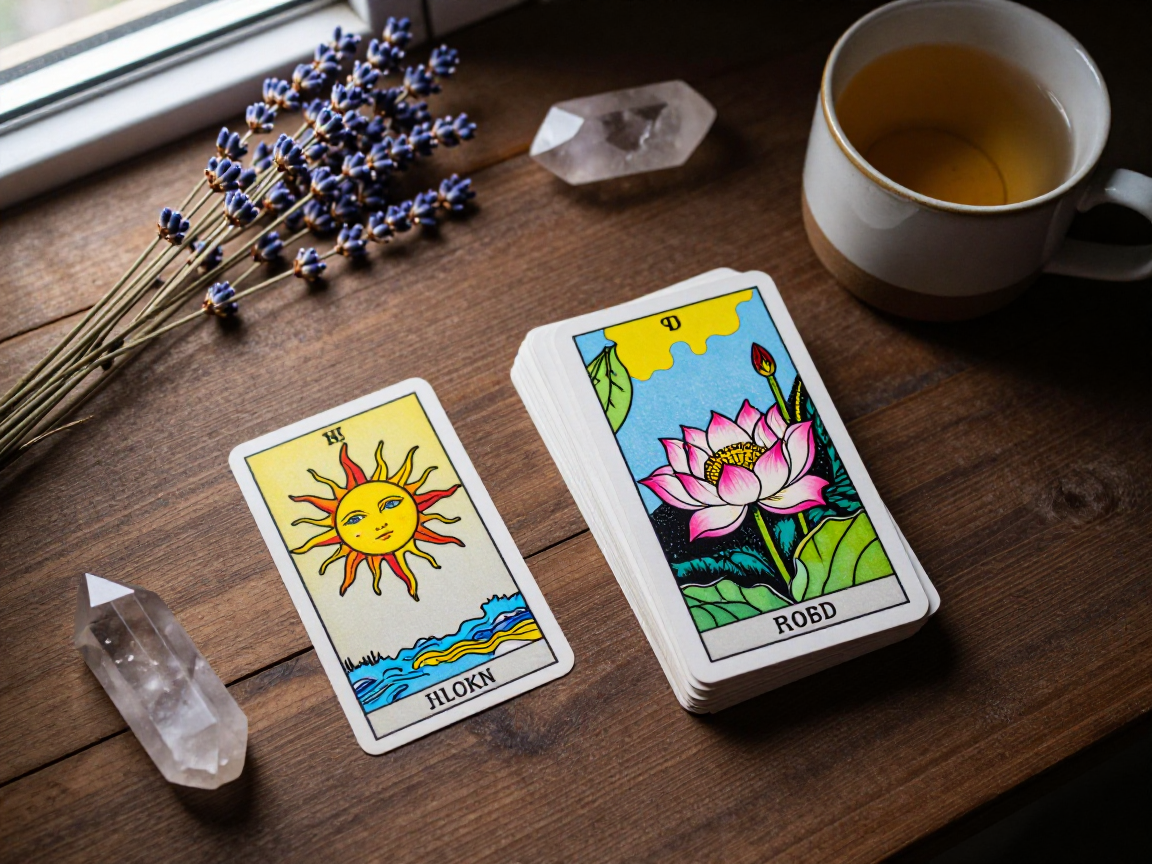
Walking into a metaphysical shop or browsing an online spiritual boutique can feel like stepping into a labyrinth of symbols, colors, and archetypes. You are met with walls of beautifully illustrated boxes, each promising a deeper connection to your subconscious. At the heart of this selection process lies a fundamental choice that every seeker eventually faces: tarot vs oracle cards. While they might look similar from a distance - both consisting of card decks used for reflection and insight - they function in entirely different ways. One is a rigorous, ancient architecture of the human experience, while the other is a fluid, modern landscape of intuitive themes.
Choosing between tarot vs oracle cards is not about which is better, but about which language your intuition currently wants to speak. Some days you need the tough love and detailed structure of a traditional system to map out your life. Other days, you might just need a gentle whisper of encouragement or a broad thematic focus to shift your perspective. Understanding the mechanics, the history, and the energetic signature of each can transform your daily practice from a confusing ritual into a powerful tool for self - discovery.
The Architecture of Tarot: A Time - Honored Map of the Soul
When we discuss tarot vs oracle cards, the primary differentiator for tarot is its rigid, predictable structure. A standard tarot deck almost always contains 78 cards, divided into two distinct groups: the Major Arcana and the Minor Arcana. This structure is not arbitrary. It represents a complete cycle of human development, often referred to as "The Fool's Journey". Because every tarot deck follows this same skeleton, once you learn the language of one deck, you can essentially read any tarot deck in existence.
The 22 cards of the Major Arcana represent the big life lessons, the karmic influences, and the major turning points that shape our destiny. These are the archetypes - like The Empress, The Tower, or The Star - that speak to the universal experiences we all share. Following these are the 56 cards of the Minor Arcana, which are further divided into four suits: Wands, Cups, Swords, and Pentacles. These suits represent the daily grind, focusing on our passions, emotions, intellectual struggles, and physical or financial realities. Because of this layered complexity, tarot is often seen as a comprehensive map. It does not just tell you how you feel; it attempts to explain why you are where you are in the grand cycle of your life.
The Freedom of Oracle: Intuition Without the Rulebook
If tarot is a classic novel with a beginning, middle, and end, oracle cards are a collection of poetry. There is no set number of cards in an oracle deck; you might find one with 12 cards and another with 100. There are no suits, no Major Arcana, and no universal rules that the creator must follow. When comparing tarot vs oracle cards, the oracle deck is the "wild card" of the divination world. Each deck is a self - contained universe based on a specific theme, such as animals, crystals, goddesses, or even abstract concepts like "sacred geometry".
This lack of structure is the greatest strength of the oracle deck. It allows for a more immediate, visceral reaction to the imagery and the words printed on the cards. While tarot requires a period of study to understand the traditional meanings of symbols like the seven of swords or the hierophant, oracle cards often speak directly to the reader through clear text and evocative art. They are designed to be intuitive and accessible from the very first pull. This makes them particularly attractive for those who want a quick dose of inspiration without needing to consult a guidebook for every single card.
Tarot vs Oracle Cards: A Head - to - Head Comparison
To better understand which tool serves your needs, it helps to look at them side by side. Here is a breakdown of how they differ in four key areas:
- Structure and Consistency: Tarot is a fixed system of 78 cards. Whether the art is based on cats, movies, or traditional medieval imagery, the meanings remain relatively consistent. Oracle cards have no fixed structure and vary wildly from one deck to another.
- The Learning Curve: Tarot has a steep learning curve. It involves memorizing meanings, understanding the relationships between suits, and learning the significance of numbers. Oracle cards are generally easier for beginners to pick up and use immediately.
- Specificity of Guidance: Tarot tends to be more specific and "earthy". It can point to specific people, timelines, and conflicts. Oracle cards tend to offer broader, more "spiritual" or energetic advice, focusing on the "vibe" of a situation rather than the logistics.
- History and Tradition: Tarot has a documented history dating back to the 15th century, evolving from a card game into a tool for divination. Oracle cards are a much more modern invention, gaining massive popularity in the late 20th century as part of the New Age movement.
Which Deck is Right for Your Current Path?
Deciding where to invest your time and energy depends on your personal goals. If you are someone who loves history, symbols, and a sense of progression, tarot might be your calling. If you prefer a practice that feels light, creative, and highly personal, you might lean toward oracle cards. Use the following framework to help you decide.
Choose Tarot if:
- You want a tool that can provide a detailed "diagnostic" of a complex situation.
- You enjoy the process of study and want to master a lifelong skill.
- You are interested in the psychological archetypes of the collective unconscious.
- You want to be able to walk into any setting and read a deck without needing the specific guidebook that came with it.
Choose Oracle if:
- You are looking for a gentle, encouraging way to start your morning.
- You find the complex rules and "darker" cards of the tarot (like the 3 of Swords or The Devil) to be intimidating or anxiety - inducing.
- You have a specific interest, like herbology or astrology, and want a deck that focuses exclusively on that theme.
- You prefer a more collaborative, intuitive experience where the art does most of the talking.
The Hybrid Method: How to Use Tarot and Oracle Together
You do not actually have to choose between tarot vs oracle cards. In fact, many experienced readers find that the two tools work best when used in tandem. This hybrid approach allows you to get the best of both worlds: the structural detail of the tarot and the thematic inspiration of the oracle.
The "Clarifier and Theme" Spread
This is a simple five - minute ritual that combines both decks for a well - rounded reading:
- Set Your Intention: Sit quietly with both decks in front of you. Take three deep breaths.
- The Oracle Anchor: Draw one card from your oracle deck. This card represents the "overarching theme" or the energy you should embody today. It sets the tone for the entire reading.
- The Tarot Map: Draw three cards from your tarot deck. Place them below the oracle card. These three cards represent the "Action", the "Challenge", and the "Outcome".
- Synthesize: Look at how the specific actions in the tarot cards interact with the broad theme of the oracle card. For example, if your oracle card is "Patience" and your tarot cards show high - energy fire suits, the message might be to temper your excitement with a bit of restraint.
- Reflect: Record your findings in a journal. Notice over time if you gravitate more toward the specific advice of the tarot or the general energy of the oracle.
Navigating the Pitfalls of Choice
One common mistake beginners make when weighing tarot vs oracle cards is assuming that one is more "accurate" than the other. Accuracy in card reading is less about the deck itself and more about the connection between the reader and the imagery. If you find a tarot deck that leaves you cold, you will struggle to get a clear reading, no matter how much you study the history of the cards. Conversely, if you find an oracle deck that feels like an old friend, your readings will be profound.
Another pitfall is the "collector's trap". It is easy to buy dozen of decks because the art is beautiful, but this can lead to a fragmented practice. It is usually better to bond deeply with one tarot deck and one oracle deck for several months before expanding your collection. This allows you to learn the nuances of how those specific cards speak to you. Remember that these are tools for your intuition, not just aesthetic objects. Use them to dig deeper into your own psyche, to question your assumptions, and to find a moment of peace in a loud world.
Whether you choose the structured path of the tarot or the intuitive flow of the oracle, you are essentially choosing to pay attention to your inner life. In a world that demands we constantly look outward for answers, picking up a deck of cards is a radical act of looking inward. Whether you are deciphering the complex symbols of the Magician or finding peace in a simple oracle card depicting a mountain, the goal is the same: to find clarity, to find meaning, and to trust the voice that speaks from within.