Beyond Decoration: The Practical Magic of Creating an Altar to Anchor Your Intentions
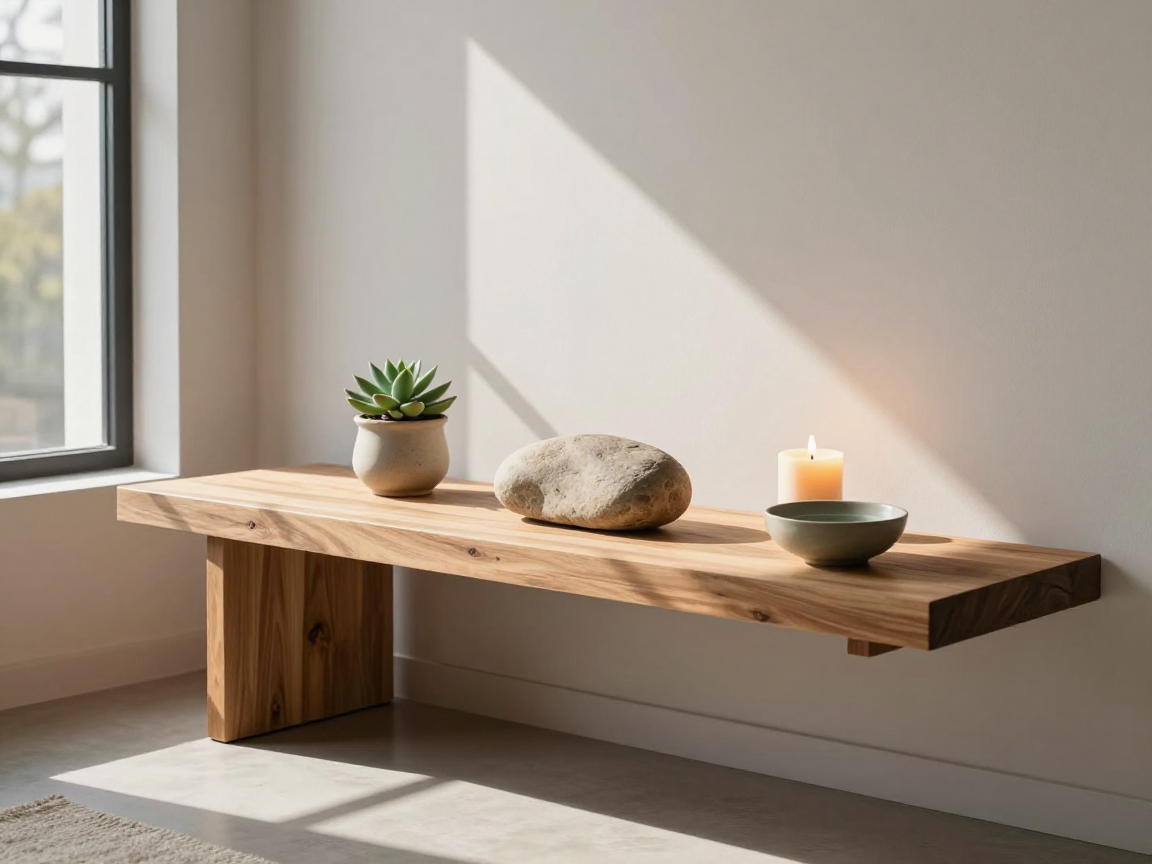
In a world that demands our attention be fragmented across digital screens, work obligations, and social pressures, the concept of a sacred space has never felt more necessary. We often move through our homes as if they are merely staging areas for our external lives—places to eat, sleep, and store our belongings—rather than environments that nourish our internal state. Creating an altar is the intentional act of reclaiming a small physical territory for your inner self. It is a visual and tactile reminder that your values, your peace, and your growth deserve a dedicated place in your physical reality.
At its most fundamental level, an altar is simply a focal point. It is a collection of objects arranged with purpose to represent a specific intention or a connection to something larger than the self. While the word often carries religious connotations, the modern practice of creating an altar is accessible to everyone, regardless of their spiritual background. Whether you are looking to cultivate more mindfulness, process grief, or simply find a place to pause before a long day, an altar acts as a psychological anchor. It signals to your brain that when you stand or sit before this space, the noise of the outside world is allowed to fade away. It is the physical manifestation of your internal commitment to yourself.
The Psychology of the Sacred Focal Point
Why does creating an altar feel so different from simply placing a few decorative items on a shelf? The difference lies in the psychology of environmental cues. Our brains are highly sensitive to the contexts in which we exist. This is known as situational specificity. If you work at your kitchen table, your brain associates that space with productivity and perhaps a touch of stress. If you scroll through your phone in bed, your brain may struggle to associate the bedroom with rest. By creating an altar, you are establishing a new environmental cue specifically designed for reflection, stillness, and intentionality.
This practice utilizes what psychologists call environmental anchors. When you consistently return to your altar to meditate, breathe, or set an intention, the very sight of the objects you have chosen begins to trigger a neuro-associative response. Over time, you do not have to work as hard to reach a state of calm because the space does the heavy lifting for you. It becomes a mirror of your internal landscape—a place where you can visually see the things that matter most to you when life feels cluttered and confusing. This is not just about aesthetics; it is about building a sanctuary for your nervous system.
Furthermore, the act of curation is a powerful psychological tool. When you decide which items earn a place on your altar, you are performing a value-sorting exercise. You are asking yourself: "What represents my peace? What represents my strength?" By externalizing these abstract concepts into physical objects, you make them more tangible and easier to access during times of stress. The altar becomes a visual shorthand for your highest self.
Choosing the Right Location for Your Practice
When you begin the process of creating an altar, the first decision is where it will live. This choice is as much about logistics as it is about energy and intent. You want a location that feels protected but accessible. It should be a place where you can spend five to ten minutes without being interrupted by household traffic or the pinging of a nearby computer.
Consider the following factors when selecting your space:
- Visibility versus Privacy: Do you want your altar to be a central part of your living area where you see it constantly, or do you prefer a tucked-away corner of a bedroom where it remains a private sanctuary? Some prefer the constant reminder, while others need the sacredness of a hidden nook.
- Natural Light: Many people find that placing an altar near a window helps them feel connected to the passing of time and the natural cycles of the day. The changing light can serve as a natural timer for your morning or evening rituals.
- Stability: Ensure the surface is sturdy. A small side table, a floating shelf, a mantelpiece, or even the top of a dresser can work perfectly. Avoid high-traffic areas where items might be knocked over or where you will feel self-conscious.
- Height: Decide if you will be sitting on the floor, in a chair, or standing. Your line of sight should naturally fall upon the central items of the altar without straining your neck. The physical posture you take influences your mental state.
The Four Pillars of an Intentional Altar
While there are no strict rules for what belongs on your sacred space, creating an altar that feels balanced often involves a mix of different elements. You can think of these as the four pillars that support your intention. By diversifying the types of objects you include, you engage more of your senses and create a richer, more immersive experience.
1. The Anchor
This is usually a central object that represents your primary goal or current state of being. If you are seeking peace, it might be a specific statue, a smooth river stone, or a symbol of a deity or mentor you admire. If you are seeking creativity, it might be a blank journal, a special pen, or a piece of art that inspires you. The anchor provides a place for your eyes to rest when your mind starts to wander.
2. The Living Element
Incorporating something from the natural world reminds you of the cycles of growth, decay, and impermanence. This could be a small potted plant, a vase of fresh flowers, or a bowl of water. Because these items require care—watering the plant, changing the flowers—they keep your relationship with the altar active. You cannot simply build an altar and forget it; the living element requires you to return and tend to the space.
3. The Sensory Bridge
Items that engage your sense of smell or sound help shift your state of consciousness. Incense, essential oils, or a small bell can be used to mark the beginning and end of your time at the altar. These sensory cues act as a "gate" that you pass through, moving from the mundane tasks of daily life into a dedicated state of reflection.
4. The Personal Artifact
This is an item that has deep personal meaning but might look like an ordinary object to anyone else. A photograph of a loved one, a handwritten note from a mentor, a shell from a significant trip, or even a piece of jewelry can help ground the space in your own story. These artifacts ensure the altar doesn't look like a catalog display, but like a reflection of your soul.
A Step-by-Step Guide to Creating an Altar
Creating an altar is a ritual in itself. It should not be rushed or treated like a chore on a to-do list. Instead, approach it as a creative meditation. Follow these steps to build a space that truly resonates with your current needs.
Step 1: Clear the Physical and Energetic Space
Before placing any items, clean the surface thoroughly. Dusting and wiping down the area is a physical act of preparation. Some people also choose to clear the air using a room spray, a sound bowl, or by simply opening a window to let fresh air circulate. The goal is to create a blank canvas for your intention. As you clean, mentally release any lingering stress or distractions.
Step 2: Define Your Current Intention
Ask yourself: "What do I need most right now?" Your altar does not have to be a permanent monument; it can and should evolve as you do. You might be creating an altar for a specific season of life, such as a period of transition, a time of healing, or a push for a new professional goal. State this intention clearly in your mind or write it on a small piece of paper to be placed at the base of your anchor object.
Step 3: Select and Arrange Your Objects
Start with your anchor item in the center. From there, build outward. Symmetry can create a sense of order and calm, while an asymmetrical arrangement can feel more organic and fluid. Pay attention to how the colors and textures interact. There is no right way to do this—listen to your intuition. If an object feels heavy, distracting, or out of place, set it aside without judgment. The arrangement should feel like it has "breathing room."
Step 4: Activate the Space
Once the objects are in place, spend a few moments sitting with your new altar. Light a candle or a piece of incense if that feels appropriate. Simply breathe and acknowledge that this space is now set apart from the rest of your home. You have successfully transitioned the area from a mere surface to a sacred focal point. This first moment of presence is what truly "turns on" the altar.
Incorporating the Five Elements for Balance
Many traditions suggest that creating an altar is most effective when it represents the balance of the natural world. Including the five elements is a simple framework for ensuring your space feels complete and grounded, reflecting the macrocosm of the universe in your microcosm of a home.
- Earth: Represented by stones, crystals, salt, or soil. This provides grounding, weight, and stability. It is the foundation of your practice.
- Air: Represented by incense smoke, feathers, or the scent of a candle. This represents intellect, communication, and the movement of new ideas. It is the breath of the altar.
- Fire: Represented by a candle flame or the colors red, gold, and orange. This symbolizes transformation, passion, and the light of consciousness. It is the energy that drives change.
- Water: Represented by a small bowl of fresh water or sea shells. This represents the emotions, intuition, and the flow of life. It reminds us to be fluid and adaptable.
- Spirit (or Space): Represented by the empty space between the objects or a central item that feels particularly sacred or ethereal. This represents the connection to the infinite and the void from which all things arise.
Common Mistakes to Avoid
In the pursuit of creating an altar, it is easy to fall into the trap of making it an aesthetic project rather than a functional one. Here are a few things to keep in mind so your space remains a source of support rather than another source of clutter.
- Overcrowding: Less is often more. If you have too many items, your eyes won't know where to rest. A cluttered altar can lead to a cluttered mind. Keep only what feels essential to your current intention. If you have many meaningful items, consider rotating them seasonally.
- Neglect: An altar is a living thing. If dust begins to pile up or plants start to wilt, the energy of the space shifts from nourishing to draining. Make cleaning your altar a part of your weekly routine—this act of maintenance is a ritual in itself.
- Strict Adherence to Others' Rules: You may see beautiful altars on social media that follow specific religious or cultural traditions. While these can be inspiring, your altar should reflect your own truth. Do not feel pressured to include items that do not have personal meaning to you.
- Stagnation: We change, and our altars should change with us. Do not be afraid to swap out items as your needs shift. If you have reached a goal or moved through a difficult period, acknowledge that by refreshing the space. A static altar can become invisible to the mind over time.
Living with Your Altar: Daily Practice
The true power of creating an altar is not in the objects themselves, but in your interaction with them. Your altar is a tool for transformation, but like any tool, it must be used to be effective. You do not need to perform elaborate ceremonies to benefit from your sacred space.
Consider a simple morning ritual: spend sixty seconds standing or sitting before your altar. Light a candle, take three deep breaths, and remind yourself of your intention for the day. This creates a moment of "Sacred Neutrality" before the demands of the world rush in. In the evening, you might return to the altar to blow out the candle and mentally release the stresses of the day, symbolically "depositing" your worries into the space so you don't carry them to bed.
Ultimately, creating an altar is an act of self-love. It is a way of saying to yourself: "My inner peace is worth this space." It is a way of anchoring the invisible parts of your life—your dreams, your healing, your gratitude—into the visible world. As you build and tend to your altar, you are simultaneously building and tending to your own spirit. Let the space grow with you, let it change with the seasons, and let it always be a place where you can return to your center.