Beyond Willpower: How Theta State Reprogramming Rewires Your Hidden Beliefs
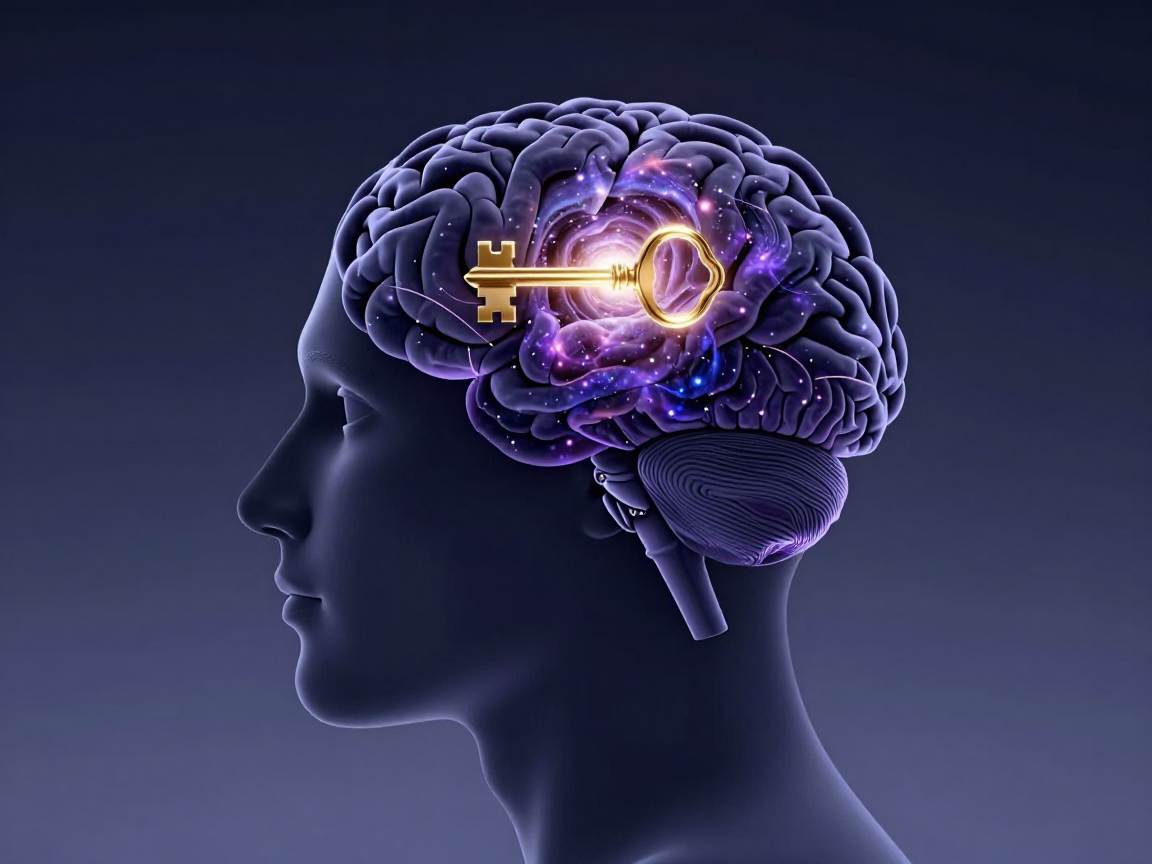
Most of us have experienced the frustration of setting a firm intention for change only to find ourselves reverting to old patterns within days. We might consciously decide to be more confident, yet in the moment of a big presentation, the familiar wave of anxiety takes over. We might resolve to heal our relationship with money, yet we find ourselves making the same scarcity-based decisions month after month. This disconnect exists because our conscious desires represent only a tiny fraction of our mental processing power. The real engine of our behavior is the subconscious mind, a vast reservoir of learned habits, memories, and beliefs that operate beneath the surface of our awareness.
To change these deep-seated patterns, we must go beyond mere willpower and access the brain's operating system. This is where theta state reprogramming becomes an essential tool. By shifting our brainwave frequency into the theta range, we can bypass the critical analytical filter of the conscious mind and speak directly to the subconscious. This process allows us to replace outdated scripts with new, empowering narratives that align with our current goals and aspirations. It is the difference between trying to fix a software glitch by hitting the monitor versus actually rewiring the code.
The Neurobiology of Theta: Accessing the Mind’s Master Key
Our brains are constantly emitting electrical impulses that can be measured as frequencies. These brainwaves are categorized into five main states: Gamma, Beta, Alpha, Theta, and Delta. Most of our waking life is spent in Beta, a high-frequency state associated with logic, problem-solving, and external focus. While Beta is necessary for navigating the world, it is also the state where our inner critic is most active. In Beta, we are constantly filtering information based on our existing beliefs, which makes it very difficult to "install" new ideas that conflict with our established self-image.
Theta state reprogramming focuses on the frequency range of 4 to 8 Hz. This is often called the "twilight state"—the mental space we inhabit just before falling asleep or immediately upon waking. It is a space of deep relaxation, heightened creativity, and intense suggestibility. In this state, the analytical mind steps aside, and the door to the subconscious swings open. Interestingly, children between the ages of birth and seven years old spend the majority of their waking time in a theta state. This is why they are like sponges, absorbing every piece of information, every cultural norm, and every emotional reaction from their environment without question. This period is when our primary "life script" is established.
Theta state reprogramming essentially allows us to return to that state of high neuroplasticity as adults. It gives us the chance to "re-parent" our subconscious mind and overwrite the limitations we picked up when we didn't have the cognitive maturity to reject them. By consciously entering theta, we reclaim the ability to shape our internal landscape.
The "Critical Factor" and Why Logic Fails
Many people attempt to use positive affirmations to change their lives, only to find they have little to no effect. You might stand in front of a mirror and say, "I am worthy and abundant," but if your subconscious mind holds a core belief that you are fundamentally "not enough," your conscious mind will immediately flag the affirmation as a lie. This rejection happens because of the "Critical Factor"—a psychological barrier that acts as a gatekeeper between the conscious and subconscious mind.
The Critical Factor’s job is to ensure that any new information entering the mind matches the information already stored there. If you believe you are bad with money, and you try to tell yourself you are a financial genius, the Critical Factor blocks that thought to maintain internal consistency. It functions like a biological firewall. This is why theta state reprogramming is so much more effective than conscious effort alone. When you are in a theta state, that firewall is temporarily deactivated. When you state an intention or visualize a new reality while your brain is vibrating at 4 to 8 Hz, the subconscious accepts it as truth because the gatekeeper is asleep. You aren't arguing with yourself; you are planting seeds in fertile, tilled soil rather than throwing them onto a paved concrete road.
The 5-Phase Protocol for Theta State Reprogramming
To engage in effective theta state reprogramming, you need a structured approach. It is not enough to simply be relaxed; you must be intentional about the information you are introducing. Here is a practical framework to help you navigate the process safely and effectively:
- Phase 1: Identifying the Target Narrative. Before you even close your eyes, you must be clear on what you want to change. Identify a specific limiting belief—such as "I always fail when things get hard"—and draft its opposite: "I have the resilience to see every challenge through to success." Be specific. The subconscious responds better to clear, concrete directives than to vague concepts like "happiness."
- Phase 2: Induced Relaxation. Use a reliable method to drop your brainwaves into the theta range. This could be through deep diaphragmatic breathing, progressive muscle relaxation, or the use of binaural beats. The goal is to reach that heavy, dreamy state where the body feels asleep but the mind remains a silent observer.
- Phase 3: The Imprinting Process. Once you are in the theta state, begin your "reprogramming." This is best done through visualization rather than just internal monologue. See yourself acting, feeling, and thinking in alignment with your new belief. If your goal is confidence, visualize a specific upcoming event where you are speaking clearly and feeling calm. The subconscious mind speaks the language of images and sensations.
- Phase 4: Emotional Bridging. Information without emotion is rarely retained by the subconscious. As you visualize, try to actually feel the pride, relief, or joy associated with your new narrative. This "emotional charge" acts as the neurochemical glue that binds the new program to your neural pathways. You want your brain to associate the new thought with a high-vibration feeling.
- Phase 5: The Gentle Exit. Do not jar yourself out of the state with a loud alarm or sudden movement. Allow yourself to either drift off to sleep (if practicing at night) or slowly bring your awareness back to your breath and your physical surroundings. This ensures the "theta bridge" remains intact as you transition back into the Beta state of daily life.
Essential Tools and Techniques for Reaching Theta
While some people can reach theta through years of meditation practice, modern technology and specific physiological triggers can help beginners access this state much faster. If you are struggling to stay "in the zone" without falling completely asleep, consider these tools:
- Binaural Beats: These are auditory illusions created by playing two slightly different frequencies in each ear. The brain "reconciles" the difference by producing a third frequency that matches the theta range. This is one of the most effective shortcuts for theta state reprogramming because it uses frequency following response to guide the brain.
- The Hypnagogic Window: The most natural way to access theta is to take advantage of the moments just before you fall asleep. This is called the hypnagogic state. By keeping your intention in mind as you drift off, you are effectively "feeding" your subconscious right as the gates open. Many successful people use this "sleep-learning" method to solve problems overnight.
- Guided Imagery: Using a recorded voice to lead you through a relaxation sequence can prevent your mind from wandering back into Beta-level worrying or analytical thinking. It provides a "track" for your mind to follow so you don't get lost in random thoughts.
- Deep Breathwork: Techniques like the "4-7-8" breathing method or box breathing can stimulate the vagus nerve, signaling the nervous system to shift from a state of "fight or flight" into the deep "rest and digest" mode necessary for theta waves to emerge.
Navigating the Backlash: Why Your Mind Fights Change
As you begin theta state reprogramming, you might encounter what psychologists call "homeostatic alarm." Your subconscious mind is designed to keep you safe, and to the subconscious, "safe" means "consistent." Even if a habit is self-sabotaging, it is familiar, and therefore safe. When you try to change it, your mind might kick up resistance in the form of sudden boredom, irritability, or even physical restlessness during your sessions.
If this happens, it is actually a sign that the reprogramming is working. You are hitting a nerve and challenging the status quo of your ego. The key is to remain consistent and not interpret this resistance as a sign to stop. Neuroplasticity—the brain's ability to physically change its structure—requires repetition. You are essentially building a new "neural highway," and at first, the old highway will still look more appealing because it is well-paved and familiar. Over time, as you continue your theta practices, the old highway will wither away from disuse, and the new one will become your default "autopilot."
A 21-Day Blueprint for Subconscious Integration
One common mistake in theta state reprogramming is treating it like a one-time event. While a single deep session can produce powerful insights, true structural change in the brain requires a period of sustained effort. Most experts suggest practicing your chosen technique daily for at least 21 to 30 days. This duration allows the brain to solidify the new synaptic connections.
- Week 1: Deconstruction. Focus on identifying and neutralizing the old belief. Spend your theta sessions observing the old pattern without judgment, then gently introducing the new alternative.
- Week 2: Emotional Saturation. Focus heavily on the feeling of the new reality. Make the visualizations as vivid and sensory-rich as possible.
- Week 3: External Alignment. Start looking for "micro-wins" in your daily life that prove the reprogramming is taking hold. Acknowledge these moments consciously to reinforce the subconscious work.
Consider keeping a journal during this process. You may notice subtle shifts before you see major life changes. Perhaps you react more calmly to a stressful email, or you find yourself making a healthier choice without having to debate it. These are signs that the "code" has been updated.
Conclusion
Theta state reprogramming is not about becoming someone else; it is about stripping away the layers of conditioning that have kept you from being your most authentic self. It is a process of reclamation. By taking control of the frequencies of your own brain, you transition from being a passive recipient of your past programming to being the active architect of your future.
As you master the ability to dip into the theta state, you will find that the boundary between your conscious intentions and your subconscious actions begins to dissolve. Life starts to feel less like an uphill battle against your own nature and more like a fluid, creative expression. The tools are within your own biology; all that is required is the willingness to slow down, go inward, and begin the work of rewriting the code. Your mind is the most powerful tool in existence—it’s time you learned how to access the controls.