Why Your Brain Changes When You Sit Still: A Deep Dive into the Science of Meditation
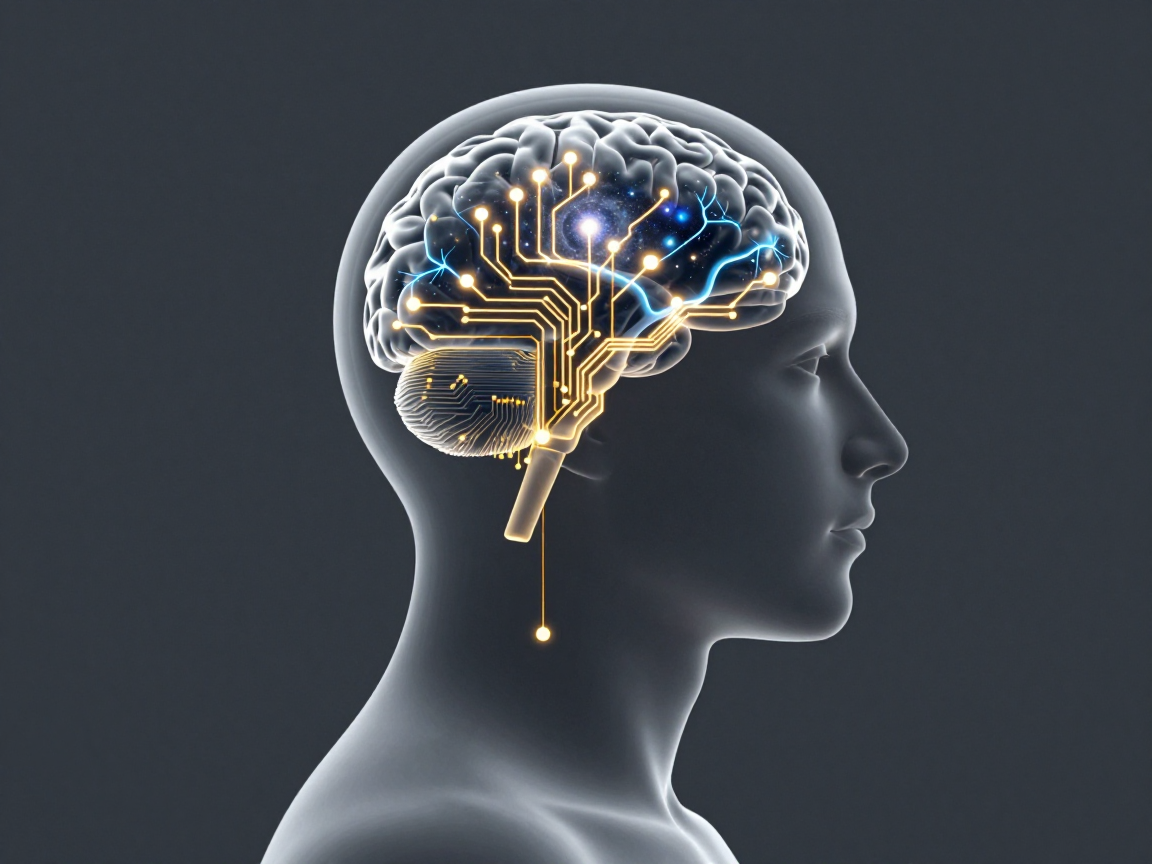
For decades, meditation was tucked away in the corners of monasteries and ashrams, often dismissed by Western medicine as a subjective spiritual pursuit. However, the last twenty years have seen a radical shift. As brain - imaging technology has evolved, researchers at institutions like Harvard, Stanford, and MIT have turned their lenses toward the internal world of the practitioner. What they found was not just a feeling of relaxation, but a profound structural and functional reorganization of the human nervous system.
The science of meditation reveals that the brain is not a static organ. It is a dynamic, plastic landscape that reshapes itself based on our repeated experiences. When we sit in silence and observe our thoughts without judgment, we are not just wasting time; we are engaging in a form of mental weightlifting that strengthens specific neural circuits while allowing others to atrophy. This process, known as neuroplasticity, provides the foundation for why meditation works to reduce anxiety, sharpen focus, and even improve physical health.
The Structural Shift: Neuroplasticity in Action
One of the most significant findings in the science of meditation is that regular practice can lead to physical changes in the brain's gray matter. Gray matter is the tissue containing the cell bodies of neurons - the processing power of the brain. In a landmark study led by Sara Lazar at Harvard University, researchers found that just eight weeks of mindfulness meditation increased the density of gray matter in the hippocampus.
The hippocampus is a seahorse - shaped region critical for learning and memory. It is also one of the first areas to deteriorate under chronic stress or during the onset of Alzheimer's disease. By strengthening this region, meditation acts as a protective buffer. Conversely, the same study found a decrease in gray matter density in the amygdala, the brain's fear center. This suggests that the science of meditation isn't just about adding new skills; it is about physically shrinking the parts of the brain responsible for our 'fight or flight' response.
This structural remodeling explains why long - term meditators often report a diminished sense of reactivity. They aren't just 'deciding' to be calm; their brains have physically changed to make calmness the default setting. The pathways that once triggered a frantic response to a stressful email or a rude comment have been pruned, while the pathways for emotional regulation have been reinforced.
The Chemical Blueprint: Hormones and Neurotransmitters
While structural changes happen over weeks and months, the chemical effects of meditation can be observed almost immediately. The science of meditation highlights a significant shift in the body's hormonal profile. The most notable change is the reduction of cortisol, the body's primary stress hormone. When we perceive a threat, the adrenal glands flood the system with cortisol to prepare for action. In the modern world, where 'threats' are often psychological rather than physical, this cortisol stays elevated, leading to inflammation and burnout.
Meditation signals the parasympathetic nervous system - the 'rest and digest' branch of our biology - to take the lead. This downregulates the production of cortisol and adrenaline while boosting the production of 'feel - good' chemicals.
Key neurochemicals impacted by meditation include:
- GABA: Often called the brain's natural tranquilizer, GABA inhibits overactive neural firing. Low levels are linked to anxiety and insomnia. Meditation has been shown to boost GABA levels significantly.
- Serotonin: This neurotransmitter regulates mood, sleep, and appetite. Higher serotonin levels are associated with happiness and emotional stability.
- Melatonin: Regular meditation can increase the production of melatonin, the hormone responsible for regulating our circadian rhythms and ensuring deep, restorative sleep.
- Dopamine: Unlike the 'cheap' dopamine spikes from social media, meditation encourages a steady release of dopamine associated with focus and internal reward.
Quieting the Noise: The Default Mode Network
Have you ever noticed that even when you aren't doing anything, your mind is busy? It wanders to the past, worries about the future, and critiques your performance. In neuroscience, this is known as the Default Mode Network (DMN). It is the 'me - center' of the brain, and an overactive DMN is strongly correlated with rumination and clinical depression.
The science of meditation shows that mindfulness practice effectively 'turns down the volume' on the DMN. When you focus on a single point of attention - such as the breath - you are actively deactivating the DMN and activating the Task Positive Network (TPN). These two systems work like a seesaw; when one is up, the other is down.
By repeatedly shifting from the DMN to the TPN, meditators train their brains to live in the present moment. This shift is not merely a philosophical preference; it is a neurological necessity for mental health. When we quiet the DMN, we reduce the self - referential 'noise' that often leads to unhappiness. Science suggests that a wandering mind is an unhappy mind, and meditation is the primary tool for tethering that mind back to the here and now.
Beyond the Brain: Epigenetics and Cellular Health
Perhaps the most startling discoveries in the science of meditation occur at the cellular level. For a long time, we believed our genetic code was a fixed blueprint. We now know that while our DNA doesn't change, the 'expression' of our genes can be influenced by our environment and lifestyle. This field is called epigenetics.
Research has shown that meditation can actually suppress the expression of genes involved in inflammation. Chronic inflammation is the root cause of many modern ailments, including heart disease, diabetes, and certain cancers. By meditating, we are essentially turning off the 'pro - inflammatory' switches in our biology.
Furthermore, meditation has been linked to the health of our telomeres. Telomeres are the protective caps at the end of our chromosomes, often compared to the plastic tips on shoelaces. As we age, these caps shorten. When they get too short, the cell can no longer divide and eventually dies. Stress is a primary accelerator of telomere shortening. However, studies at the University of California, San Francisco, found that meditation can increase the activity of telomerase, an enzyme that repairs and lengthens these caps. This suggests that the science of meditation might actually be the science of longevity.
A Data - Driven Framework for Your Practice
If you want to leverage the science of meditation for your own health, consistency is more important than duration. You do not need to spend hours on a cushion to see results. Follow this evidence - based framework to begin rewiring your nervous system:
- The Minimum Effective Dose: Research suggests that just 12 to 15 minutes of daily practice is enough to trigger measurable neuroplastic changes over an eight - week period.
- Anchor Your Attention: Choose a physiological anchor, like the sensation of air entering your nostrils or the rise and fall of your chest. This gives the Task Positive Network a clear target.
- The 'Bicep Curl' Moment: The most important part of meditation is not staying focused; it is the moment you realize your mind has wandered and you gently bring it back. This is the neurological 'bicep curl' that strengthens your attention circuits.
- Biological Consistency: Try to meditate at the same time each day. This utilizes the brain's circadian rhythms to make the habit more 'sticky' and easier to maintain.
- Track Your HRV: If you are a fan of data, monitor your Heart Rate Variability (HRV). High HRV is a sign of a resilient nervous system. Most regular meditators see a steady increase in their HRV over time.
Common Myths Debunked by Science
Despite the growing body of evidence, many misconceptions about the science of meditation persist. Understanding the reality can help lower the barrier to entry for beginners.
- Myth: You have to clear your mind. Reality: Science shows that the goal is not to stop thoughts, but to change your relationship with them. Even experienced monks have thoughts; they just don't get 'hooked' by them.
- Myth: It takes years to see results. Reality: Functional MRI scans show changes in brain activity after just a few days of practice, and structural changes are visible within two months.
- Myth: It is just a placebo effect. Reality: Controlled studies show that meditation outperforms placebos in reducing pain and improving focus, often rivaling the efficacy of pharmacological interventions for anxiety.
The Future of Mind - Body Medicine
As we look forward, the science of meditation is moving into even more specific territories. Researchers are currently investigating how different styles of meditation affect different brain regions. For example, 'Metta' or Loving - Kindness meditation appears to target the insula, the area of the brain associated with empathy and compassion, more effectively than simple breath awareness.
This 'precision meditation' approach could one day allow clinicians to prescribe specific techniques for specific conditions - whether it is social anxiety, chronic pain, or cognitive decline. We are beginning to see meditation not as a vague wellness trend, but as a rigorous biological intervention.
Ultimately, the science of meditation confirms what ancient practitioners knew all along: we have a profound ability to influence our own biology. By understanding the mechanics of how the brain and body respond to silence and focus, we can move from being passive victims of our stress responses to active architects of our own mental and physical well - being. The laboratory has validated the cushion, proving that the most powerful technology for healing might just be the one we were born with.