Belief as Medicine: Why Placebo Effect Psychology is More Than Just \"Mind Over Matter\"
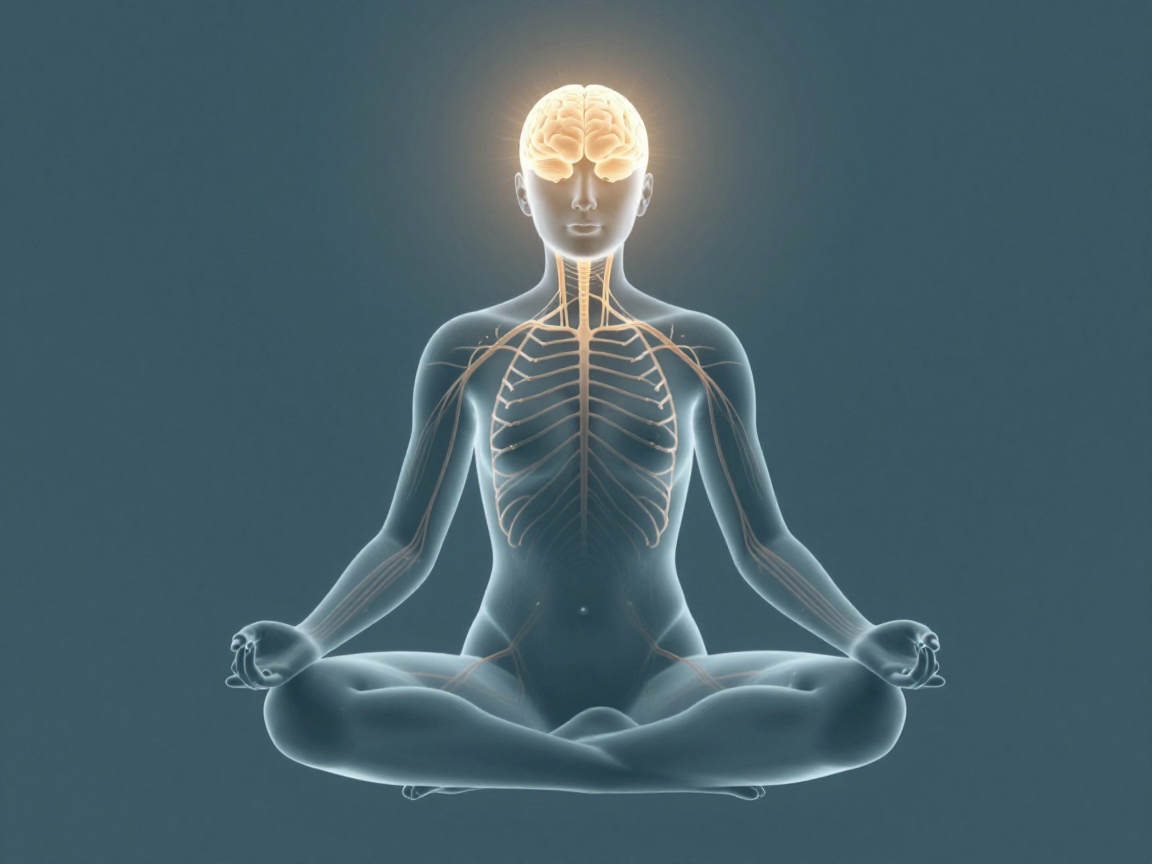
For decades, the word placebo was often used as a dismissive shrug in the medical community. If a patient felt better after taking a sugar pill, it was assumed that their symptoms were never real to begin with or that they were simply imagining their recovery. We viewed it as a trick of the mind - a psychological quirk that researchers had to control for in clinical trials to get to the real science. However, recent breakthroughs in neuroscience have completely flipped this narrative on its head. We now understand that placebo effect psychology represents one of the most sophisticated functions of the human brain.
When we talk about the placebo effect, we are not talking about a lack of medicine. We are talking about the body's internal pharmacy being activated by the power of belief, ritual, and expectation. It is a genuine neurobiological event where the brain releases a flood of endorphins, dopamine, and other healing chemicals in response to the perception of treatment. This shift from viewing placebo as a nuisance to viewing it as a fundamental healing mechanism is changing how we approach chronic pain, depression, and overall wellness.
The Neurobiological Reality of Expectation
One of the most common misconceptions about placebo effect psychology is that the results are only subjective. Critics often suggest that people just say they feel better because they want to please their doctor. However, fMRI scans and PET imaging tell a much more complex story. When a person expects a treatment to work, their brain's descending pain modulatory system is activated. This isn't just a change in mood; it is a physical dampening of pain signals before they even reach the conscious mind.
In studies involving pain management, researchers have found that the placebo response mimics the action of opioid medications. When patients are given a placebo but told it is a powerful painkiller, their brains release endogenous opioids - the body's natural version of morphine. Interestingly, if researchers secretly administer a drug that blocks opioids (like naloxone), the placebo effect disappears. This proves that the psychology of expectation triggers a specific, measurable chemical pathway in the nervous system. The brain is quite literally manufacturing the medicine it expects to receive.
The Three Pillars of Placebo Effect Psychology
To understand why some people respond more strongly than others, we have to look at the three primary drivers that fuel the placebo response. These are not just abstract ideas; they are the gears that turn expectation into physical reality.
1. Expectancy Theory
Expectancy is the conscious belief that a specific outcome will occur. If you have high confidence in a surgeon or a new supplement, your brain prepares the body for recovery. This is why the way a doctor delivers news is so critical. A physician who says, "This treatment has helped many people with your exact condition" builds a stronger expectancy than one who says, "We can try this, but it probably won't do much".
2. Classical Conditioning
Much of placebo effect psychology happens below the level of conscious thought through classical conditioning. If you have taken aspirin for a headache a hundred times in your life, your body has learned to associate the act of swallowing a pill with the sensation of pain relief. Your nervous system begins the healing process as soon as the pill touches your tongue, long before the chemicals enter your bloodstream. The environment of a clinic, the smell of antiseptic, and the sight of a white coat act as triggers for the body to start its own internal recovery protocols.
3. The Ritual of Care
The act of being cared for is a powerful biological signal. Human beings are social creatures, and throughout our evolution, being part of a group and receiving attention from a "healer" was a signal of safety. When we feel safe, our stress hormones (like cortisol) drop, and our immune system functions more effectively. The "bedside manner" of a practitioner is not just an optional extra; it is a fundamental component of the healing process that leverages placebo effect psychology to improve outcomes.
The "Open-Label" Mystery: Healing Without Deception
For a long time, it was believed that for the placebo effect to work, the patient had to be deceived. You had to believe you were getting the real drug for the magic to happen. However, recent studies on "open-label" placebos have challenged this. In these trials, patients are told explicitly: "These pills have no active ingredients, but studies show that the act of taking them can trigger the body's self-healing mechanisms".
Remarkably, patients in these studies still show significant improvement in conditions like irritable bowel syndrome (IBS), chronic back pain, and migraines. This suggests that the ritual of taking a pill and the focused intention of seeking health are enough to stimulate the brain. It moves the conversation away from "deception" and toward "participation". It implies that we can consciously engage with placebo effect psychology to bolster our own health journeys without needing to be lied to.
A Framework for Harnessing the Mind-Body Connection
Understanding the mechanics of the placebo effect allows us to become active participants in our own wellbeing. While we should never replace necessary medical intervention with belief alone, we can use these psychological principles to amplify the treatments we are already receiving. Here is a framework for utilizing these insights in daily life:
- Audit Your Internal Dialogue: Pay attention to how you speak about your health. Constantly telling yourself "nothing ever works" or "I'm always in pain" creates a negative expectancy (the nocebo effect). Try to shift toward a neutral or cautiously optimistic narrative.
- Enhance the Ritual: If you take vitamins or medication, don't do it mindlessly. Create a small ritual around it. Take a deep breath, visualize the medicine working, and acknowledge that you are taking a step toward health.
- Choose Your Environment Wisely: Seek out healthcare providers who make you feel seen and heard. The psychological comfort provided by a compassionate practitioner is a biological asset that improves your body's response to treatment.
- Focus on Small Wins: Placebo effect psychology thrives on evidence. By acknowledging small improvements in your energy or pain levels, you reinforce the conditioning that recovery is happening, which in turn triggers further neurochemical support.
The Dark Side: Understanding the Nocebo Effect
It is impossible to discuss placebo effect psychology without mentioning its twin: the nocebo effect. While a placebo is a positive response to a neutral stimulus, a nocebo is a negative response. If you believe a treatment will have terrible side effects, or if a doctor tells you that you will likely never walk again, your brain can actually produce those negative outcomes.
In clinical trials, patients given a placebo who are warned about potential side effects often report experiencing those exact side effects. Their brains, primed for discomfort, amplify minor signals into significant pain or nausea. This highlights the ethical responsibility of both patients and doctors to balance being informed with the need to maintain a constructive and hopeful psychological state. The mind is a two-way street; it can facilitate healing, but it can also manufacture distress based on the stories we tell ourselves.
The Evolution of the Healer-Patient Relationship
As we delve deeper into placebo effect psychology, it becomes clear that the "soft" side of medicine - empathy, listening, and reassurance - is actually quite "hard" science. When a doctor listens to a patient's story, it reduces the patient's anxiety. Lower anxiety means lower sympathetic nervous system arousal, which in turn reduces inflammation and allows the body's repair mechanisms to take over.
This doesn't mean we should stop using modern medicine and rely solely on the mind. Instead, it means we should integrate the two. The future of healthcare lies in a model where the power of modern pharmacology is paired with an intentional use of the placebo response. We can design hospitals that feel less clinical and more healing, train doctors to communicate in ways that foster hope, and empower patients to understand that their expectations are a vital part of their treatment plan.
Common Misconceptions About the Placebo Response
Despite the wealth of data, several myths about placebo effect psychology persist. Addressing these is crucial for anyone looking to understand the true potential of the mind-body connection:
- "It's only for minor issues": While a placebo won't shrink a tumor or knit a broken bone, it can significantly alter the management of chronic conditions, immune responses, and hormonal balances.
- "Only gullible people respond": Research shows that the placebo response is a universal human trait related to how our brains process reward and threat. It has nothing to do with intelligence or being easily fooled.
- "If a placebo works, the pain wasn't real": This is perhaps the most damaging myth. If a placebo reduces pain, it means the brain successfully engaged its internal pain-relief system to address a very real physical sensation.
The Future of Self-Directed Healing
The most exciting aspect of placebo effect psychology is the realization that we have more agency than we previously thought. We are not just passive recipients of biology; we are active co-creators of our physiological state. By understanding the role of expectation, ritual, and conditioning, we can begin to work with our brains rather than against them.
As science continues to map the pathways between the prefrontal cortex and the rest of the body, the line between "psychological" and "physical" continues to blur. We are discovering that the mind is not an island, but a command center that is constantly sending signals to every cell in our body. Embracing the reality of the placebo effect is not about embracing pseudoscience - it is about embracing the most advanced healing technology we possess: our own nervous system.