The Science of Deep Stillness: How Yoga Nidra Rewires Your Brain for High-Performance Recovery
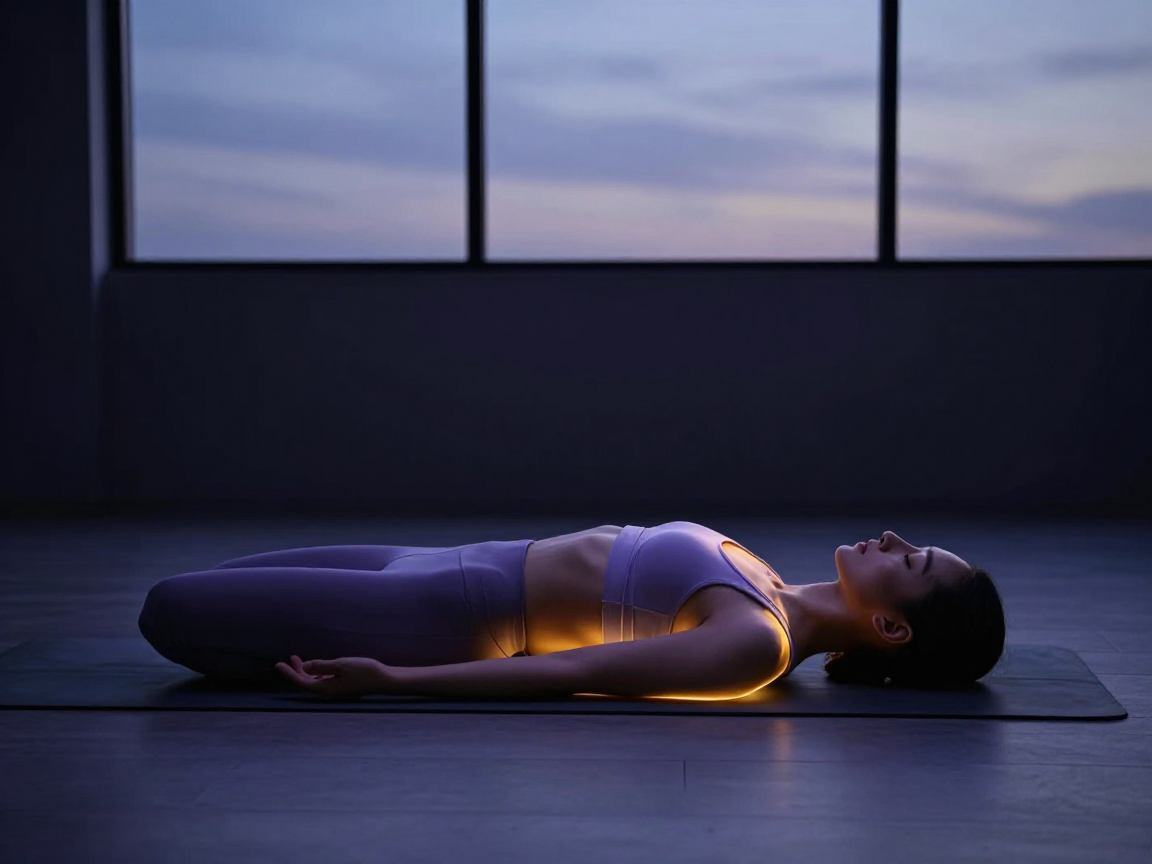
We live in an era of chronic overstimulation. Most of us wake up to the jarring buzz of an alarm, immediately flood our retinas with blue light from a smartphone, and spend the next sixteen hours oscillating between caffeine-fueled productivity and low-level digital anxiety. Even when we sleep, our minds often remain tethered to the stresses of the day, leaving us feeling brittle, reactive, and unrefreshed. It is no wonder that a growing number of people are turning to ancient practices to find a sense of equilibrium. Among these, one practice stands out for its unique ability to bridge the gap between ancient wisdom and modern clinical data: Yoga Nidra.
Yoga Nidra, often referred to as yogic sleep, is far more than just a guided relaxation session. It is a systematic method of inducing complete physical, mental, and emotional relaxation while maintaining consciousness. While it has been practiced for centuries, the emergence of yoga nidra science has recently allowed us to look under the hood of the human brain to see exactly what happens when we enter this liminal state. By tracking brainwaves, heart rate variability, and cortisol levels, researchers are beginning to understand why this practice feels so much more restorative than a standard nap or even a full night of restless sleep.
The Biological Bridge: How Yoga Nidra Science Explains the State of Conscious Sleep
The primary differentiator of Yoga Nidra is that it allows the practitioner to remain awake while the body enters a state of deep sleep. In the world of yoga nidra science, this is often described as the hypnagogic state—the fragile threshold between being awake and falling asleep. This specific zone is biologically significant because it is where the parasympathetic nervous system (PNS) takes over from the sympathetic nervous system (SNS).
The sympathetic nervous system is our 'fight or flight' response. In modern life, this system is frequently stuck in the 'on' position, even when there is no immediate physical threat. This leads to chronically elevated levels of cortisol and adrenaline, which can cause systemic inflammation, digestive issues, and cognitive decline. Yoga nidra science demonstrates that the practice effectively flips the switch, activating the vagus nerve and stimulating the parasympathetic response. This shift tells the body it is safe to rest, repair, and digest, which is essential for cellular regeneration and immune function. By consciously hovering in this state, we give the body a rare opportunity to perform internal maintenance that is usually interrupted by the stresses of waking life.
The Brainwave Journey: Moving from Beta to Delta
To truly appreciate the power of this practice, we must look at electroencephalogram (EEG) data. Yoga nidra science has mapped the brain’s transition through four distinct types of brainwaves as the practice progresses, creating a unique neurological signature that differs from both regular meditation and standard sleep.
The Entry Point: Beta and Alpha Waves
When you first lie down, your brain is likely in Beta (12-30 Hz). This is the state of active, alert, and often stressful thinking. As the practice begins with a body scan or breath awareness, the brain shifts into Alpha waves (8-12 Hz). Alpha is the frequency of relaxed wakefulness. In this state, the 'Default Mode Network'—the part of the brain responsible for self-referential thought and worrying about the future—begins to quiet down. You are still present, but the frantic chatter of the mind begins to settle into a rhythmic calm.
The Gateway to the Subconscious: Theta Waves
As the guide moves through the rotation of consciousness, the brain enters the Theta state (4-8 Hz). This is one of the most intriguing areas of yoga nidra science. Theta is the wave of deep meditation and dreaming sleep. In Theta, your sense of time and space begins to dissolve. This is where psychological healing often occurs, as the mind becomes highly receptive to positive suggestions. The 'critical filter' of the conscious mind is bypassed, allowing for the integration of a Sankalpa, or a deep-seated positive intention.
The Healing State: Delta Waves
The ultimate goal of the practice is to dip into Delta waves (0.5-4 Hz) while remaining consciously aware. Delta is the slowest brainwave frequency, typically associated with deep, dreamless sleep. It is during the Delta state that the body produces the highest levels of growth hormone and initiates deep physical healing. Yoga nidra science suggests that by reaching this state consciously, we can access the same level of restoration as deep sleep but with a unique quality of awareness that helps clear 'samskaras'—latent mental impressions or emotional triggers that drive our reactive behaviors.
Why Yoga Nidra Science Suggests It Can Supplement Sleep
A common claim in wellness circles is that forty-five minutes of Yoga Nidra is equivalent to three hours of sleep. While this may sound like hyperbole, there is a grain of truth found in yoga nidra science. During standard sleep, we cycle through various stages, including REM (Rapid Eye Movement) and non-REM sleep. These cycles take roughly 90 minutes to complete, and many people struggle to reach the deepest stages (Stage 3 and 4) due to stress, noise, or sleep apnea.
Yoga Nidra acts as a neurological shortcut. By using a guided structure to systematically bypass the initial stages of light sleep, the practice can deliver the brain and body to a state of profound rest more efficiently than the natural sleep onset process. While it cannot entirely replace the physical benefits of a full night of sleep—specifically the glymphatic system's role in clearing metabolic waste from the brain—it serves as a powerful supplement for those suffering from sleep deprivation or burnout. It provides the nervous system with a 'hard reset' that mitigates the damage caused by a lack of traditional rest.
A Technical Framework for Neurological Reset
If you are looking to integrate the benefits of yoga nidra science into your routine, it helps to understand the traditional structure used to trigger these neurological shifts. Most effective sessions follow this specific 8-stage framework designed to de-excite the nervous system:
- Internalization: Settling into the physical space and withdrawing the senses (Pratyahara) from external distractions.
- Sankalpa (Intention): Stating a short, positive affirmation. In the relaxed Alpha state, this seeds the subconscious with a clear direction for personal growth.
- Rotation of Consciousness: The guide names specific parts of the body in a rapid, rhythmic sequence. This occupies the motor cortex of the brain, preventing it from wandering back into Beta-level problem-solving.
- Breath Awareness: Focusing on the flow of the breath further stabilizes the nervous system and deepens the transition into Theta waves.
- Feelings and Sensations: Inducing sensations like heaviness/lightness or heat/cold. This balances the left and right hemispheres of the brain and builds emotional resilience.
- Visualization: Using archetypal imagery to access the subconscious mind, helping to release stored emotional tension without the need for conscious analysis.
- Sankalpa Reiteration: Repeating the intention at the end of the practice, when the mind is at its most receptive in the Delta-Theta border.
- Externalization: A slow, deliberate return to waking consciousness to ensure the relaxation is carried into the day.
Clinical Applications: From PTSD to Chronic Pain
The practical application of yoga nidra science has moved out of the yoga studio and into clinical settings. One of the most famous adaptations is iRest (Integrative Restoration), developed by Dr. Richard Miller. This protocol has been used extensively by the U.S. Department of Defense to help military veterans suffering from Post-Traumatic Stress Disorder (PTSD).
Research has shown that consistent practice can significantly reduce symptoms of anxiety, depression, and insomnia. Because the practice emphasizes the role of the 'witness'—the part of the mind that observes without judgment—it helps individuals distance themselves from their trauma or their pain. Yoga nidra science shows that this practice down-regulates the amygdala (the brain's fear center) while strengthening the prefrontal cortex (the center for logic and regulation). Instead of being overwhelmed by a sensation, the practitioner learns to observe it as a passing phenomenon, which is a hallmark of the psychological benefits revealed by modern neuroscience.
Action Plan: Maximizing Your Scientific Results
To get the most out of yoga nidra science, consistency and environment are key. Follow this checklist to optimize your practice:
- Prioritize Stillness: Physical stillness is the precursor to mental stillness. Use bolsters or blankets to ensure you won't need to move for the duration of the session.
- Time it Right: Practice during the 'afternoon slump' (between 2 PM and 4 PM) to reset your nervous system for the evening, or use it just before bed to transition into deeper natural sleep.
- Use Quality Audio: The human voice is a powerful tool for co-regulation. Choose a guide with a pace and tone that feels safe and grounding to you.
- Don't Worry About Sleeping: If you fall asleep, you still receive physical rest. However, the greatest neurological benefits come from staying in that 'liminal' space between wakefulness and slumber.
- Keep the Sankalpa Simple: Use the same intention for several months. Science suggests that repetition in the Theta state is key to creating new neural pathways.
The Future of Restorative Practice
As our understanding of the brain continues to evolve, the intersection of ancient contemplative practices and modern neuroscience will only grow more vital. Yoga nidra science offers a compelling case for why we should treat rest as a non-negotiable part of our health regimen. It is not a luxury; it is a biological necessity for a high-functioning brain.
By understanding the brainwaves and biological triggers involved, we can approach the practice with a sense of purpose. We aren't just lying on the floor; we are intentionally shifting our biology, lowering our heart rate, and giving our brains the rare opportunity to enter a state of deep, restorative silence. Whether you are a high-performing professional or someone struggling with the weight of daily stress, the evidence is clear: the science of conscious sleep offers a path to a more resilient and regulated life. The next time you find yourself feeling depleted, allow the insights of yoga nidra science to guide you back to a state of profound, neurological wholeness.