Beyond the Mantra: What Transcendental Meditation Science Reveals About the Rested Brain
For decades, the image of meditation was often relegated to the fringes of society - a practice for those seeking spiritual escapism rather than physiological optimization. However, as neurological imaging and biochemical analysis have advanced, the conversation has shifted from the mystical to the empirical. At the center of this shift is transcendental meditation science, a body of research that seeks to explain why a specific, effortless mental technique produces results that differ significantly from simple relaxation or other forms of mindfulness. This is not just about feeling calmer; it is about a fundamental shift in how the nervous system operates.
Unlike many meditation styles that require focus, visualization, or active monitoring of thoughts, Transcendental Meditation (TM) is defined by its lack of effort. This absence of concentration is exactly what makes it so intriguing to neuroscientists. When the mind is allowed to settle into a state of quietude without being forced, the body follows suit in a way that suggests a unique physiological category. Researchers have labeled this state "restful alertness" , a condition where the body experiences deep metabolic rest while the mind remains fully awake and coherent. Understanding the transcendental meditation science behind this state requires looking at the brainwaves, the heart, and the very chemistry of our stress response.
The Physiology of Restful Alertness
When we sleep, our body works to repair itself, but our mind is largely unconscious or navigating the chaotic landscape of dreams. In contrast, the transcendental meditation science surrounding the practice shows that during TM, the body enters a state of rest that is often deeper than deep sleep, yet the practitioner remains conscious. This is measured through oxygen consumption and basal skin resistance. During the practice, oxygen consumption drops significantly within minutes - much faster than the gradual decline seen during a full night of rest. This suggests a rapid entry into a state of physiological repair.
This deep rest has a profound impact on the autonomic nervous system. We spent much of our modern lives in a state of sympathetic dominance - the "fight or flight" mode triggered by emails, traffic, and constant digital stimulation. Transcendental meditation science indicates that the practice shifts the balance toward the parasympathetic nervous system, which governs "rest and digest" functions. This shift is not merely a temporary feeling of peace; it is a recalibration of the nervous system that helps the body recover from chronic stress and reduces the baseline level of cortisol, the primary stress hormone.
Mapping the Mind: Brainwave Coherence and EEG Patterns
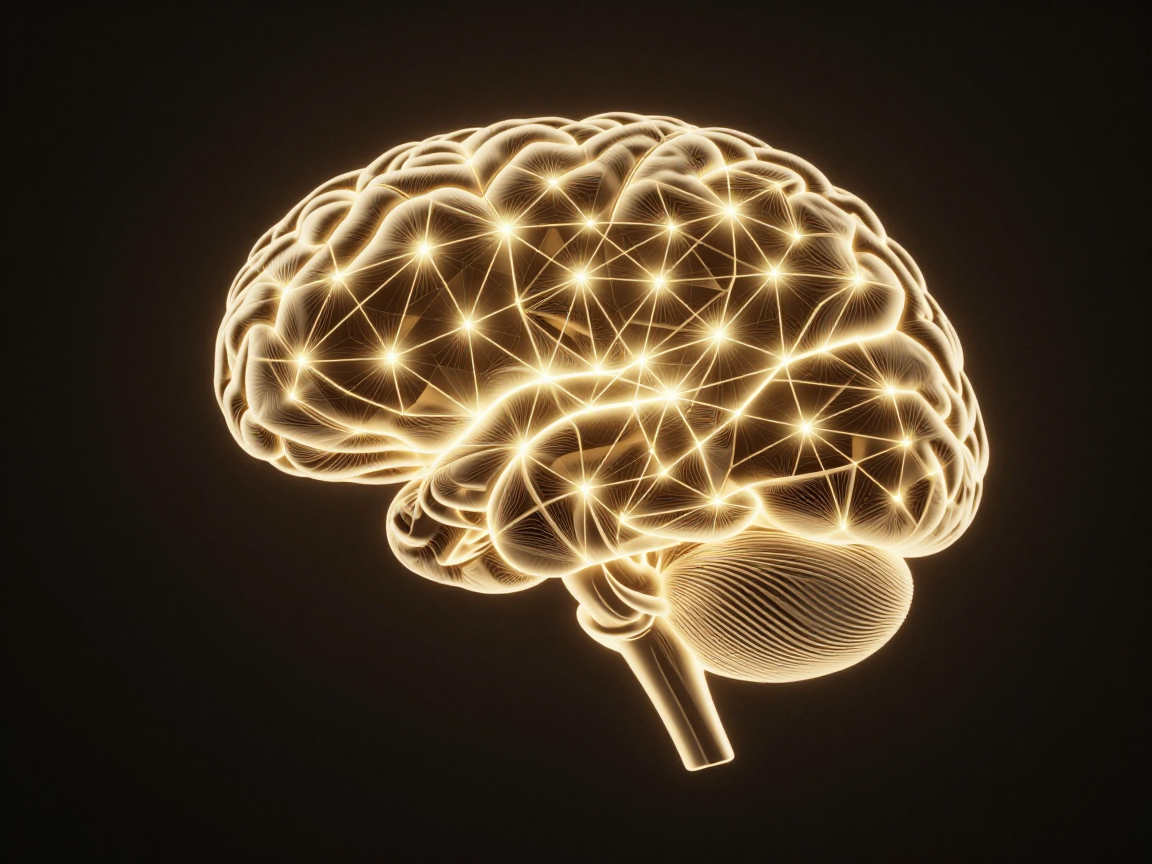
One of the most compelling aspects of transcendental meditation science is the study of brainwave patterns using Electroencephalography (EEG). In most daily activities, different parts of our brain operate somewhat independently, often in a state of fragmented activity. However, during TM, researchers consistently observe a phenomenon known as alpha-1 frontal coherence. This means that the electrical activity in the frontal lobes of the brain - the area responsible for executive function, decision-making, and moral reasoning - begins to pulse in a synchronized, orderly fashion.
This coherence is not limited to the frontal lobes; it tends to spread throughout the entire brain. In the context of transcendental meditation science, this suggests a high level of "brain integration" . When the brain is integrated, communication between the left and right hemispheres, as well as between the emotional centers and the logical centers, becomes more efficient. Over time, this orderly brain functioning becomes a trait rather than just a temporary state during meditation. This is likely why long-term practitioners often report improved creativity, better problem-solving abilities, and a greater sense of emotional stability.
The Role of the Prefrontal Cortex
The prefrontal cortex is often called the "CEO of the brain" . It is the part of us that stays calm and makes rational choices when things go wrong. Under high stress, the prefrontal cortex often "goes offline" , allowing the amygdala - the fear center - to take over. Transcendental meditation science shows that the practice strengthens the neural pathways to the prefrontal cortex. By regularly engaging in a state of restful alertness, practitioners are effectively "training" the CEO of their brain to stay in charge, even when external circumstances are chaotic.
Cardiovascular Health and the NIH Studies
Perhaps the most rigorous evidence in the field of transcendental meditation science comes from the world of cardiovascular health. The National Institutes of Health (NIH) have funneled millions of dollars into studying the effects of TM on blood pressure and heart disease. The results have been striking enough that even the American Heart Association has acknowledged TM as a viable clinical intervention for lowering blood pressure.
One landmark study followed participants with high blood pressure over several years. It found that those who practiced TM had a 43 percent lower risk of heart attack, stroke, and death compared to a control group that received standard health education. This suggests that the transcendental meditation science isn't just about "mental health" in a vacuum; it is about the direct, physical longevity of the human heart. By reducing the systemic load of stress, the practice prevents the arterial inflammation and tension that lead to chronic cardiovascular issues.
A Framework for Understanding the TM Scientific Model
To better understand how transcendental meditation science categorizes its findings, we can look at the "Three Pillars of Physiological Transformation" . This framework helps distinguish TM from other forms of self-care or relaxation.
- Metabolic Deceleration: This is the immediate physical response. Heart rate slows, breath becomes shallow and efficient, and lactate levels in the blood (associated with anxiety) drop sharply. This provides a sanctuary for the body to perform cellular repair.
- Neurological Integration: This involves the EEG coherence mentioned earlier. It is the process of the brain moving from a noisy, chaotic state to a synchronized, orderly state. This pillar is responsible for the cognitive benefits associated with the practice.
- Endocrine Normalization: This is the long-term balancing of hormones. Beyond just lowering cortisol, transcendental meditation science has looked at the increase in DHEA (a vitality hormone) and the stabilization of serotonin levels. It is a chemical rebalancing of the internal environment.
How TM Differs from Mindfulness and Focus
It is a common misconception that all meditation is the same. In the world of transcendental meditation science, researchers categorize techniques into three main groups based on brainwave activity:
- Focused Attention: Techniques that require the practitioner to focus on a flame, a breath, or a sensation. These usually produce gamma or beta brainwaves, indicating active mental effort.
- Open Monitoring: Mindfulness techniques where one observes thoughts without judgment. These are typically associated with theta waves, indicating a state of mental processing.
- Self-Transcending: This is the category for TM. Because there is no focus or monitoring, the brain is allowed to transcend the active level of thinking altogether. This produces the distinct alpha-1 coherence that is the hallmark of transcendental meditation science.
While focused attention and mindfulness have their own benefits - such as improving concentration or emotional awareness - the scientific profile of TM is uniquely centered on the deep rest and global brain integration that occurs when effort is removed from the equation.
The Impact on Stress and Trauma Recovery
One of the most profound applications of transcendental meditation science is in the treatment of Post-Traumatic Stress Disorder (PTSD). In studies involving military veterans and refugees, the practice has shown a significant reduction in symptoms like insomnia, flashbacks, and hyper-vigilance. The reason for this lies in the way TM calms the amygdala. For someone with trauma, the amygdala is constantly on high alert, scanning for danger. The deep rest of TM provides the nervous system with a sense of safety it hasn't felt in years, allowing the "alarm system" to finally reset.
This isn't just about feeling better in the moment. The data suggests that the cumulative effect of these sessions helps to re-wire the brain's response to stress. Instead of reacting with a spike in adrenaline to every minor inconvenience, the brain learns to maintain a baseline of calm. This is why many clinicians now view TM not as a spiritual pursuit, but as a form of "neurological hygiene" .
Checklist: The Measurable Markers of Progress
For those interested in the empirical side of the practice, transcendental meditation science identifies several markers that indicate the technique is working effectively on a physiological level:
- Reduced Recovery Time: After a stressful event, how quickly does your heart rate return to normal? Research shows practitioners recover much faster.
- Increased "Field Independence": This is a psychological term for the ability to remain calm and focused regardless of the surrounding environment.
- Lowered Baseline Cortisol: Regular testing shows that practitioners maintain lower levels of stress hormones even when they are not meditating.
- Improved Sleep Architecture: While TM is not sleep, the rest it provides often leads to deeper, more restorative sleep at night because the nervous system is less agitated.
- Heightened Creativity: As brain coherence increases, the ability to make novel connections between ideas often improves.
The Future of Meditation Research
As we look forward, the scope of transcendental meditation science continues to expand. New studies are exploring its impact on gene expression (epigenetics), cellular aging, and even its potential to slow the progression of cognitive decline in the elderly. What was once seen as a mysterious ritual is now being mapped out in the lab, one neuron at a time. The conclusion of decades of research is becoming clear: the human brain has an inherent capacity for deep, transformative rest, and TM is a specific tool designed to unlock it.
By prioritizing this state of restful alertness, we are not just taking a break from our day. We are engaging in a biologically profound process that optimizes the brain, heals the heart, and stabilizes the mind. The transcendental meditation science reminds us that sometimes, the most productive thing we can do for our health is to master the art of doing nothing at all, allowing the body's natural intelligence to take over and restore balance from the inside out.