Beyond the Physical: 7 Grounded Third Eye Opening Exercises to Sharpen Your Intuition
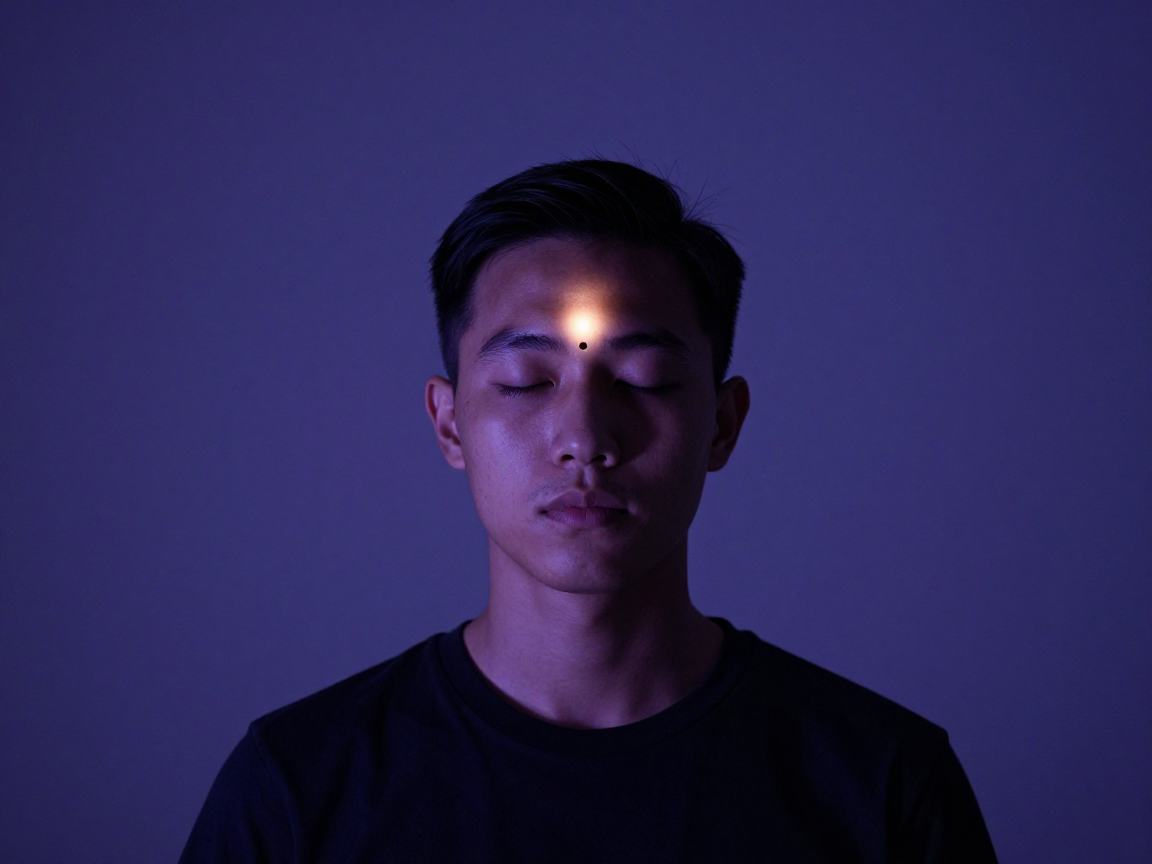
We often navigate the world using only our five primary senses—sight, sound, touch, taste, and smell. Yet, ancient traditions across the globe have long suggested that a sixth sense exists, residing just beyond the veil of our physical perception. This is the third eye, or the Ajna chakra, located in the center of the forehead. When this energetic center is dormant, we may feel disconnected from our purpose, stuck in repetitive thought patterns, or unable to trust our "gut feelings." Learning to engage with this center through specific third eye opening exercises is not about seeking supernatural powers; it is about refining your internal compass and seeing the world with greater clarity.
The journey toward opening the third eye is often misunderstood as a sudden, explosive event or a mystical hallucination. In reality, it is a process of clearing mental clutter, fostering stillness, and decalcifying the biological counterpart to the third eye: the pineal gland. By integrating third eye opening exercises into your daily life, you begin to bridge the gap between your logical mind and your intuitive wisdom. This guide explores the most effective, grounded techniques to help you tap into that deeper level of awareness.
The Biological and Spiritual Connection
Before diving into the exercises, it is helpful to understand what we are actually working with. In the yogic tradition, the third eye is the command center of the subtle body. It is the meeting point of the three main energy channels (nadis): the Ida, the Pingala, and the central Sushumna. When the Ajna chakra is balanced and active, it is said that one can see the "truth" behind the illusions of the material world, moving past the binary of like and dislike into a state of witness consciousness.
From a biological perspective, many researchers and spiritual practitioners point to the pineal gland. This tiny, pinecone-shaped gland in the brain regulates sleep-wake cycles by producing melatonin. Interestingly, the pineal gland contains light-sensitive cells, similar to those in our physical eyes, earning it the nickname the "atrophied eye." Over time, factors like poor diet, high stress, and excessive fluoride intake can cause this gland to calcify, which some believe inhibits our innate intuitive abilities. Therefore, many third eye opening exercises focus on both the energetic focus and the physical health of the brain.
1. Trataka: The Art of Candle Gazing
Trataka is one of the most powerful and ancient third eye opening exercises found in Hatha Yoga. It involves steady, uninterrupted gazing at a single point, most commonly a candle flame. This practice trains the mind to focus while stimulating the optic nerve, which is closely linked to the pineal gland.
To practice Trataka, find a quiet space and place a candle at eye level, about two to three feet away. Sit comfortably with your spine straight and gaze at the brightest part of the flame without blinking for as long as possible. When your eyes begin to water or feel tired, close them. You will likely see an afterimage of the flame in your mind's eye. Concentrate on this internal image, keeping it steady between your eyebrows until it fades. This exercise builds the concentration required for deeper intuitive work and helps transition the mind from external sight to internal vision.
2. Shambhavi Mudra: The Brow Center Gaze
Shambhavi Mudra is a highly regarded yoga technique often described as "the gaze of Shiva." It is one of the more direct third eye opening exercises because it physically directs the eyes toward the Ajna chakra, creating a mild pressure that many practitioners believe stimulates the brow center.
To perform Shambhavi Mudra:
- Sit in a meditative posture with your spine straight.
- Close your eyes for a few moments to center yourself.
- Gently open your eyes and look upward and inward, toward the space between your eyebrows.
- You should see your eyebrows forming a "V" shape at the center.
- Hold this gaze for a few seconds, then close your eyes and relax.
Avoid straining your eye muscles. The goal is a steady, soft focus. Over time, this movement helps to stimulate the energetic pathways leading to the third eye, fostering a sense of internal stillness and making it easier to enter deep meditative states.
3. Sacred Vibration: The "Sham" Seed Mantra
Every chakra has a "seed mantra" or a specific vibration that resonates with its energy. For the third eye, that sound is "Sham" (pronounced like "shum"). Sound-based third eye opening exercises work by creating a physical vibration in the skull that can help stimulate the pineal gland and break up energetic stagnation.
Take a deep breath and, as you exhale, chant the sound "Sham" slowly. Feel the vibration of the "M" sound resonating in the front of your head and the center of your skull. If you find chanting difficult, you can listen to Solfeggio frequencies. The frequency of 852 Hz is specifically associated with returning to spiritual order and awakening intuition. Listening to this frequency while meditating or performing visualization can significantly amplify the effects of other third eye opening exercises.
4. Indigo Visualization and the Inner Screen
The color associated with the third eye is indigo—a deep, midnight blue that represents the bridge between the visible and invisible worlds. Visualization is a key component of many third eye opening exercises because the third eye is the seat of the imagination and the "inner screen" where we process non-physical information.
To perform this visualization, sit in a dark room and close your eyes. Imagine a tiny seed of indigo light in the center of your brain. With every inhale, imagine this light becoming brighter and more vibrant. With every exhale, see the light expanding outward through your forehead. Visualize this light clearing away any "fog" or "grey clouds" in your mind. Imagine this light illuminating your path, allowing you to see solutions to problems that were previously hidden. This mental exercise trains your brain to perceive and prioritize energy that is not strictly physical.
5. Breathwork: The Pranic Pump
Pranayama, or yogic breathing, is essential for moving energy (Prana) up toward the higher chakras. When energy is stuck in the lower chakras (survival, pleasure, power), it is difficult to access the third eye. The "Third Eye Breath" is a modified technique designed to pump energy upward.
Inhale deeply through your nose, imagining you are drawing energy from the base of your spine all the way up to your forehead. Hold the breath for a few seconds while focusing your attention on the space between your eyebrows, feeling the pressure build. As you exhale, feel the energy radiating from that point like a lighthouse beam. This is among the most practical third eye opening exercises for those who need to feel a physical sensation of energy movement to stay focused.
6. Environmental Alignment: Pineal Gland Health
Third eye opening exercises are more effective when the physical body is supported. Because the pineal gland is susceptible to calcification, many practitioners incorporate lifestyle changes to support their spiritual practice.
- Reduce Fluoride: Many believe fluoride contributes to pineal calcification. Switching to fluoride-free toothpaste and drinking filtered water can be a supportive physical step.
- Essential Oils: Sandalwood, Frankincense, and Clary Sage are renowned for their ability to calm the logical mind. Use a diffuser during your practice or dab a tiny drop of diluted oil on your temples.
- Darkness Therapy: Since the pineal gland produces melatonin in response to darkness, spending time in a pitch-black room can help "reset" the gland and heighten internal awareness.
7. Dream Journaling and Lucid Recall
The third eye is most active when the logical mind is offline, specifically during the dream state. One of the most overlooked third eye opening exercises is the simple act of recording your dreams immediately upon waking. By creating a bridge between the subconscious and the conscious mind, you signal to your brain that you value your internal visions.
Keep a notebook by your bed. Before you go to sleep, set the intention: "Tonight, I will remember my dreams and see the truth within them." In the morning, write down even the smallest fragments. Over time, you will notice patterns and symbols that serve as direct messages from your intuition, further opening the channel of the Ajna chakra.
A 15-Minute Daily Framework for Third Eye Activation
Consistency is more important than intensity when it comes to third eye opening exercises. Use the following framework to build a sustainable daily practice:
- Preparation (2 Minutes): Dim the lights and sit comfortably. Apply a drop of Frankincense oil if available. Close your eyes and take five deep, grounding breaths.
- Sound Activation (3 Minutes): Chant the "Sham" mantra or play 852 Hz frequencies. Focus on the physical vibration in your forehead.
- Active Gaze (5 Minutes): Perform either Trataka (candle gazing) or Shambhavi Mudra. If using the mudra, do sets of 30 seconds of gazing followed by 30 seconds of rest.
- Visualization (3 Minutes): See the indigo light expanding. Mentally ask a question you need clarity on and simply "wait" for any images or feelings without forcing them.
- Integration (2 Minutes): Gently rub your palms together to create heat and place them over your closed eyes. Slowly transition back to the physical room.
Signs of Progress and the Importance of Grounding
As you progress with these third eye opening exercises, you may notice subtle shifts. Common signs include increased dream vividness, frequent synchronicities, and a heightened sensitivity to the moods of others. You might find that your peripheral vision seems "sharper" or that you have a sudden clarity about life decisions.
However, it is crucial to stay grounded. If you focus only on the upper chakras, you may feel spacey, anxious, or disconnected from reality—a state often called being "top-heavy." To prevent this, always balance your third eye opening exercises with grounding activities. Spend time in nature, walk barefoot on the earth, and engage in physical movement. Opening the third eye is not about escaping reality; it is about seeing reality more clearly and navigating it with a wiser, more intuitive heart.