Beyond Relaxation: Why Sound Healing Benefits Go Much Deeper Than You Think
In our hyper-connected, perpetually noisy world, the concept of adding more sound to your life to find peace might seem counterintuitive. We spend our days filtering out the hum of traffic, the persistent ping of notifications, and the low-grade static of office life. Yet, a growing body of research and thousands of years of cultural tradition suggest that specific types of intentional sound don't just distract us—they can actually repair us. The conversation around sound healing benefits has moved from the fringes of New Age retreats into the center of modern wellness, and for good reason.
At its core, sound healing is the practice of using specific frequencies, rhythms, and instruments to bring the body and mind back into a state of equilibrium. Whether it is the deep resonance of a Tibetan singing bowl or the precise digital pulses of binaural beats, these auditory tools interact with our biology at a cellular level. To understand the full scope of sound healing benefits, we have to look past the surface-level relaxation and examine how vibration influences our nervous system, our brain chemistry, and even our physical recovery processes. It is not a passive experience of listening; it is an active immersion in a field of energy that reorganizes the body from the inside out.
The Bio-Physics of Resonance: Why We Are "Vibrational Beings"
To appreciate the diverse sound healing benefits available to us, we must first accept a fundamental truth of physics: everything in the universe is in a state of vibration. This includes every organ, bone, and tissue in the human body. When we are healthy, our body operates like a finely tuned orchestra, with every system vibrating at its optimal frequency. When we are stressed, ill, or emotionally depleted, that orchestra falls out of tune. Sound healing acts as a master conductor, using the principle of entrainment to pull our internal systems back into a harmonious rhythm.
Entrainment is a phenomenon where two vibrating objects will eventually lock into the same frequency. If you strike a tuning fork and hold it near another of the same frequency, the second one will begin to vibrate in sympathy. Our brains do the same thing with sound. When we listen to slow, rhythmic patterns, our brainwaves begin to slow down, shifting from the frantic Beta state of everyday "busyness" into the Alpha or Theta states associated with deep meditation, creativity, and healing. This shift is the foundation of almost all sound healing benefits, as it allows the body to move out of the sympathetic nervous system's "fight or flight" response and into the parasympathetic "rest and digest" mode.
Furthermore, because the human body is roughly 70 percent water, we are the perfect medium for conducting sound waves. Vibration travels through water four times faster than it does through air. This means that when you attend a sound bath or use a resonant instrument, the sound isn't just hitting your ears—it is physically massaging every cell in your body. This "vibroacoustic" effect is a major contributor to the physical sound healing benefits people report, such as reduced muscle tension, improved lymphatic drainage, and better circulation. We are quite literally being rearranged by the frequencies we choose to invite into our space.
Mapping the Impact: 5 Essential Sound Healing Benefits for Modern Life
While the experience of a sound session is often described as "ethereal" or "magical," the tangible outcomes are deeply grounded in physiological changes. Here are five of the most significant sound healing benefits that can transform your daily well-being.
1. Rapid Reduction of Stress and Anxiety
This is perhaps the most immediate of the sound healing benefits. By stimulating the vagus nerve—the main component of the parasympathetic nervous system—sound healing helps lower cortisol levels and normalize the heart rate. Unlike traditional meditation, which can feel difficult for beginners with "monkey minds," sound provides a concrete anchor for the attention. The complexity of a gong's overtones or the purity of a crystal bowl gives the brain too much to process to stay stuck in a loop of anxious thoughts, making it much easier to drop into a state of deep calm quickly.
2. Enhanced Cognitive Clarity and Focus
Many people struggle with "brain fog" caused by sensory overload and digital fatigue. Using sound frequencies like Alpha waves (8-12 Hz) can help sharpen focus and encourage a "flow state." One of the lasting sound healing benefits is the ability to train the brain to return to this productive state more easily over time. By using binaural beats or specific tuning forks, you can essentially "tune" your mind for the task at hand, whether it requires deep analytical work or expansive creative thinking.
3. Improved Sleep Quality and Duration
Chronic insomnia is often a result of the brain staying stuck in a high-frequency Beta state long after the sun has set. Sound healing, particularly the use of Delta frequencies (0.5-4 Hz), can nudge the brain into the deep, restorative sleep cycles needed for physical repair. Regular practitioners often report that they not only fall asleep faster but wake up feeling significantly more refreshed because they spent more time in the REM and deep sleep stages where cellular regeneration occurs.
4. Natural Pain Management
Sound healing benefits extend into the realm of physical therapy and chronic pain relief. Research into vibroacoustic therapy has shown that low-frequency sound can help reduce the perception of pain in patients with chronic conditions like fibromyalgia or arthritis. The vibrations help relax constricted muscles, reduce inflammation, and may even stimulate the release of nitric oxide, which dilates blood vessels and increases oxygenation to damaged tissues. It acts as a non-invasive, drug-free analgesic.
5. Emotional Release and Trauma Processing
We often store emotional stress as physical tension in the fascia and muscles. The deep, sustained tones of gongs or heavy metal bowls can act as a catalyst for "somatic release," allowing suppressed emotions to surface and be processed in a safe environment. This cathartic aspect of sound healing benefits those who find traditional talk therapy challenging or feel "stuck" in their emotional healing journey. It bypasses the analytical mind and speaks directly to the body's storage of memory.
The S.O.U.N.D. Protocol: How to Build a Sustainable Home Practice
You don't need to be a professional musician or own expensive equipment to begin experiencing sound healing benefits. You can build a personal practice using the "S.O.U.N.D." framework to ensure your sessions are effective and intentional.
- S - Set an Intention: Before you begin, decide what you need. Are you looking for "energy and focus" or "rest and release"? Setting a mental goal helps focus the brain's response to the frequency and creates a psychological framework for the experience.
- O - Optimize Your Environment: Find a space where you won't be interrupted. While you can experience sound healing benefits anywhere, a quiet, dark room allows the nervous system to let go of external scanning and focus entirely on the vibration. Dim the lights and perhaps use an eye mask to shut out visual stimuli.
- U - Use Quality Audio: If you are listening to digital recordings or binaural beats, use high-quality, over-ear headphones. Many sound healing benefits depend on the "stereo effect" where different frequencies are played in each ear to create a third "phantom" frequency in the brain.
- N - Notice the Physical Sensations: Don't just listen with your ears. Try to feel where the sound resonates in your chest, your throat, or your head. This somatic awareness—noticing the "tingles" or the warmth—amplifies the grounding effects of the practice and strengthens the mind-body connection.
- D - Daily Consistency: Like any form of exercise or meditation, the most significant sound healing benefits come from regular "micro-doses." Even 10 minutes a day of focused listening can rewire your stress response over time, making you more resilient to the daily noise of life.
Selecting Your Frequency: A Guide to Therapeutic Instruments
There is no "one size fits all" approach to sound healing. Different instruments offer different sound healing benefits depending on your specific needs. Understanding the "flavor" of each tool can help you customize your practice.
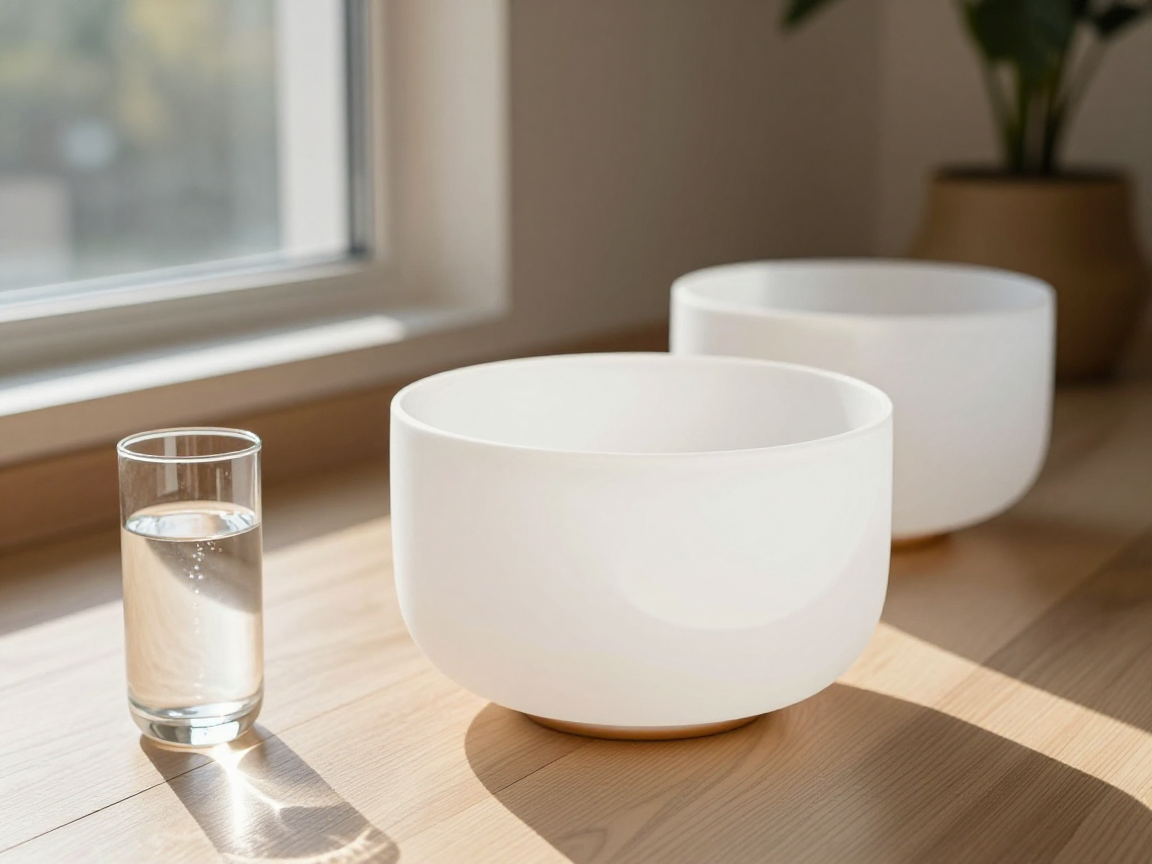
- Singing Bowls (Metal and Crystal): These are the gold standard for sound baths. Metal (Himalayan) bowls produce a complex series of overtones that are excellent for grounding and physical relaxation. Crystal bowls, made from high-purity quartz, produce a more singular, piercing tone that is often used for mental clarity and shifting higher-energy states.
- Gongs: Gongs produce a vast range of frequencies and are known for their power to wash over the listener, often referred to as a "gong bath." They are particularly effective for breaking up deep-seated emotional blocks and inducing altered states of consciousness.
- Tuning Forks: These are precision tools. Because they vibrate at a very specific, stable frequency, they are often used in "point therapy" where the stem of the fork is placed directly on a bone or a meridian point on the body. This is one of the best ways to access localized sound healing benefits for joint pain or muscle tension.
- Binaural Beats: This is the most accessible way to experience sound healing benefits. By playing two slightly different frequencies in each ear, the brain "calculates" the difference, creating a frequency that can induce specific states of consciousness. This is ideal for those who want to use sound for productivity at work or for falling asleep at night without needing physical instruments.
- The Human Voice: We often forget that we carry the most powerful sound healing tool within us. Humming, chanting, or "toning" creates internal vibrations that immediately stimulate the vagus nerve. The sound healing benefits of your own voice are unique because the vibration starts from the inside out, offering a sense of self-regulation and empowerment that external tools cannot always match.
Beyond the Hype: Common Pitfalls and Expectations
While sound healing is generally safe and accessible, many people fail to see the full sound healing benefits because of a few common pitfalls. One major mistake is "passive listening" while being distracted. If you are scrolling through your phone while listening to a healing frequency, your brain is still engaged in a "high-alert" state of scanning and scrolling, which prevents the entrainment process from fully taking hold. You must give the sound permission to lead your nervous system.
Another mistake is expecting "instant miracles." While you might feel significantly more relaxed after one session, the structural sound healing benefits—such as improved nervous system resilience and lowered baseline anxiety—require cumulative practice. Think of it as "tuning" a guitar; it’s not something you do once and expect to stay perfect forever. It requires regular attention to maintain harmony.
Finally, ignore the "noisier is better" myth. Higher volume does not equal higher healing. In fact, if the volume is too high, it can trigger a startle response in the nervous system, which is the exact opposite of what we want. The most effective sound healing benefits occur when the volume is at a comfortable, "immersed" level where you can still breathe deeply and easily. The goal is to bathe in the sound, not be drowned by it.
Conclusion: Finding Your Own Frequency
At its heart, the world of sound healing is an invitation to listen more deeply—not just to the music or the bowls, but to the internal state of our own bodies. The vast array of sound healing benefits suggests that we are not meant to live in a constant state of high-frequency static. We are rhythmic creatures living in a rhythmic universe, and we require rhythmic restoration.
Whether you decide to attend a professional gong bath, invest in a set of tuning forks, or simply spend ten minutes a day humming in the shower, you are engaging in a practice that is as old as humanity itself. By intentionally choosing the frequencies we surround ourselves with, we stop being victims of a noisy environment and start becoming the architects of our own internal harmony. The benefits are there, waiting in the resonance. All you have to do is listen.