Beyond the Rainbow: The Chakra System Explained as a Map for Emotional Freedom
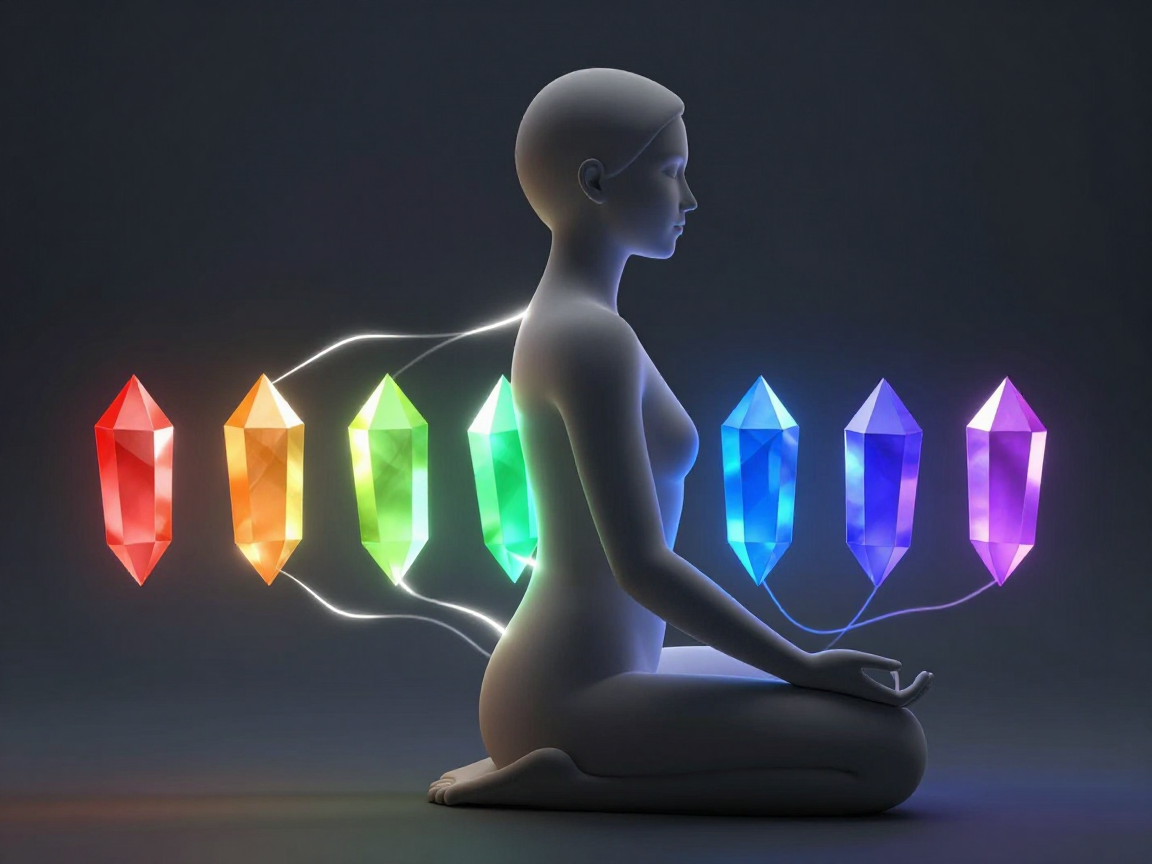
We have all had those days where everything feels slightly out of alignment. Perhaps you are physically healthy by medical standards, yet you feel a persistent sense of fatigue, a lack of creative spark, or an inability to speak your mind. For thousands of years, ancient Eastern traditions have addressed these subtle imbalances through a framework that bridges the gap between the physical body and the invisible spirit. This is the chakra system explained—a sophisticated map of human consciousness that helps us navigate the complexities of our internal world.
At its core, the chakra system is not just a collection of colorful symbols or a New Age trend; it is a diagnostic tool for the soul. By understanding how energy flows—or stagnates—through these seven primary centers, we can begin to identify the root causes of our emotional patterns and physical tensions. Rather than treating symptoms in isolation, this system invites us to look at the whole human experience as a fluid, interconnected dance of energy. When we dive into the chakra system explained through a modern lens, we find a practical roadmap for personal growth and holistic well-being.
What Exactly is a Chakra?
The word "chakra" comes from the Sanskrit word for "wheel" or "disk." In the context of yogic philosophy and ancient Vedic texts, these are described as spinning vortexes of energy located along the central axis of the body. While they are not physical organs you can see on an X-ray, they are often described as intersecting points where our nervous system, endocrine system, and energetic body meet.
Imagine the body has a series of power stations. Each station is responsible for distributing energy to specific areas of your life—your sense of safety, your relationships, your willpower, and your connection to the divine. If a station is "congested" or underpowered, the "lights" in that area of your life may begin to flicker. The chakra system explained simply is the study of how to keep these stations running efficiently so that your life force, or prana, can flow without interruption.
Traditionally, there are thousands of minor chakras throughout the human body, but most practices focus on the seven primary centers that run from the base of the spine to the crown of the head. These centers act as a ladder of consciousness, moving from the most grounded, physical aspects of survival to the most expanded, spiritual aspects of awareness. To understand the whole human, we must understand how these wheels turn in unison.
The Seven Energy Centers: A Detailed Breakdown
To truly grasp the chakra system explained, we must look at each center as a unique psychological and physiological hub. Each one carries a specific frequency, color, and set of life lessons that dictate how we interact with our environment.
1. The Root Chakra (Muladhara)
Located at the base of the spine, the Root Chakra is your foundation. It represents your basic survival needs: food, shelter, safety, and a sense of belonging. When this center is balanced, you feel grounded and secure in your right to exist. This chakra is linked to the adrenal glands and the "fight or flight" response. When it is blocked, you may experience chronic anxiety, financial instability, or a feeling of being "spaced out" or disconnected from reality. Healing the root is about reclaiming your sense of safety in the physical world.
2. The Sacral Chakra (Svadhisthana)
Positioned just below the navel, the Sacral Chakra is the center of creativity, sexuality, and emotional intelligence. It governs our ability to accept others and new experiences. This is where we process our desires and our ability to find joy in life. A healthy Sacral Chakra allows for healthy boundaries and a fluid creative output. If it is stagnant, you might feel emotionally numb, creatively blocked, or trapped in addictive patterns. This center teaches us that pleasure is not a sin, but a vital part of the human experience.
3. The Solar Plexus Chakra (Manipura)
Located in the upper abdomen, this is your center of personal power, self-esteem, and autonomy. It is the "fire in the belly" that drives you to achieve your goals and assert your identity. When the Solar Plexus is functioning well, you feel confident and in control of your destiny. If it is overactive, you may become controlling, perfectionistic, or aggressive; if it is underactive, you may struggle with low self-worth and find it impossible to finish projects you start. This is the seat of your personal will.
4. The Heart Chakra (Anahata)
Situated at the center of the chest, the Heart Chakra serves as the bridge between the lower "physical" chakras and the upper "spiritual" chakras. It is the center of love, compassion, and forgiveness. It is not just about romantic love, but about our capacity to connect with the world at large with an open heart. A balanced Heart Chakra allows us to give and receive love freely without fear or resentment. When blocked, we may become defensive, lonely, or unable to let go of past hurts.
5. The Throat Chakra (Vishuddha)
This is the center of communication and self-expression. It is about more than just talking; it is about speaking your truth with integrity and listening with intent. When the Throat Chakra is open, you can express your needs and ideas clearly and authentically. When it is blocked, you may find yourself "swallowing" your words or, conversely, dominating conversations to avoid listening to others. It represents the bridge between our thoughts and our external manifestation.
6. The Third Eye Chakra (Ajna)
Located between the eyebrows, the Third Eye is the seat of intuition and imagination. It allows us to see the "big picture" beyond the limitations of the five senses. This chakra is about wisdom and the ability to perceive the underlying patterns of life. When it is clear, you trust your gut feelings and have a strong sense of purpose. A blockage here often manifests as a lack of direction, mental fog, or an inability to visualize a future for yourself.
7. The Crown Chakra (Sahasrara)
At the very top of the head sits the Crown Chakra, representing our connection to the divine, the universe, or our highest self. This is the center of pure consciousness and spiritual enlightenment. While the other chakras deal with the "self," the Crown Chakra is where we transcend the ego and realize our oneness with all that exists. When this chakra is open, we feel a deep sense of peace and a connection to something larger than ourselves. When closed, we may feel spiritually cynical or isolated.
How to Identify Energetic Blockages
Understanding the chakra system explained is one thing, but applying it requires radical self-observation. Energy blockages often manifest as recurring "themes" or physical tensions in our lives. Use the following checklist to see where your energy might be caught:
- Root Blockage: Do you constantly worry about money even when you have enough? Do you feel physically clumsy or ungrounded?
- Sacral Blockage: Are you struggling to feel inspired? Do you feel guilty when you experience pleasure or joy?
- Solar Plexus Blockage: Do you feel like a "doormat" for others? Do you have frequent digestive issues or a lack of motivation?
- Heart Blockage: Are you holding onto a grudge from years ago? Do you find it hard to trust people, even those close to you?
- Throat Blockage: Are you afraid to say "no" even when you are overwhelmed? Do you feel like your voice doesn’t matter in social settings?
- Third Eye Blockage: Do you feel disconnected from your intuition? Do you get lost in over-analyzing every small detail without taking action?
- Crown Blockage: Do you feel a sense of spiritual cynicism or a lack of direction in life? Do you feel a lack of "flow" in your daily routine?
A 4-Step Framework for Rebalancing Your System
Once you have identified a potential imbalance, you can use this structured approach to restore flow. Balancing your chakras is not a one-time event but a lifestyle practice of awareness and gentle correction.
Step 1: Awareness and Naming
The first step in any healing process is naming the sensation. If you feel a "tightness" in your chest when you think about a specific relationship, recognize that as an Anahata (Heart) constriction. Simply acknowledging the energy often begins the process of movement. Meditation is the primary tool here; by sitting in silence, we allow the "mud" of our thoughts to settle, revealing the clear water of our energetic state.
Step 2: Grounding and Physicality
Each chakra has physical associations and elements. To heal the Root (Earth), walk barefoot on the grass. To heal the Sacral (Water), engage in fluid movement like dance or swimming. To heal the Solar Plexus (Fire), engage in core-strengthening exercises or spend time in the sun. By moving the physical body in ways that correspond to the chakra, you create a vessel for the energetic shift to take place.
Step 3: Sound and Frequency
Ancient traditions used "Bija Mantras"—single-syllable seed sounds—to vibrate each chakra and break up stagnant energy.
- Root: LAM
- Sacral: VAM
- Solar Plexus: RAM
- Heart: YAM
- Throat: HAM
- Third Eye: OM
- Crown: Silence or internal OM
Chanting these sounds or listening to corresponding Solfeggio frequencies can help "tune" the centers like strings on a guitar, returning them to their natural resonance.
Step 4: Affirmation and Mindset
Replace the limiting belief associated with the blockage with a supportive one. For the Throat Chakra, you might say, "My voice matters and I speak my truth with ease." For the Root, "I am safe and supported by the universe." These affirmations are not just "positive thinking"; they are a method of reprogramming the subconscious mind to align with the energy you wish to cultivate.
The Psychology of the Chakras: A Modern Perspective
It is fascinating to note how the chakra system explained thousands of years ago mirrors modern psychological frameworks like Maslow’s Hierarchy of Needs. Maslow suggested that we cannot reach "self-actualization" (Crown Chakra) until our basic physiological and safety needs (Root Chakra) are met. Similarly, we cannot form healthy social connections (Heart Chakra) if we do not have a stable sense of self-esteem (Solar Plexus).
By viewing the chakras as developmental stages of the human psyche, the system becomes a deeply logical way to approach self-improvement. It suggests that our "problems" are rarely just about the present moment; they are often echoes of energetic imprints from our past that have become "stuck" in our field. When we clear these imprints, we do not just feel better—we actually become more capable of navigating the world with clarity and grace. It provides a holistic vocabulary for the things that therapy often misses.
Integrating the System into Your Daily Life
You do not need to spend hours in meditation to benefit from the chakra system explained in this guide. Integration is about small, conscious choices. It is about noticing when your shoulders hunch up toward your ears (Throat and Heart tension) and taking a deep breath to drop them. It is about choosing foods that nourish your body or colors that make you feel vibrant and alive.
Ultimately, the chakra system is a reminder that you are more than just a body and a brain. You are a complex, radiant system of energy. By paying attention to these subtle centers, you gain a level of self-mastery that allows you to respond to life rather than simply reacting to it. Whether you use it for spiritual growth or simply to understand why you feel "off," the chakra system remains one of the most powerful maps for human transformation ever devised. As you learn to balance these wheels, you find that life begins to move with you, rather than against you.