Beyond the Quiet Mind: How to Navigate and Master the Five States of Meditation Brain Waves
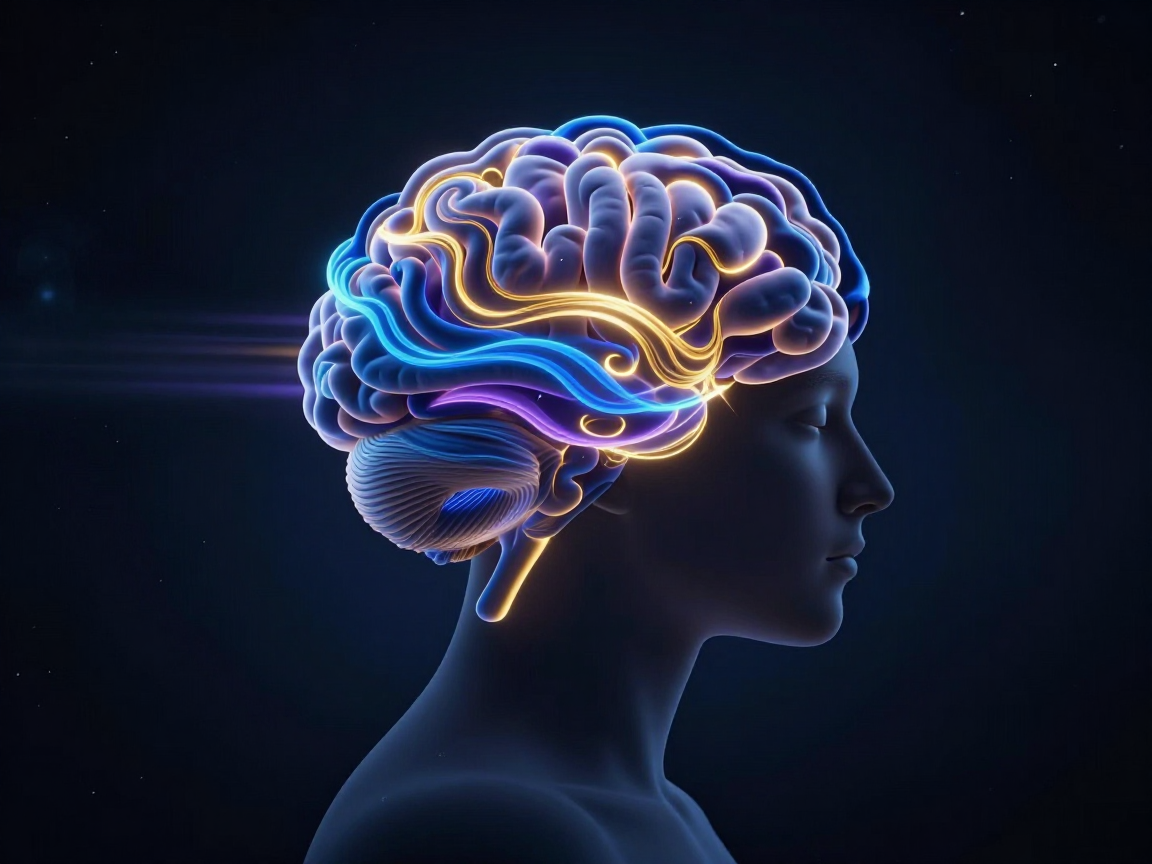
Most people approach meditation as a battle against their own thoughts. They sit down, close their eyes, and immediately become frustrated by the internal chatter that refuses to subside. This frustration stems from a misunderstanding of what is actually happening inside the skull. Meditation is not merely the absence of thought; it is a deliberate shift in the electrical rhythm of the brain. When we talk about meditation brain waves, we are talking about the different gears of human consciousness. Just as a car has different gears for climbing a hill or cruising on a highway, your brain uses specific frequencies to process stress, solve problems, or enter deep states of rest.
Understanding these frequencies changes the way you practice. Instead of fighting your mind, you begin to work with its natural biology. You stop asking "Why can't I be still?" and start asking "What frequency am I in right now?" By learning to navigate the spectrum of meditation brain waves, you gain the ability to move out of the high - stress survival modes that dominate modern life and into the expansive, creative, and healing states that characterize long - term practitioners. This guide will walk you through the science of these neural oscillations and provide a framework for mastering your mental state.
The Science of Electrical Flow: What Are Meditation Brain Waves?
Every moment of your life, the billions of neurons in your brain are communicating through tiny electrical impulses. When these neurons fire together in a synchronized pattern, they create a wave - like rhythm known as a neural oscillation. These are measured in Hertz (Hz), which simply means cycles per second. The lower the number, the slower the brain activity; the higher the number, the more frantic or focused the mental processing.
Meditation is essentially the art of downshifting. Most of us spend our waking hours in a high - frequency state designed for survival and task management. However, chronic exposure to these high frequencies leads to burnout, anxiety, and a sense of being "wired but tired". When we engage in deep practice, we intentionally slow these rhythms down. This shift in meditation brain waves triggers a cascade of physiological changes, including reduced cortisol levels, increased dopamine production, and enhanced neuroplasticity. You are not just "relaxing"; you are physically reorganizing the way your brain functions.
Mapping the Meditative Landscape: The Five Frequencies
To master your internal world, you must first recognize the different landscapes of consciousness. There are five primary categories of brainwaves, and each plays a unique role in the meditative experience.
Beta Waves (13 - 30 Hz): The Doing Mind
Beta is the frequency of our normal waking consciousness. It is characterized by logical thinking, analytical processing, and alertness. While Beta is necessary for getting through your to - do list, it is also where stress and anxiety reside. High - Beta activity is often associated with the "fight or flight" response. In meditation, the goal is usually to move out of Beta, though some forms of active contemplation still hover near the lower end of this range.
Alpha Waves (8 - 12 Hz): The Gateway
Alpha is the bridge between the conscious and subconscious. When you close your eyes and take a few deep breaths, your brain naturally begins to produce Alpha waves. This state is often described as "relaxed alertness". It is the frequency of flow states, light meditation, and daydreams. Alpha acts as a filter; it helps quiet the noise of the external world so you can begin to look inward. For beginners, reaching Alpha is the first major milestone in mastering meditation brain waves.
Theta Waves (4 - 8 Hz): The Deep Subconscious
Theta is where the magic happens. This is a deeply hypnotic state that usually occurs during REM sleep or the twilight zone just before falling asleep. In meditation, Theta is the realm of deep visualization, intuition, and profound emotional healing. In this state, the critical mind is offline, allowing you to access the subconscious and reprogram deep - seated beliefs. Many experienced meditators describe Theta as a feeling of being "awake while the body is asleep".
Delta Waves (0.5 - 4 Hz): The Regenerative State
Delta is the slowest frequency and is typically associated with deep, dreamless sleep. However, highly advanced practitioners can reach Delta states while remaining conscious. This is the frequency of total detachment and physical regeneration. In Delta, the body focuses entirely on healing and cellular repair. It is a state of complete transcendence where the sense of individual "self" often dissolves.
Gamma Waves (30 - 100+ Hz): The Insight State
Gamma is the outlier. Unlike the other waves, Gamma is a high - frequency state associated with peak mental performance, high - level information processing, and moments of "Aha!" insight. Research on Tibetan monks has shown that they can produce incredibly high levels of Gamma during loving - kindness meditation. This suggests that Gamma is the frequency of universal compassion and the integration of the entire brain.
The Alpha - Theta Bridge: Why It Matters for Transformation
While all meditation brain waves have their place, the transition from Alpha to Theta is often considered the sweet spot for personal growth. This is known as the Alpha - Theta bridge. When you are in this zone, you are relaxed enough to let go of your ego's defenses but alert enough to direct your intentions.
If you have ever had a brilliant idea while in the shower or just as you were drifting off to sleep, you were likely on this bridge. In this state, the brain is highly plastic, meaning it is more receptive to new ways of thinking. This is why techniques like Yoga Nidra or guided visualizations are so effective; they are designed specifically to pull the practitioner across the bridge and into the Theta range where the subconscious becomes accessible. Mastering this transition allows you to move beyond simple relaxation and into the realm of active self - transformation.
A Step - by - Step Framework to Shift Your Brain Waves
You do not need expensive equipment to influence your neural rhythms. You can use specific physiological anchors to guide your brain through the frequencies. Use this four - step framework to move from the frantic Beta state into deeper meditative layers.
- The Sensory Shutdown (Beta to Alpha): Begin by eliminating external stimuli. Close your eyes and use a "soft gaze" behind your eyelids. Instead of focusing on a specific point, try to perceive the space around you. This simple act of widening your internal focus signals the brain to start producing Alpha waves.
- Rhythmic Respiration (Stabilizing Alpha): Breath is the remote control for the nervous system. Implement a 4 - 7 - 8 breathing pattern: inhale for 4 seconds, hold for 7, and exhale for 8. The elongated exhale stimulates the vagus nerve and reinforces the Alpha rhythm, quieting the "inner critic".
- The Body Scan (Alpha to Theta): Once you feel a sense of heavy relaxation, slowly scan your body from toe to head. Focus on the sensation of weight and warmth. This shifts your awareness from "thinking" to "feeling". As you lose sense of the room around you and focus purely on internal sensations, you are entering the Theta state.
- The Intentional Void (Entering Theta/Delta): In this deep state, stop all active visualization. Imagine yourself as a point of awareness in a vast, dark space. If a thought arises, do not fight it; simply observe it as a cloud passing through a clear sky. This detachment is the key to maintaining low - frequency meditation brain waves without falling into actual sleep.
Common Obstacles in Frequency Mastery
Even with the right technique, the brain often resists downshifting. Here are the most common reasons people stay stuck in high - frequency states:
- The "Trying" Trap: The more you try to force a quiet mind, the more Beta waves you produce. Meditation is an act of surrendering, not an act of will.
- Caffeine Overload: Stimulants keep the brain locked in high - Beta. If you find it impossible to reach Alpha, check your caffeine intake in the hours leading up to your practice.
- Inconsistent Environment: Your brain loves associations. If you try to meditate in the same chair where you do your taxes, your brain will struggle to leave the "doing" mode. Create a dedicated space for your practice.
- Emotional Resistance: Sometimes, moving into Theta brings up suppressed emotions. If you feel sudden anxiety or sadness, the brain may snap back into Beta as a defense mechanism. Acknowledge the feeling and return to the breath.
Using External Tools: Sound and Frequency
In recent years, the use of sound to influence meditation brain waves has become increasingly popular. Tools like binaural beats, isochronic tones, and singing bowls work through a process called brainwave entrainment. This occurs when the brain's internal rhythms synchronize with an external rhythmic stimulus.
For example, if you play a frequency of 200 Hz in one ear and 206 Hz in the other, your brain perceives a "beat" of 6 Hz - which is right in the middle of the Theta range. While these tools are not a substitute for the internal work of meditation, they can act as "training wheels", helping the brain find the desired frequency more quickly. For those who feel naturally stuck in a high - stress Beta loop, sound technology can be a powerful shortcut to experiencing the benefits of deeper states.
Moving Toward Integration
The goal of mastering meditation brain waves is not to live in Theta or Delta forever. We are meant to be dynamic beings capable of moving through the entire spectrum. The true benefit of meditation is "neural flexibility" - the ability to be intensely focused in Beta when the work requires it, and then effortlessly shift into Alpha or Theta when it is time to rest or create.
As you continue your practice, stop judging your sessions by how "quiet" your mind was. Instead, start noticing the quality of your awareness. Are you feeling the heavy, dreamlike state of Theta? Are you feeling the light, creative flow of Alpha? By becoming a conscious navigator of your own brainwaves, you move from being a victim of your thoughts to being the architect of your own consciousness. The peace you are looking for is not something to be created; it is a frequency that is already there, waiting for you to tune in.