When the World Feels Too Loud: A Practical Guide to Self Soothing Techniques for Lasting Calm
We live in an era of constant sensory input. Between the persistent ping of digital notifications, the pressure of professional expectations, and the general hum of global uncertainty, it is easy for the human nervous system to feel permanently overstimulated. When our internal alarm systems are triggered, we often default to survival modes like fight, flight, or freeze. However, staying in these states for too long leads to burnout, anxiety, and a profound sense of disconnection from ourselves. Learning how to move from a state of high alert back into a state of safety is not just a luxury—it is a fundamental survival skill for the modern world.
This process of returning to emotional equilibrium is often facilitated through self soothing techniques. While the term is frequently associated with early childhood development—the way a baby sucks their thumb or a toddler clings to a blanket—self-soothing is a vital adult capacity. It involves using specific physiological and psychological strategies to regulate our emotional state when we feel overwhelmed, distressed, or dysregulated. By mastering these tools, we can learn to mother ourselves through difficult moments, providing the internal safety necessary to navigate life with resilience and clarity.
The Biology of Emotional Regulation
To understand why self soothing techniques are so effective, we must first look at the architecture of the human nervous system. Our bodies are governed by the autonomic nervous system (ANS), which is divided into two primary branches: the sympathetic and the parasympathetic. The sympathetic branch acts like an accelerator, preparing us for action when we perceive a threat. The parasympathetic branch, specifically the ventral vagal pathway, acts as the brake, helping us rest, digest, and connect.
When we experience intense stress, our sympathetic nervous system takes over. Our heart rate increases, our breathing becomes shallow, and our brains prioritize immediate survival over complex reasoning. This is often referred to as being "dysregulated." Self-soothing works by manually engaging the parasympathetic nervous system. It sends a message to the brain that says, "I am safe," even if the external environment remains chaotic. By using sensory and physical inputs, we can effectively dial down the intensity of our emotional response and return to what psychologists call the "window of tolerance."
Expanding the Window of Tolerance
The window of tolerance is the emotional zone where we can function most effectively. Within this window, we can process information, relate to others, and manage stress without becoming completely overwhelmed. When we are pushed outside this window, we either become hyper-aroused (anxious, angry, or panicked) or hypo-aroused (numb, depressed, or shut down). Utilizing consistent self soothing techniques helps us expand this window, making us less reactive to life's stressors over time. It transforms our internal landscape from a brittle glass that shatters under pressure into a resilient spring that can absorb impact and bounce back.
Sensory-Based Self Soothing Techniques
Our senses are the most direct pathway to the nervous system. Because trauma and stress are often stored in the body rather than the logical mind, sensory interventions can bypass the cognitive "chatter" of an anxious brain to provide immediate relief. One of the most common frameworks for this is the 5-4-3-2-1 grounding method, which forces the brain to reconnect with the physical environment.
Sight and Visual Anchoring
Visual inputs can drastically alter our internal state. To soothe via sight, try focusing on a "soothing object"—something with soft edges, natural colors, or repetitive patterns. This might be a flickering candle, a slow-moving cloud, or even the grain of the wood on your desk. The goal is to narrow your focus to something neutral and stable. By anchoring your vision on a physical object, you signal to your brain that you are present in the current moment, rather than lost in a hypothetical future catastrophe.
Auditory Regulation and Sound Frequencies
Auditory soothing can involve white noise, the sound of rainfall, or specific sound frequencies designed to encourage relaxation, such as Pink Noise or Brown Noise. Humming, chanting, or even singing to oneself is also a powerful internal auditory technique. These actions create a vibration in the chest that stimulates the vagus nerve. This nerve runs from the brainstem to the abdomen and is a key component of the body's relaxation response. By simply humming a low tone, you are physically massaging your nervous system into a state of calm.
Touch, Temperature, and the Dive Reflex
Touch is perhaps the most primal of all self soothing techniques. The sensation of a weighted blanket provides "deep pressure stimulation," which has been shown to reduce cortisol levels and increase the production of serotonin. Similarly, temperature changes can "reset" the system. The mammalian dive reflex is a physiological response triggered by cold water on the face. Splashing ice-cold water or holding an ice cube in your hand forces the brain to shift its focus from internal distress to the immediate physical sensation, effectively slowing the heart rate and calming the mind.
Somatic and Physical Regulation Strategies
Beyond basic sensory input, we can use our physical bodies to communicate safety to our brains. Somatic techniques focus on the connection between the mind and the body, utilizing movement and breath to release pent-up energy that otherwise becomes trapped as anxiety or tension.
- The Butterfly Hug: This involves crossing your arms over your chest so that your hands rest on opposite shoulders. You then alternate tapping your hands rhythmically, like the wings of a butterfly. This bilateral stimulation helps process distressing emotions and provides a sense of physical containment and safety.
- Pursed Lip Breathing: By inhaling through the nose and exhaling slowly through pursed lips—as if you are blowing through a straw—you naturally extend the exhale. A longer exhale is a direct physiological signal to the heart to slow down, activating the parasympathetic nervous system almost instantly.
- Progressive Muscle Relaxation (PMR): This technique involves systematically tensing and then releasing different muscle groups throughout the body. Start at your toes, squeeze as hard as you can for five seconds, then release and feel the tension drain away. Work your way up to your face. This contrast helps the brain recognize what true physical relaxation feels like.
- Proprioceptive Input: Engaging in "heavy work" like pushing against a wall, lifting a heavy bag, or doing a few jumping jacks can help burn off the adrenaline associated with the "fight or flight" response. It provides the brain with information about where the body is in space, which is deeply grounding.
A Step-By-Step Action Plan for Building Your Toolkit
Knowledge of self soothing techniques is only useful if you can access them during moments of crisis. When we are highly stressed, our prefrontal cortex—the part of the brain responsible for decision-making—goes offline. This makes it incredibly difficult to remember what to do when you're in the middle of a panic attack or a period of intense grief. Therefore, it is essential to build a "soothe kit" before you actually need it.
Phase 1: Identification of Triggers and Markers
Identify your primary stress markers. Does your breathing become shallow? Does your jaw clench? Do you feel a fluttering in your stomach? Recognizing the early signs of dysregulation allows you to intervene before you reach a point of total overwhelm. Write these signs down so you can see them clearly.
Phase 2: Selection of Personal Responders
Choose three techniques from different categories (e.g., one sensory, one somatic, and one cognitive) that feel most natural to you. These will be your "first responders." Not every technique works for every person; someone with sensory processing issues might find cold water aversive, while someone else might find it life-saving.
Phase 3: Assembly of the Soothe Box
Create a physical or digital "soothe box." This might include:
- A specific playlist of calming music or binaural beats.
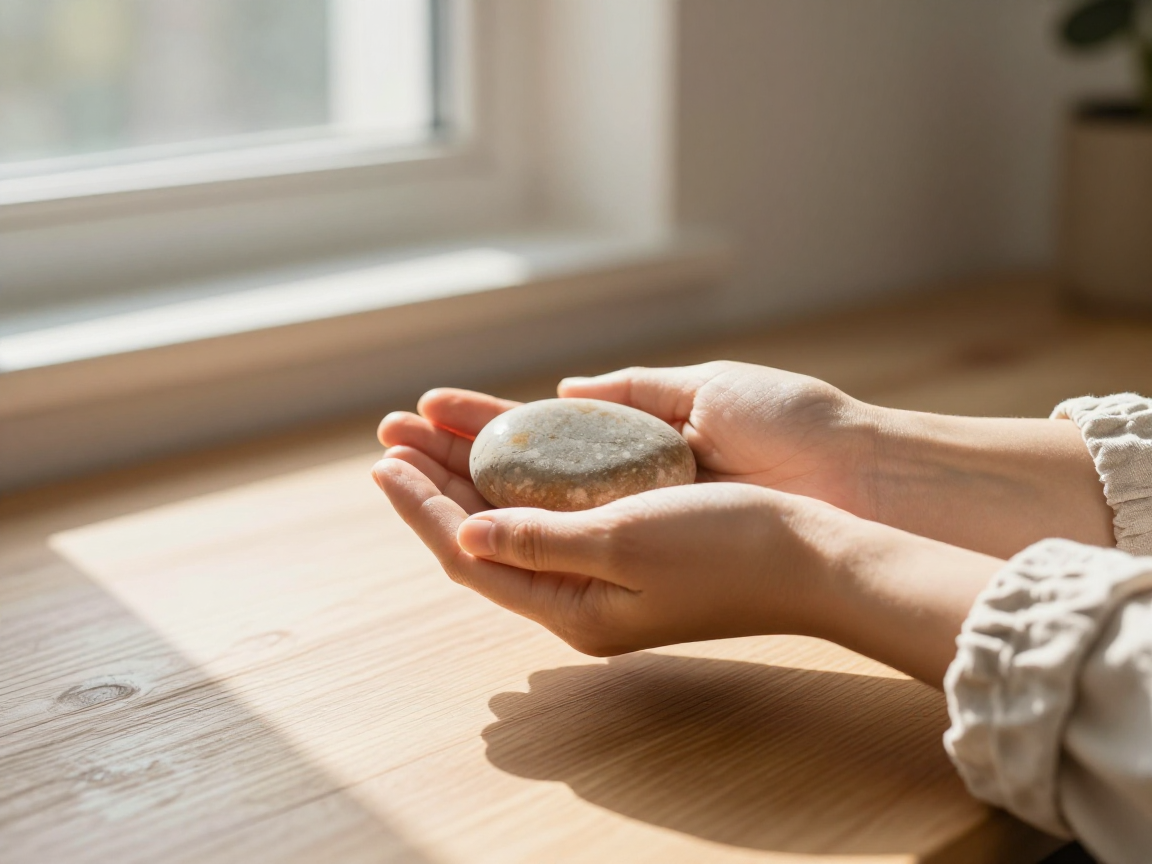
- A small stone, a piece of velvet, or a fidget toy with an interesting texture.
- An essential oil roller with a scent like lavender, bergamot, or sandalwood.
- A list of "safe place" visualizations written down on a card.
- A photograph of a person, pet, or place that makes you feel unconditionally safe.
Phase 4: Low-Stakes Practice
Practice these self soothing techniques when you are already calm. This builds the neural pathways necessary to make these actions reflexive. If you only try to use them during a crisis, your brain may associate the technique with the distress itself. By practicing while calm, you create a "muscle memory" of peace.
Distinguishing Between Soothing and Numbing
One common mistake in the journey of emotional regulation is confusing self-soothing with numbing or avoidance. While both might make you feel "better" in the short term, their long-term effects are vastly different and can actually hinder your emotional growth.
Numbing usually involves activities that check us out of our bodies and emotions. This includes mindlessly scrolling through social media for hours, binge-watching television to the point of exhaustion, or using substances to dull the pain. Numbing creates a barrier between you and your experience, but the underlying stress remains trapped in your system.
Self soothing techniques, on the other hand, are designed to help you "check in." They are active, intentional practices that help you stay present with your feelings without being consumed by them. The goal is not to stop feeling, but to create a safe container where those feelings can exist. If an activity leaves you feeling more disconnected, "fuzzy," or guilty, it is likely a numbing behavior. If it leaves you feeling more grounded, capable, and physically relaxed, it is a true soothing behavior.
Integrating Soothing into the Modern Lifestyle
Self-soothing is not just a reactive tool for moments of crisis; it is a proactive lifestyle. By incorporating small moments of regulation throughout your day, you can lower your baseline stress level, making you less likely to be triggered in the first place. This concept, often called "micro-dosing calm," involves taking 30-second breaks to reset the nervous system.
This might look like taking three deep, intentional breaths before opening your laptop in the morning. It could be the practice of feeling your feet on the floor while standing in line at the grocery store. It might be using a specific, calming scent every time you sit down to do deep work. These small acts of self-care aggregate over time, reinforcing the belief that you are worthy of comfort and that you have the agency to provide it for yourself.
Over time, consistent use of these self soothing techniques actually rewires the brain. Through neuroplasticity, you strengthen the pathways between the sensing body and the regulating brain. You begin to develop an internal sense of "home"—a place of safety that exists within you regardless of what is happening in the outside world. This self-reliance is the ultimate form of empowerment. It means that while you may not be able to control the chaos of the world, you can always control how you return to yourself.
As you begin this practice, be patient. Learning to regulate your own nervous system is a skill that takes time, especially if you grew up in an environment where your emotions were dismissed or where you were never taught how to self-regulate. Some days the techniques will work instantly; other days, they might only take the edge off. The key is to keep showing up for yourself with compassion. By providing yourself with the comfort and safety you need, you are affirming your own worth and building a foundation for a more peaceful, resilient life.