Beyond the Hype: What the Scientific Proof of Meditation Actually Reveals About Your Brain
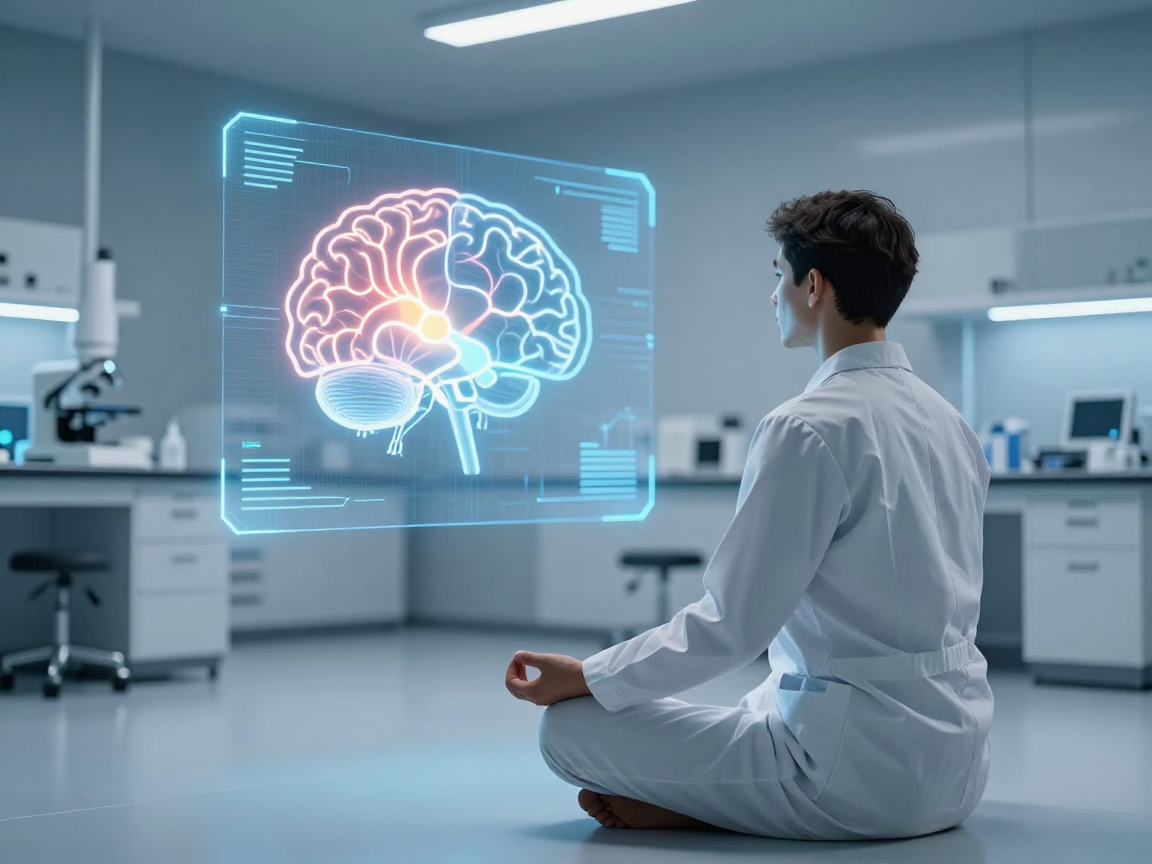
For centuries, meditation was the exclusive domain of monks, mystics, and those seeking spiritual enlightenment in secluded mountain retreats. To the Western clinical mind, it often appeared as a subjective, intangible practice that belonged more to the realm of philosophy than physiology. However, the last two decades have witnessed a seismic shift in how we understand the mind - body connection. With the advent of sophisticated neuroimaging technology and molecular biology, what was once considered "woo-woo" is now being mapped out in the lab with startling precision.
Today, the conversation has moved from "does it work?" to "how exactly does it change us?" This shift is driven by a growing body of peer-reviewed research that offers concrete scientific proof of meditation as a biological intervention. We are no longer just talking about feeling calmer or more relaxed. We are talking about visible changes in brain density, the length of our chromosomal caps, and the way our genes express themselves in response to stress. When we look at the hard data, it becomes clear that meditation is not just a psychological exercise - it is a fundamental tool for biological optimization.
The Neuroplasticity Revolution: How Meditation Rewires Brain Structure
One of the most profound pieces of scientific proof of meditation comes from the field of neuroplasticity - the brain's ability to reorganize itself by forming new neural connections throughout life. For a long time, scientists believed that the adult brain was relatively static. We now know that the brain is more like a muscle that responds to repeated exercise.
In a landmark study conducted at Harvard University, researcher Sara Lazar and her team used MRI scans to examine the brains of participants before and after an eight-week Mindfulness - Based Stress Reduction (MBSR) program. The results were groundbreaking. The researchers observed a significant increase in gray - matter density in the hippocampus, an area of the brain known for learning, memory, and emotional regulation. Conversely, they found a decrease in gray - matter density in the amygdala, the region responsible for the "fight or flight" response. This suggests that meditation literally shrinks the brain's fear center while strengthening the centers associated with cognitive control.
Thickening the Prefrontal Cortex
Beyond the amygdala, scientific proof of meditation points toward the thickening of the prefrontal cortex. This is the executive center of the brain - the part that handles complex decision - making, focus, and impulse control. Long - term meditators consistently show more folds in the outer layer of the brain (a process called gyrification), which is thought to allow the brain to process information faster and more efficiently. Essentially, the practice creates a more robust hardware system for the mind to operate on.
The Default Mode Network and the Monkey Mind
Have you ever noticed how your mind wanders to past regrets or future anxieties the moment you try to sit still? Neuroscientists call this the Default Mode Network (DMN), often referred to as the "monkey mind" . Research from Yale University has shown that meditation significantly decreases activity in the DMN. When the DMN is less active, we are less likely to engage in the repetitive, self - referential thoughts that lead to unhappiness and chronic stress. This provides a physiological explanation for why meditators report a greater sense of "being in the now" .
Cellular Health and Longevity: The Telomere Connection
Perhaps the most shocking scientific proof of meditation lies at the microscopic level, specifically within our DNA. Every strand of DNA is capped by protective ends called telomeres. Think of these like the plastic tips on shoelaces that prevent them from fraying. As we age and experience stress, these telomeres shorten. When they become too short, the cell can no longer divide and eventually dies. Telomere length is considered a primary marker of biological aging.
Research led by Nobel laureate Elizabeth Blackburn found that individuals who practice intensive meditation show increased activity in an enzyme called telomerase. This enzyme is responsible for repairing and lengthening telomeres. By reducing psychological stress and the inflammatory markers that degrade DNA, meditation may actually slow down the biological clock at a cellular level. This suggests that the benefits of a daily practice are not just mental - they are deeply integrated into the very mechanism of how our bodies age.
The Stress Response: More Than Just a Feeling
When we talk about stress, we often treat it as an abstract mood. However, in the laboratory, stress is measured by the presence of specific biomarkers, most notably cortisol. High levels of cortisol are linked to everything from weight gain and heart disease to impaired immune function.
There is extensive scientific proof of meditation regarding its ability to regulate the endocrine system. Studies have shown that even short - term meditation practice significantly lowers blood cortisol levels. By shifting the body from the sympathetic nervous system (fight or flight) to the parasympathetic nervous system (rest and digest), meditation allows the body to exit a state of high alert and enter a state of repair. This isn't just about feeling "chilled out" ; it is about preventing the systemic inflammation that leads to chronic disease.
5 Key Pillars of the Scientific Proof of Meditation
To understand the weight of the evidence, it helps to look at the specific domains where science has validated the practice. Here are five core frameworks through which researchers view the impact of meditation:
- Structural Plasticity: The physical growth of brain regions associated with memory and executive function.
- Functional Connectivity: Improved communication between the rational prefrontal cortex and the emotional amygdala, leading to better emotional resilience.
- Inflammatory Response: A marked reduction in pro - inflammatory cytokines, which are proteins linked to chronic illness and autoimmune issues.
- Hormonal Balance: The stabilization of the HPA (hypothalamic - pituitary - adrenal) axis, resulting in lower baseline cortisol levels.
- Attention Regulation: Enhanced ability to maintain focus on a single stimulus, which correlates with increased efficiency in the anterior cingulate cortex.
Common Misconceptions vs. Empirical Reality
Despite the mounting scientific proof of meditation, several myths persist that prevent people from starting. One common misconception is that you have to "empty your mind" for the practice to count. From a neurological perspective, this is not true. The "work" of meditation happens in the moment you realize your mind has wandered and you gently bring it back. That specific act is like a bicep curl for the brain. It is the repetitive effort of refocusing that strengthens the neural pathways associated with attention.
Another myth is that it takes years of practice to see results. While long - term meditators certainly show more dramatic brain changes, the scientific proof of meditation indicates that biological shifts happen remarkably fast. Some studies have shown measurable changes in immune function and brain activity after just five days of 20 - minute sessions. You do not need to be a Himalayan monk to reap the physiological rewards; you just need a consistent protocol.
A Science-Based Roadmap to Practical Results
If you want to apply this scientific proof of meditation to your own life, it is helpful to follow a structure that mimics the protocols used in clinical studies. Most successful research utilizes a consistent, time - bound approach.
- Consistency Over Duration: Research suggests that 10 to 15 minutes of daily practice is more effective for brain change than one hour - long session once a week. The brain requires frequent "dosing" to trigger neuroplasticity.
- Use Breath as an Anchor: Most clinical studies focus on breath awareness. This simple act engages the vagus nerve, which acts as a brake on the stress response.
- Observe Without Judgment: The key component in the Harvard and Yale studies was "non - judgmental awareness" . This means noticing a thought or sensation and simply labeling it without reacting emotionally. This specific technique is what helps disconnect the amygdala from the prefrontal cortex.
- Track Your Markers: While you may not have an fMRI at home, you can track biological indicators of success. Note your resting heart rate, your sleep quality, and your subjective levels of reactivity to daily stressors.
The Future of Contemplative Science
As we look forward, the scientific proof of meditation is beginning to influence mainstream medicine, education, and corporate culture. We are seeing "mindfulness - based interventions" being used to treat clinical depression, chronic pain, and PTSD with success rates that often rival or exceed traditional pharmacology. We are entering an era where mental hygiene is viewed with the same importance as physical dental hygiene.
The data is undeniable. Meditation is a biological necessity in an overstimulated world. By understanding the science, we can move past the idea that meditation is a luxury or a hobby. It is a fundamental method for maintaining the health of the most complex organ in the known universe - the human brain. Whether you are looking to improve your focus, lower your stress, or simply live a longer, healthier life, the evidence is clear: the path to a better body starts with a quiet mind.