Rewiring Your Nervous System: The Deep Physiological Benefits of Meditation You Can Actually Measure
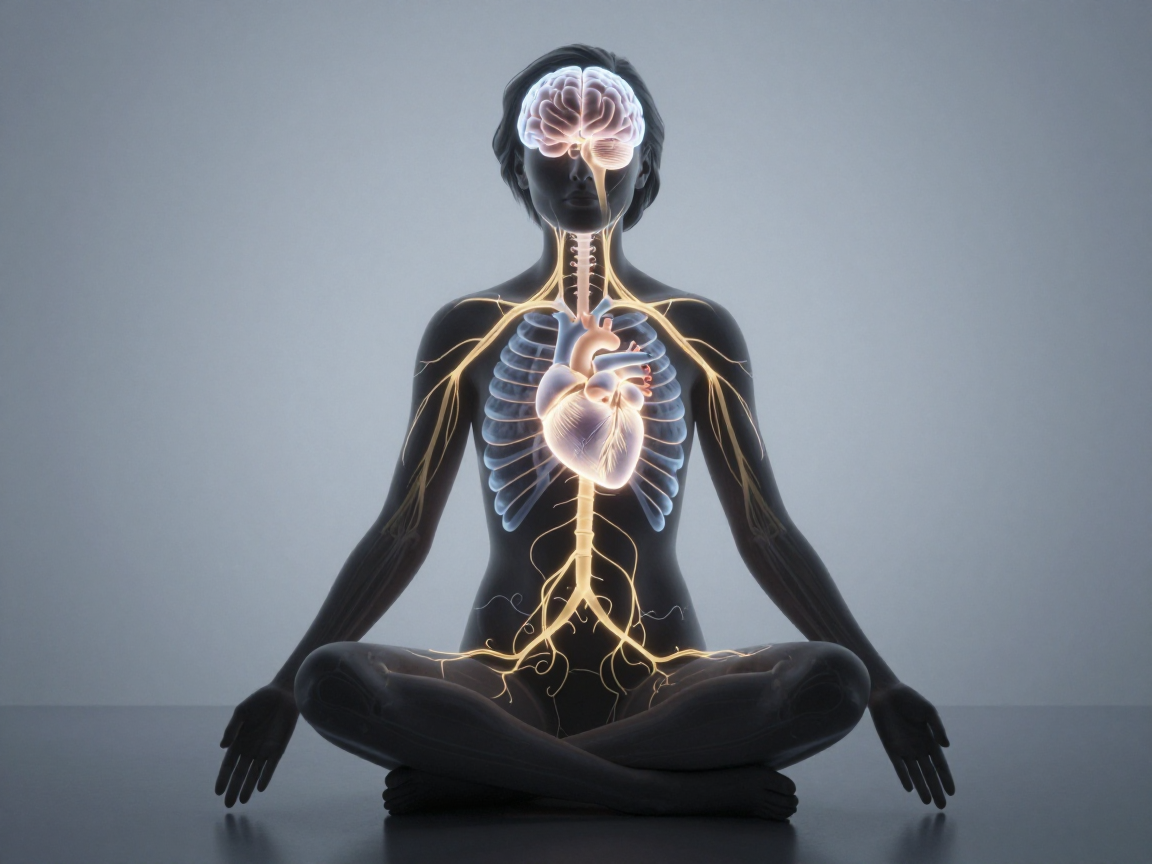
For a long time, meditation was categorized primarily as a spiritual or mental exercise, a way to find a bit of psychological breathing room in a crowded world. However, modern neuroscience and clinical biology have shifted that perspective entirely. We now know that when you sit in stillness, you are not just thinking differently - you are changing the physical chemistry and structure of your body. The physiological benefits of meditation are not just anecdotal; they are measurable, repeatable, and deeply transformative for the human nervous system.
Most of us spend our days in a state of low-grade chronic stress, with our sympathetic nervous system stuck in a loop of fight or cold survival. This state keeps our hearts beating faster than necessary, our digestion suppressed, and our bodies flooded with inflammatory markers. Meditation acts as a biological override. It provides a specific, physiological signal to the brain that the environment is safe, allowing the body to pivot from a state of defense to a state of repair. By understanding how these changes happen, we can move from viewing meditation as a chore to seeing it as an essential tool for physical longevity.
The Cortisol Cascade and the Stress Response
The most immediate of the physiological benefits of meditation is the downregulation of the HPA (hypothalamic - pituitary - adrenal) axis. This is the control center for your stress response. When you perceive a threat, the HPA axis triggers the release of cortisol, often called the stress hormone. While cortisol is necessary for waking up or dealing with immediate danger, chronic elevation of this hormone is toxic. It leads to weight gain, sleep disturbances, and a weakened immune system.
Research has consistently shown that regular meditation practitioners have lower baseline levels of cortisol. During a single session, the body begins to inhibit the production of these stress chemicals while simultaneously increasing the production of restorative neurochemicals like GABA and serotonin. This shift creates what researchers call the "relaxation response". Unlike sleep, which is a passive state, the relaxation response is an active physiological state that slows heart rate, decreases respiratory rate, and lowers the oxygen consumption of the body. This is a profound form of metabolic rest that allows the organs to recover from the wear and tear of daily life.
Cardiovascular Health and Heart Rate Variability
One of the most life-extending physiological benefits of meditation is its impact on the cardiovascular system. High blood pressure is a primary driver of heart disease, and meditation has been shown to be as effective as some lifestyle interventions in lowering both systolic and diastolic pressure. This happens because meditation relaxes the smooth muscles in the blood vessels, a process known as vasodilation, which allows blood to flow more freely without the heart having to pump as hard.
Beyond blood pressure, meditation significantly improves Heart Rate Variability (HRV). HRV is the measure of the time interval between heartbeats. A higher HRV is a sign of a resilient, healthy nervous system that can easily switch between stress and rest. A low HRV is associated with anxiety, heart failure, and chronic fatigue. By training the body to remain in a state of coherence, meditation strengthens the vagus nerve - the longest nerve in the body and the primary driver of the parasympathetic nervous system. A strong vagus nerve acts like a brake on the heart, ensuring that you don't stay in a state of high tension longer than necessary.
Structural Changes in the Brain: Neuroplasticity in Action
Perhaps the most fascinating aspect of the physiological benefits of meditation is how it physically reshapes the brain. This is known as neuroplasticity. We used to believe the adult brain was fixed, but we now know it is highly malleable. Through MRI scans, scientists have observed that long - term meditation leads to an increase in gray matter density in several key areas.
- The Prefrontal Cortex: This is the seat of executive function, logic, and emotional regulation. In meditators, this area becomes thicker, leading to better decision - making and impulse control.
- The Hippocampus: This region is vital for memory and learning. Meditation has been shown to increase volume here, protecting against age - related cognitive decline.
- The Amygdala: This is the brain's "alarm system", responsible for the fear response. Interestingly, in people who meditate regularly, the amygdala actually shrinks. This means the physical part of the brain that triggers panic becomes less reactive.
These are not just functional changes; they are structural. The brain of a regular meditator physically looks different from the brain of a non - meditator. This structural shift is why the mental benefits of meditation, such as increased focus and reduced anxiety, feel so permanent. You aren't just "trying" to be calm; you are working with a brain that is physically wired for it.
Fighting Inflammation and Strengthening Immunity
Chronic inflammation is the silent driver of most modern diseases, including autoimmune disorders, diabetes, and cancer. One of the less visible but most critical physiological benefits of meditation is its ability to modulate the immune system and reduce inflammatory markers like C - reactive protein and Interleukin - 6.
At a genetic level, meditation has been shown to influence gene expression. This field, known as epigenetics, suggests that while we cannot change our DNA sequence, we can change which genes are "switched on" or "off". Studies have found that meditation can suppress the genes responsible for the inflammatory response while activating genes that help with cellular repair and insulin secretion. This means that a daily practice can essentially act as an anti - inflammatory intervention at the cellular level, helping the body defend itself against illness more effectively.
The Longevity Link: Telomeres and Cellular Aging
If you want to understand the physiological benefits of meditation on aging, you have to look at telomeres. Telomeres are the protective caps at the end of our chromosomes. As we age, these caps naturally shorten. When they get too short, the cell can no longer divide and it dies. Stress is one of the primary accelerators of telomere shortening.
However, research suggests that meditation may actually slow this process. By reducing psychological stress and the chemical markers associated with it, meditation helps preserve the length of telomeres. Some studies even suggest that it can increase the activity of telomerase, the enzyme responsible for repairing and lengthening these protective caps. In essence, meditation provides a buffer against the biological clock, promoting cellular longevity and health span.
A 5-Step Framework for Physical Regulation
To bridge the gap between understanding the physiological benefits of meditation and experiencing them, you can use this simple framework to trigger your body's relaxation response. This sequence is designed to move you out of sympathetic dominance (stress) and into parasympathetic activation (recovery).
- The Biological Anchor: Sit or lie down and bring your awareness to the physical weight of your body. This signal tells the brain that you are not in motion and therefore not in danger.
- Extended Exhalation: Breathe in for a count of four, but breathe out for a count of six or eight. The long exhale is a direct message to the vagus nerve to slow down the heart rate.
- Peripheral Awareness: Soften your gaze or close your eyes. Relax the muscles around the eyes and jaw. These areas are high - density zones for stress signals; relaxing them can "trick" the nervous system into a state of safety.
- Body Scanning: Systematically move your attention from your toes to your head. Identifying and releasing micro - tensions in the muscles further reduces the physical feedback loop of stress.
- Stillness Duration: Aim for at least ten minutes. While the brain begins to change quickly, the deeper physiological benefits of meditation, like blood pressure reduction, often require a sustained period of low oxygen consumption.
Why Consistency Matters for Physical Transformation
While a single session of meditation can lower your heart rate and improve your mood, the true physiological benefits of meditation are cumulative. Think of it like physical exercise. One workout won't change your muscle structure, but six months of training will. The same is true for the nervous system.
As you practice daily, your body builds a higher "vagal tone". This means you become better at recovering from stress when it does happen. Instead of your cortisol levels staying high for hours after a frustrating meeting, they may return to baseline in minutes. This resilience is the ultimate physical reward of meditation. You aren't just escaping the world; you are building a body that is better equipped to handle it.
By prioritizing the physiological benefits of meditation, we recognize that our physical and mental health are not two separate entities. Every breath you take in stillness is a signal of health that resonates through your cardiovascular system, your immune cells, and your very DNA. Meditation is a profound act of biological maintenance that ensures your body remains a calm, resilient, and high - functioning vessel for your life.