The Dark Mirror of Healing: How the Nocebo Effect Creates Real Pain from Expectation
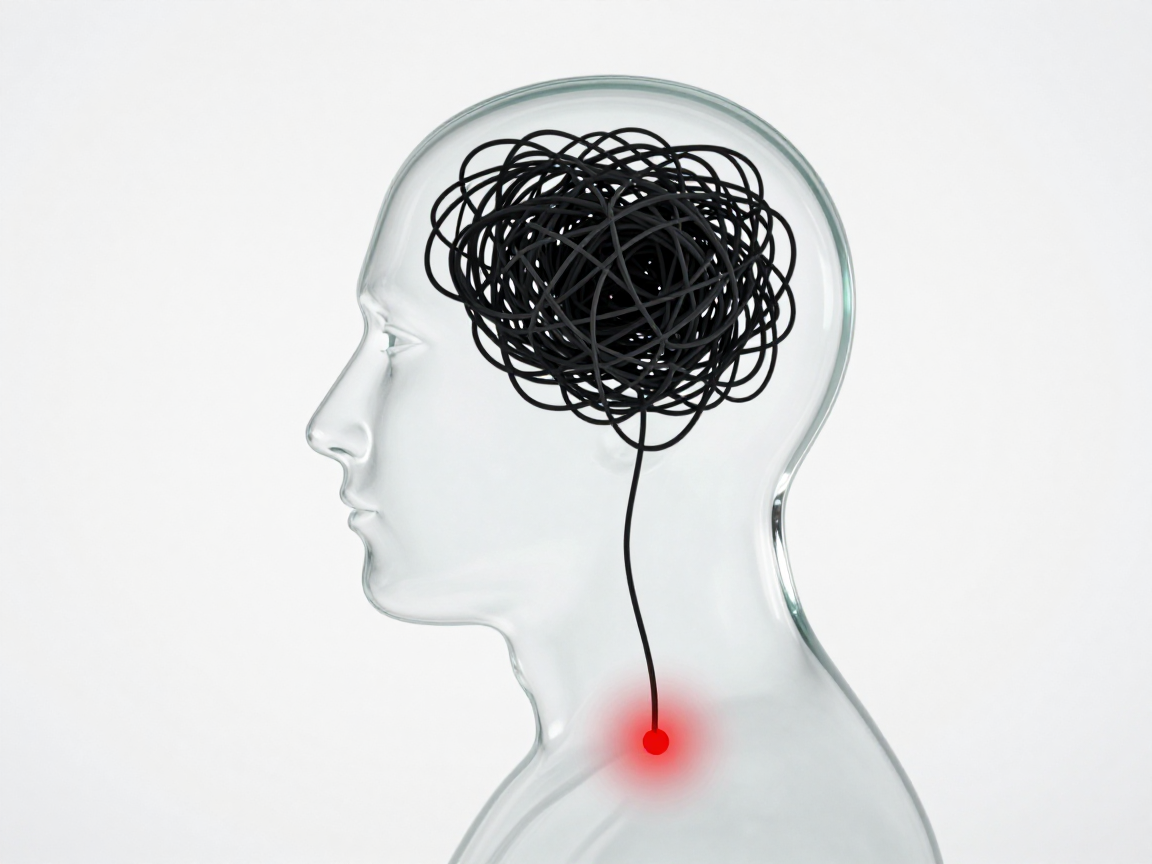
Most of us are familiar with the placebo effect - the remarkable phenomenon where a person's health improves after taking a sugar pill or undergoing a sham treatment, simply because they believe they are receiving medicine. It is a testament to the power of the mind over the body. However, there is a darker, less discussed counterpart that is just as powerful and potentially far more damaging. This is known as the nocebo effect, a process where negative expectations result in the actual experience of negative symptoms or a worsening of a condition.
While the placebo effect heals, the nocebo effect harms. It occurs when a patient's anticipation of a side effect, a fear of a diagnosis, or even a doctor's poorly chosen words triggers real, physiological distress. This is not just a case of "all in your head". The symptoms produced by the nocebo effect are objectively measurable, involving complex neurochemical pathways that can turn a harmless suggestion into a debilitating physical reality. Understanding this phenomenon is essential for anyone navigating the modern healthcare system, as it reveals how our environment and our assumptions shape our biological destiny.
Understanding the Nocebo Effect: When Belief Becomes a Burden
The term "nocebo" comes from the Latin, meaning "I shall harm". It was first coined in the 1960s to distinguish the negative outcomes of suggestion from the positive ones associated with placebos. While a placebo might lower blood pressure through the release of dopamine and endorphins, the nocebo effect does the opposite. It often activates the body's stress response, releasing cortisol and a peptide called cholecystokinin (CCK), which facilitates pain transmission and increases anxiety.
Imagine a patient being prescribed a common medication for high blood pressure. If the doctor says, "A small percentage of people experience severe nausea with this", the patient is far more likely to feel nauseous than if the doctor had said nothing. In clinical trials, it is common for participants in the control group - those taking nothing but a starch pill - to report a wide range of side effects, from headaches and fatigue to skin rashes. These symptoms are not imaginary; they are the physical manifestation of the nocebo effect, driven by the participants' expectations of what might go wrong.
This phenomenon creates a profound challenge for the medical community. To respect patient autonomy, doctors must provide informed consent, which involves listing potential risks. However, the act of listing those risks can itself trigger the very symptoms the patient is warned about. This creates a psychological feedback loop where the fear of the treatment becomes as burdensome as the illness itself.
The Power of Framing: How Words Shape Biological Reality
The way information is presented to us determines how our nervous system processes it. This is known as framing. Research has shown that the nocebo effect is highly sensitive to the specific language used by healthcare providers. A study involving women in labor found that when the anesthesiologist said, "We are going to give you a local anesthetic that will numb the area so you will be comfortable", the women reported less pain than those who were told, "You are going to feel a big sting and a burn".
In both cases, the physical procedure was identical. The difference was the framing. The first group was primed for comfort, while the second group was primed for pain. This priming effect extends beyond the doctor's office. Think about how you feel when you read the long list of warnings on a pill bottle or when you search for symptoms online. The "Dr. Google" phenomenon is a major driver of the nocebo effect, as users often find the most catastrophic possibilities, which then begin to manifest as psychosomatic tension.
The Role of Social Contagion
The nocebo effect is not limited to individual experiences; it can spread through groups like a virus. This is often referred to as sociogenic illness or social contagion. When one person in a workplace or a school reports a strange smell and subsequent dizziness, others often begin to feel the same symptoms, even if no toxic substance is ever found. The expectation that an environment is harmful creates a collective nocebo effect that can lead to mass hysteria and emergency room visits.
In the digital age, this contagion is amplified by social media. When stories about the supposed dangers of new technologies - such as 5G towers or wind turbines - go viral, people living near them often begin to report headaches, insomnia, and anxiety. While these symptoms are real, they are frequently the result of the nocebo effect triggered by terrifying narratives rather than the technology itself.
Why the Brain Chooses the Negative
From an evolutionary perspective, the nocebo effect may have served a purpose. Our ancestors needed to be hyper-aware of potential threats. If a neighbor ate a certain berry and became ill, the mere sight of that berry should trigger a physical aversion or a heightened sensitivity to discomfort. This "threat detection" system is hardwired into our survival circuitry. However, in the modern world, where we are bombarded with information about risks and diseases, this system is often overactive.
Neurobiologically, the nocebo effect is linked to the hippocampus and the amygdala, the brain's centers for memory and fear. When we anticipate pain, these areas signal the prefrontal cortex to pay closer attention to physical sensations. Normal, everyday "noise" from the body - a slight twitch, a dull ache, a minor fluctuation in heart rate - is then interpreted as a sign of trouble. Once the brain decides that a sensation is a threat, it amplifies the signal, turning a minor discomfort into a significant symptom.
The Cognitive Shielding Protocol: 5 Ways to Minimize the Nocebo Effect
You do not have to be a passive victim of your expectations. By understanding how the nocebo effect works, you can build a cognitive shield to protect your physical well-being. Here is a framework for managing negative suggestions and reclaiming control over your body's responses.
- Practice "Positive Informed Consent"
When discussing a new treatment with your doctor, ask them to frame the information in terms of the "95% of people who do not experience side effects" rather than the "5% who do". This simple shift in framing reduces the mental weight of the negative outcome. You are still informed, but your brain is not primed for disaster.
- Contextualize Your Online Research
If you must look up medical information, do so with the awareness that search engines prioritize high-engagement, often alarming content. Remind yourself that reading about a symptom is not the same as having a diagnosis. Use reputable sources that provide statistical context, such as the actual frequency of rare complications, to ground your expectations in reality.
- Re-Label Physiological Sensations
When you feel a sensation after starting a new medication or habit, try to label it neutrally. Instead of saying, "This pill is making me feel sick", try saying, "My body is adjusting to a new substance". By avoiding catastrophic language, you prevent the release of cholecystokinin, which can dampen the intensity of the sensation.
- Audit Your Social Influences
Be mindful of the health "scares" shared in your social circle or on your feed. If a group is constantly discussing how certain foods or environments are "toxic", recognize that this constant exposure can prime you for a nocebo response. Distance yourself from chronic complainers or alarmists when your own health is a concern.
- Focus on the Active Mechanism of Healing
When taking a supplement or medication, spend a moment thinking about how it is helping your body. Focus on the mechanism of action - for example, "This medication is relaxing my blood vessels". Shifting your focus from what might go wrong to what is going right encourages the placebo response, which can actively counteract the nocebo effect.
The Clinical Dilemma: Why Doctors Are Changing Their Speech
The medical community is increasingly aware of the ethical minefield created by the nocebo effect. If a doctor knows that describing a side effect will cause 10% of patients to experience it, is it ethical to describe it? On the other hand, if they do not describe it, they violate the principle of informed consent. This has led to the development of new communication strategies.
Some practitioners now use a technique called "authorized concealment", where they ask the patient, "Do you want to know all the rare and minor side effects, or would you prefer I only tell you about the ones that require urgent action?" This gives the patient the choice to protect themselves from the nocebo effect. Others focus on "affective communication", building a strong, trusting rapport with the patient. When a patient feels safe and cared for, their levels of cortisol drop, making them less susceptible to the negative power of suggestion.
Reclaiming the Power of Expectation
The nocebo effect is a sobering reminder that our bodies do not exist in a vacuum. We are deeply influenced by the stories we tell ourselves and the information we consume from the world around us. Pain is not just a matter of nerves and tissues; it is a complex construction influenced by our history, our fears, and our environment.
By becoming aware of the nocebo effect, we gain a significant advantage. We can begin to see side effects for what they often are - echoes of our own anxiety. We can choose to frame our health journey through the lens of resilience rather than vulnerability. Ultimately, the goal is not to ignore potential risks, but to prevent those risks from becoming self-fulfilling prophecies. Your mind is a powerful architect of your reality; make sure it is building a structure of health rather than a cage of fear.