Why Your Brain Never Stops Changing: Neuroplasticity Explained for Growth and Healing
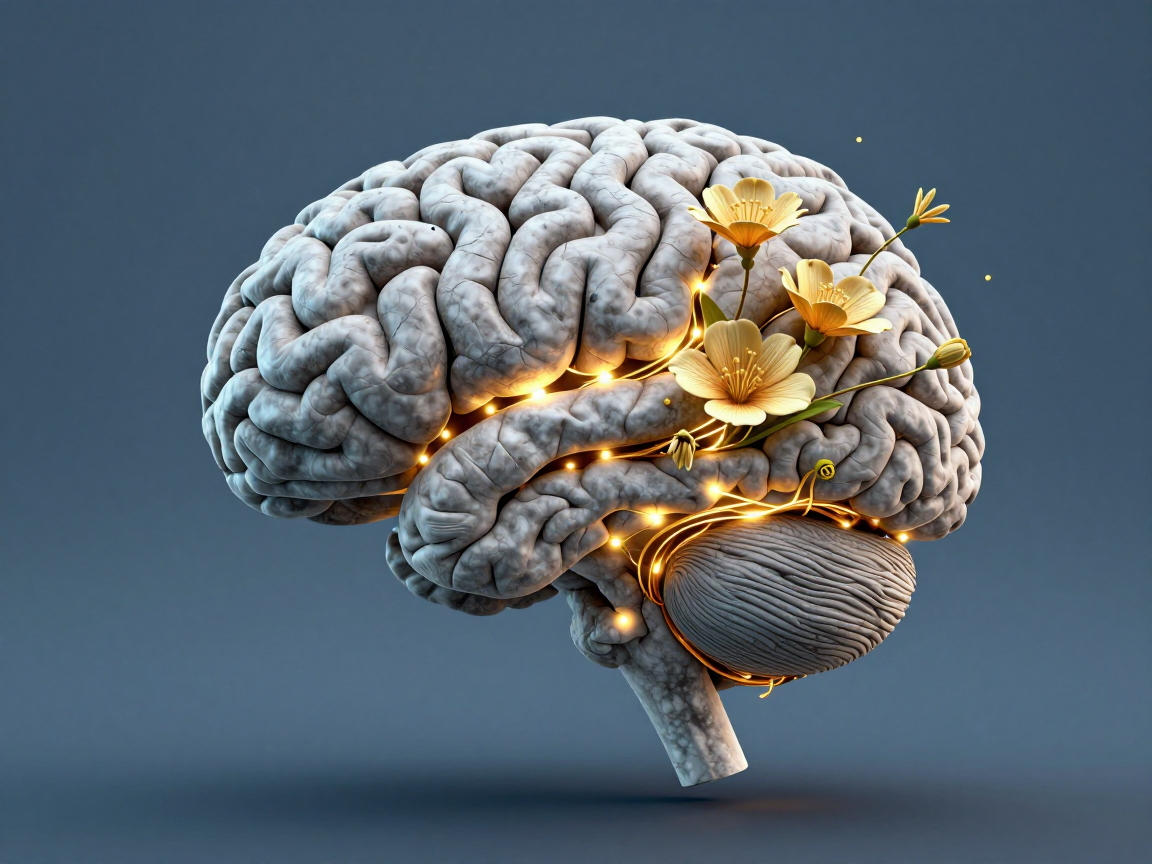
For decades, the scientific community operated under a rigid assumption: the adult brain was a finished product. We believed that once you reached a certain age, your neural circuitry was fixed, and your cognitive abilities were destined for a slow, inevitable decline. If you were a certain way - anxious, forgetful, or stuck in a specific skill set - that was simply your lot in life. However, modern neuroscience has shattered this static view, revealing a reality that is far more dynamic and hopeful.
This shift is centered on the concept of neuroplasticity. At its core, neuroplasticity is the brain's ability to reorganize itself by forming new neural connections throughout life. It is the physical process by which our experiences, thoughts, and behaviors literally reshape the architecture of our minds. In this guide to neuroplasticity explained, we will look at how this process works and, more importantly, how you can harness it to change your life for the better.
The Myth of the Hardwired Brain
To appreciate the power of neuroplasticity, we must first understand what it replaced. The old model of the brain was likened to a computer - hardware that was assembled during childhood and then remained unchanged. We were told that we were born with a finite number of neurons and that once they were lost, they were gone forever. This led to a fatalistic view of mental health and personal development. If you had a learning disability or a traumatic history, you were considered "broken" in a way that could not be fully repaired.
We now know that the brain is more like a living, breathing garden than a piece of hardware. It is constantly pruning what is no longer needed and growing new shoots where there is demand. This flexibility allows us to learn new languages in our sixties, recover from strokes, and break free from deep - seated emotional patterns. The brain is not fixed; it is plastic, meaning it is malleable and responsive to the environment and our internal focus.
Neuroplasticity Explained: The Mechanics of Change
How does a physical organ change its structure based on an abstract thought or a new habit? Neuroplasticity occurs at several levels, from individual chemical signals to the reorganization of entire cortical maps. There are two primary types of plasticity that define how we adapt to the world.
Synaptic Plasticity
This is the most common form of neuroplasticity and happens at the microscopic level. Every time you think a thought or perform a task, a signal travels across a synapse (the gap between neurons). If you repeat that thought or task frequently, the connection between those neurons becomes stronger. This is often summarized by the famous phrase, "Neurons that fire together, wire together". Conversely, when we stop using a certain pathway, the connection weakens - a process called synaptic pruning. This is the biological reality behind the "use it or lose it" principle.
Structural Plasticity
While synaptic plasticity involves the strength of the connection, structural plasticity involves actual physical changes in the brain's shape. Research has shown that intensive learning can lead to an increase in the volume of specific brain regions. A famous study of London taxi drivers found that their hippocampi - the area of the brain responsible for spatial navigation - physically grew larger as they memorized the complex map of the city. This proves that our activities can dictate the physical landscape of our gray matter.
The Role of Neurogenesis
For a long time, it was believed that adults could not grow new neurons. We now know that neurogenesis - the birth of new brain cells - occurs throughout adulthood, particularly in the hippocampus. While we may not grow billions of new cells daily, the addition of even a few thousand can have a profound impact on our mood, memory, and ability to manage stress. Factors like aerobic exercise, quality sleep, and a diet rich in antioxidants have been shown to support this process, while chronic stress and high sugar intake can inhibit it.
The 4 Pillars of Intentional Rewiring
Understanding neuroplasticity is one thing; using it is another. If you want to change a habit, learn a skill, or shift your mindset, you must provide the brain with the right conditions for change. Use this framework to turn neuroplasticity from a theory into a practice.
- Focus and Attention
Attention is the chemical gateway to neuroplasticity. When we focus intensely on a task, the brain releases acetylcholine, a neurotransmitter that marks the specific neurons for change. Without focused attention, the brain simply processes information without storing it or altering its structure. This is why multi - tasking is the enemy of growth.
- Repetition and Consistency
A single session of practice is not enough to create a lasting neural pathway. Think of it like walking through a field of tall grass. The first time you walk through, you barely leave a mark. If you walk the same path every day, eventually, a clear trail forms. Repetition tells the brain that this specific sequence of firing is important and worth "hardwiring".
- Emotional Resonance
The amygdala, the brain's emotional center, plays a massive role in what we remember and how we change. High - stakes situations or tasks that carry deep emotional meaning are more likely to trigger neuroplasticity. This is why we remember traumatic events so vividly, but it can also be used for good. When you attach a strong positive "why" to your goals, you accelerate the rewiring process.
- Periods of Deep Rest
Contrary to popular belief, the actual rewiring of the brain does not happen while you are practicing or learning. It happens while you sleep. During deep sleep and periods of profound rest, the brain consolidates the day's experiences and strengthens the new synaptic connections. If you are sleep - deprived, you are effectively blocking your brain's ability to adapt.
Using Plasticity to Heal Traumatic Patterns
One of the most profound applications of neuroplasticity is in the realm of mental health and trauma. Trauma often leaves the brain stuck in a state of hyper - vigilance, where the "survival" circuits are overactive. For years, we thought this was a permanent change. However, through intentional practice - such as mindfulness, cognitive behavioral therapy, and somatic experiencing - individuals can prune these fear - based pathways and strengthen the pathways associated with calm and regulation.
It is important to note that neuroplasticity is a "neutral" mechanism. It doesn't distinguish between "good" habits and "bad" ones. It simply responds to what you do most often. Chronic worry is a form of neuroplasticity; you are effectively training your brain to be an expert at finding things to worry about. Healing involves a conscious decision to stop feeding those old pathways and to begin the difficult work of carving out new ones.
Checklist: Daily Habits to Support Your Brain's Evolution
To keep your brain plastic and resilient, consider integrating these evidence - based habits into your routine:
- Seek Novelty: Try a new hobby, walk a different route to work, or read a book in a genre you usually avoid. Novelty triggers the release of dopamine, which facilitates learning.
- Prioritize Sleep: Aim for 7 to 9 hours of quality rest to allow for neural consolidation.
- Engage in Aerobic Exercise: Physical movement increases Brain - Derived Neurotrophic Factor (BDNF), often called "Miracle - Gro for the brain".
- Practice Mindfulness: Just ten minutes of meditation a day has been shown to increase gray matter density in the prefrontal cortex.
- Challenge Your Beliefs: Actively seeking out information that contradicts your current worldview forces the brain to build new bridges between concepts.
- Stay Social: Complex social interactions are one of the most demanding and rewarding tasks for a human brain.
The Long Road to Change
It is easy to get excited about the idea of "rewiring your brain", but it is essential to remain realistic about the timeline. Structural change takes time. Many people give up on a new habit or a healing journey because they don't see results in the first week. They assume their brain is "fixed" and that change isn't possible for them.
In reality, the biological process is happening beneath the surface long before you feel the results. Every time you choose a new response over an old one, you are making a physical deposit into a new neural account. Consistency is the currency of the plastic brain. By understanding neuroplasticity explained through both science and practice, you can stop fighting against your nature and start working with the incredible potential of your biology.
Your brain is not a static machine; it is a work in progress. It is a reflection of where you have been, but it is not a prison sentence for where you are going. With the right focus, effort, and rest, you can literally change your mind.