Beyond the Fixed Mind: 9 Essential Neuroplasticity Exercises to Rewire Your Brain for Focus and Resilience
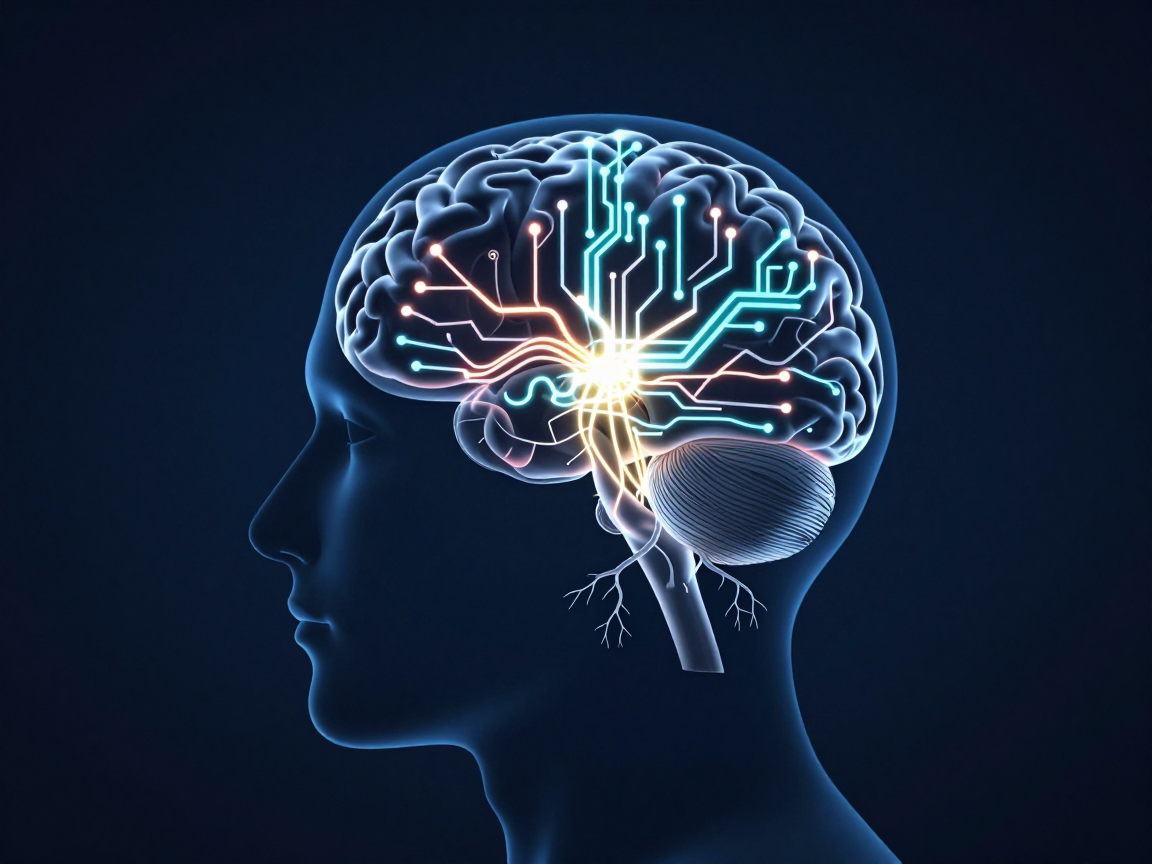
For decades, the scientific community operated under the assumption that the adult brain was a static organ. The prevailing theory suggested that once you reached adulthood, your neural pathways were essentially set in stone, and any loss of cognitive function was an irreversible slide toward decline. We were told that we were born with a fixed number of neurons and that was the extent of our potential. However, the discovery of neuroplasticity—the brain’s remarkable ability to reorganize itself by forming new neural connections throughout life—has completely upended this narrative. It turns out that your brain is less like a hard drive and more like a garden. It is constantly being shaped by your experiences, your environment, and, most importantly, your intentional actions.
This shift in understanding is not just academic; it is deeply personal. It means that the habits that feel like a part of your identity, the "brain fog" you might feel in the afternoon, or the way you react to stress are not permanent fixtures. By engaging in specific neuroplasticity exercises, you can actively participate in the physical remodeling of your own mind. Whether you are looking to recover from an injury, sharpen your focus, or simply break free from a cycle of negative thinking, understanding how to "drive" your brain’s adaptive nature is the first step toward a more resilient and capable self.
The Biological Machinery of Change
To understand why neuroplasticity exercises work, we have to look at what is happening at the microscopic level. Every thought you have and every action you take travels through a network of neurons. When you repeat a behavior, the connection between those specific neurons strengthens. This is often summarized by Hebb’s Law: "Neurons that fire together, wire together." Conversely, when we stop using a certain pathway, the brain eventually prunes it away to save energy, a process known as synaptic pruning.
Neuroplasticity happens in two primary ways: functional and structural. Functional plasticity is the brain’s ability to move functions from a damaged area to an undamaged area. Structural plasticity is the brain’s ability to actually change its physical structure as a result of learning. When you engage in new and challenging activities, you aren’t just "practicing"; you are physically thickening the gray matter in specific regions of your brain and increasing the integrity of the white matter that allows different sections of the brain to communicate.
Another critical component is myelin. Myelin is a fatty substance that wraps around axons, acting as insulation. The more you practice a specific skill, the more myelin wraps around that neural circuit, allowing signals to travel faster and more efficiently. This is why a professional pianist doesn't have to think about where their fingers go; the circuit is so heavily myelinated that the action is nearly instantaneous. This growth happens at the edge of your comfort zone. If an activity is too easy, the brain has no reason to adapt.
9 Essential Neuroplasticity Exercises for Daily Growth
If you want to remodel your neural architecture, you need to provide the brain with novelty and challenge. The following neuroplasticity exercises are designed to stimulate different regions of the brain, from the motor cortex to the prefrontal cortex, encouraging the growth of new synapses.
1. Use Your Non-Dominant Hand
This is one of the simplest yet most effective neuroplasticity exercises for beginners. If you are right-handed, try brushing your teeth, eating your morning cereal, or using your computer mouse with your left hand. Because this requires intense focus and breaks a deeply ingrained habit, it forces the brain to create new connections between the left and right hemispheres. It feels frustrating at first, but that frustration is actually the feeling of your brain working to build a new pathway.
2. Learn a Musical Instrument
Playing an instrument is a full-body workout for the brain. It requires the integration of visual information (reading music), fine motor skills (moving fingers), and auditory feedback (listening to the notes). Research shows that learning an instrument can increase the volume of the corpus callosum—the bridge of fibers connecting the two halves of the brain—allowing for faster and more efficient communication between different regions.
3. Take the "Wrong" Way Home
Routine is the enemy of neuroplasticity. When you drive the same route to work every day, your brain essentially goes on autopilot. To stimulate your spatial navigation and memory centers, take a different route. Better yet, try to navigate to a new destination without using a GPS. This forces your brain to build a mental map and pay closer attention to your surroundings, which engages the hippocampus, the area of the brain responsible for memory and learning.
4. Read Fiction Regularly
While non-fiction is great for information, fiction is incredible for the brain. When you read a compelling story, your brain doesn't just process the words; it simulates the experiences of the characters. Studies have shown that reading fiction increases connectivity in the left temporal cortex, an area associated with language and sensory processing. This "embodied cognition" helps keep the brain flexible and improves empathy.
5. Learn a New Language
Bilingualism is perhaps one of the most powerful neuroplasticity exercises available. Learning a new language involves memorizing vocabulary, mastering new grammar rules, and practicing unfamiliar sounds. This complexity increases the density of gray matter and improves executive function. Interestingly, the benefits of language learning apply regardless of how old you are when you start.
6. Mnemonic Devices and Memory Palaces
Most of us rely on our phones to remember everything from phone numbers to grocery lists. By reclaiming the act of memorization, you can strengthen your neural circuits. Using mnemonic devices—like "Roy G. Biv" for the colors of the rainbow—or building a "Memory Palace" (visualizing items in a familiar room) forces the brain to create complex associations. These exercises enhance the working memory and prevent cognitive stagnation.
7. Play Challenging Strategy Games
Not all games are created equal. Scrolling mindlessly through a social media feed is a passive activity that offers little benefit. However, strategy games like chess, complex puzzles, or even certain video games that require quick decision-making and spatial awareness can be excellent neuroplasticity exercises. The key is that the game must get progressively harder as you improve, maintaining a state of "desirable difficulty."
8. Practice Visualization
The brain often has trouble distinguishing between a real event and a vividly imagined one. Studies have shown that when people "mentalize" or visualize themselves performing a physical task—like playing a piano scale or shooting a basketball—the same regions of the brain are activated as if they were actually doing it. Spending ten minutes a day visualizing a new skill or a positive behavior can prime your neural pathways for the real thing.
9. Engage in Environmental Enrichment
Our brains are highly sensitive to our surroundings. A "stale" environment leads to a stale mind. To keep your brain agile, change your environment frequently. Rearrange your furniture, visit a new museum, or spend time in nature. Exposure to new sights, sounds, and smells provides the brain with a constant stream of novel data to process, which encourages the growth of new dendrites.
The Role of Movement and Sleep in Brain Rewiring
While cognitive neuroplasticity exercises are vital, they do not exist in a vacuum. Your brain's ability to rewire itself is heavily dependent on your physiological state. Aerobic exercise, for instance, triggers the release of a protein called Brain-Derived Neurotrophic Factor (BDNF). Scientists often refer to BDNF as "Miracle-Gro" for the brain because it supports the survival of existing neurons and encourages the growth of new ones. A brisk 30-minute walk can create a "window of plasticity" where your brain is more receptive to learning new things.
Sleep is the other non-negotiable pillar. It is during sleep that the brain consolidates what you have learned throughout the day. While you are resting, your brain is busy strengthening the new neural connections you stimulated during your exercises and clearing out metabolic waste. Without adequate sleep, the "cement" of your new neural pathways never truly sets. If you are trying to learn a new skill or break a habit, your progress will be significantly hampered if you are chronically sleep-deprived. During the REM stage of sleep, the brain is particularly active in processing emotional experiences and complex learning, making a full night's rest as important as the practice itself.
A Framework for Integrating Neuroplasticity into Your Life
To see real results, you cannot treat these exercises as a one-off novelty. You must approach them with the same consistency you would a gym routine. Use the following framework to ensure your efforts lead to lasting structural change.
The Neuro-Growth Action Plan
- Identify Your Target: What area of your life needs improvement? Is it memory, emotional regulation, or a physical skill? Choose exercises that target the specific brain regions associated with those goals.
- The 20-Minute Rule: You do not need hours of practice. Research suggests that 20 minutes of deep, focused effort is enough to trigger the neuroplastic response. High-intensity focus is the signal that tells the brain "this information is important."
- Embrace the Struggle: If an exercise feels easy, you aren't growing. The feeling of being "clumsy" or "confused" is a biological marker that you are pushing the boundaries of your current neural architecture. Don't shy away from it.
- Stack the Habits: Pair a neuroplasticity exercise with an existing habit. For example, use your non-dominant hand while you drink your morning coffee, or practice visualization while you are on the bus.
- Audit Your Inputs: Reduce passive consumption. Every hour spent mindlessly watching television is an hour the brain is not being challenged. Replace one passive habit with one active brain exercise.
Embracing the Journey of the Adaptive Mind
The most exciting aspect of neuroplasticity is the realization that we are not victims of our biology or our past. We are active participants in the ongoing creation of our minds. Every time you choose to do something differently—every time you challenge a thought, learn a skill, or explore a new place—you are physically altering the organ that creates your reality.
As you begin your journey with neuroplasticity exercises, remember to be patient with yourself. Rewiring a brain that has spent decades thinking and acting in certain ways takes time. There will be days when it feels like nothing is changing, but beneath the surface, the neurons are firing, the synapses are reaching out, and the "garden" of your mind is being tilled. By providing your brain with the right challenges, the necessary nutrients, and the essential rest, you are opening the door to a lifetime of cognitive growth and emotional flexibility. The brain you have today does not have to be the brain you have tomorrow. What will you do today to start the rewiring process?