Rewiring the Wired Brain: A Deep Dive into the Neurobiology of Meditation
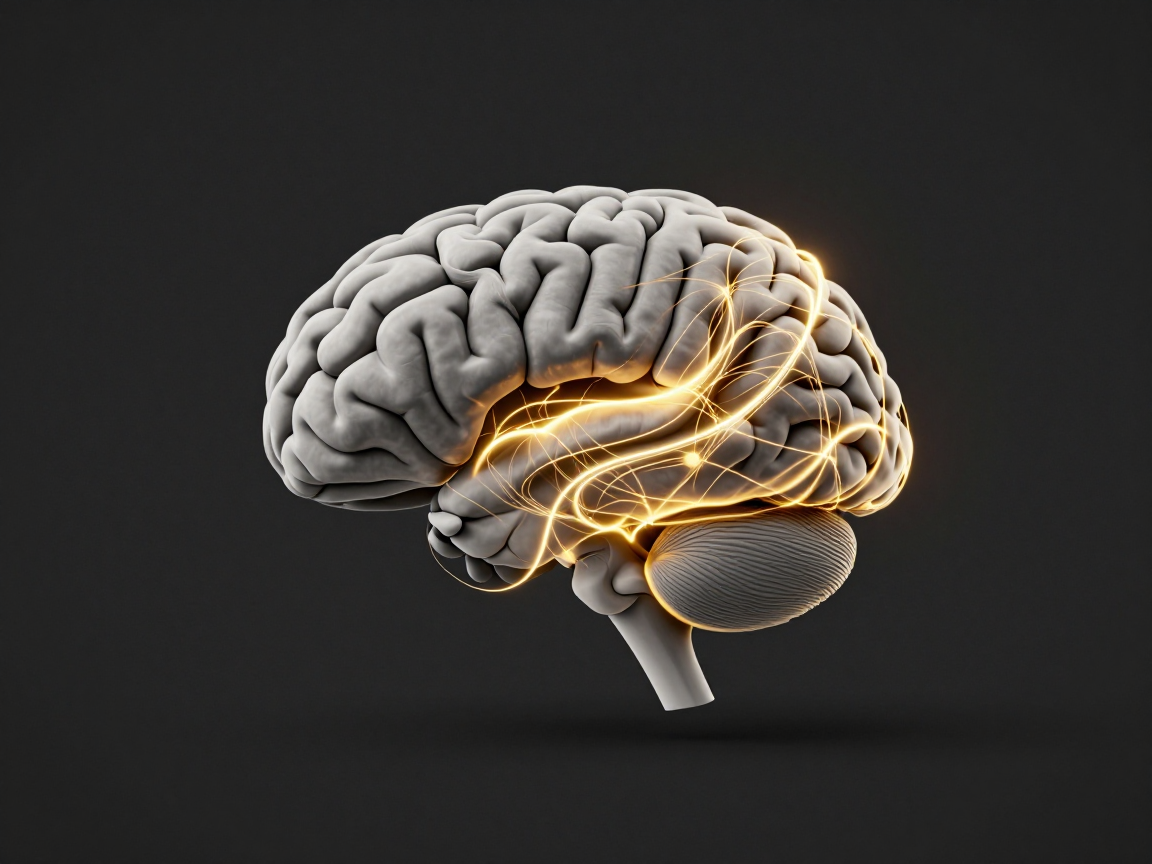
For decades, meditation was often dismissed by the Western scientific establishment as a subjective, mystical practice with little measurable impact on physical health. However, the advent of sophisticated neuroimaging technologies - such as functional Magnetic Resonance Imaging (fMRI) and Diffusion Tensor Imaging (DTI) - has completely shifted this narrative. We are no longer guessing about the benefits of sitting in silence. We can now see the neurobiology of meditation in real - time, observing how the brain physically reshapes itself in response to consistent practice.
This phenomenon is rooted in neuroplasticity, the brain's remarkable ability to form new neural connections and prune away old ones throughout life. When we engage in mindfulness or contemplative practices, we are not just relaxing the body; we are performing a targeted workout for the mind. This process leads to structural and functional changes that can fundamentally alter how we perceive the world, manage stress, and interact with our own thoughts. To understand why this ancient practice is so effective, we must look closely at the specific regions and networks that define the neurobiology of meditation.
The Physical Architecture: How Meditation Changes Brain Structures
One of the most striking findings in modern neuroscience is that meditation can actually change the physical density of specific brain regions. A landmark study led by Sara Lazar at Harvard University demonstrated that just eight weeks of Mindfulness-Based Stress Reduction (MBSR) could lead to measurable increases in gray matter density. Gray matter contains the cell bodies of our neurons, and its density is often associated with the processing power and efficiency of a particular brain area.
In these studies, the prefrontal cortex - the area of the brain responsible for executive functions like decision - making, planning, and focus - showed significant thickening. This suggests that the neurobiology of meditation enhances our "top - down" control, allowing us to stay present and composed even when external circumstances are chaotic. Conversely, the amygdala, which acts as the brain's "alarm system" or threat detector, has been shown to decrease in cell density. As the amygdala shrinks, its reactivity to stress diminishes, meaning we are less likely to fall into a state of panic or "fight or flight" when faced with a minor inconvenience.
Beyond these two key areas, the hippocampus also shows increased activity and volume in long - term meditators. This region is vital for learning, memory, and emotional regulation. By strengthening the hippocampus while quieting the amygdala, meditation creates a neural environment where we can process emotions through a lens of logic and memory rather than raw, unbridled fear.
Quieting the Monkey Mind: The Default Mode Network
If you have ever tried to meditate, you know that the mind has a frustrating tendency to wander. This state of constant internal chatter - ruminating on the past, worrying about the future, or judging the present - is governed by what scientists call the Default Mode Network (DMN). The DMN is active when we are not focused on a specific task and the mind is at rest. In the context of the neurobiology of meditation, the DMN is often referred to as the "monkey mind".
A primary goal of meditation is to decrease the activity of the DMN. Studies have shown that experienced meditators have a much quieter Default Mode Network than non - meditators. When they do find their minds wandering, they can deactivate these circuits much more quickly. This is significant because an overactive DMN is strongly correlated with anxiety, depression, and poor attention spans. By training the brain to shift away from the DMN and toward the Task Positive Network (the areas active during focused attention), meditation helps us stay grounded in the "here and now".
This shift isn't just about concentration; it's about the sense of self. The DMN is involved in self - referential processing - the constant "I, me, my" narrative that dominates our thinking. As we quiet this network through the neurobiology of meditation, we often experience a sense of detachment from our ego - driven narratives, leading to a more objective and compassionate perspective on our own lives.
The Chemical Cocktail: Neurotransmitters and Hormones
While structural changes happen over weeks and months, the neurobiology of meditation also involves immediate chemical shifts. When we enter a meditative state, the brain's internal pharmacy begins to release a cocktail of chemicals that promote stability and well - being.
- GABA (Gamma-Aminobutyric Acid): This is the brain's primary inhibitory neurotransmitter. It acts as a natural tranquilizer, slowing down overactive neurons. High levels of GABA are associated with calmness and reduced anxiety. Meditation has been shown to significantly boost GABA levels, providing a biological explanation for the post - session "glow".
- Serotonin and Dopamine: Often called the "feel - good" chemicals, these neurotransmitters play a vital role in mood regulation and reward. Meditation stimulates the release of serotonin, which helps stabilize mood, and dopamine, which provides a sense of motivation and satisfaction without the "crash" associated with external stimulants.
- Cortisol Reduction: Cortisol is the body's primary stress hormone. Chronic elevation of cortisol can lead to inflammation, weight gain, and cognitive decline. The neurobiology of meditation is perhaps most famous for its ability to lower cortisol levels, effectively putting the brakes on the body's physiological stress response.
These chemical changes work in tandem with the nervous system. Meditation activates the Parasympathetic Nervous System (PNS) - the "rest and digest" branch - while suppressing the Sympathetic Nervous System (SNS). This leads to a lower heart rate, deeper breathing, and a general state of physiological safety.
A Neural Reset Framework: Implementing Neurobiology into Your Practice
Understanding the neurobiology of meditation allows us to approach the practice with more intention. If we know we are trying to strengthen the prefrontal cortex and quiet the DMN, we can use specific frameworks to maximize these results. Here is a four - step framework for a neural reset:
- The Anchoring Phase (Prefrontal Activation): Start by choosing a single point of focus, such as the breath or a specific sound. When your mind inevitably wanders, gently but firmly return your attention to the anchor. This "returning" is the actual bicep curl for your prefrontal cortex.
- The Observation Phase (DMN Deactivation): Instead of fighting your thoughts, observe them as if they were clouds passing in the sky. Labeling the thought (e.g., "thinking", "worrying", "planning") helps to disengage the self - referential DMN and move you into a state of meta - awareness.
- The Physiological Check-in (Vagal Tone): Periodically scan your body for tension. Soften the jaw, drop the shoulders, and lengthen the exhale. This sends a signal through the vagus nerve to the brain that you are safe, facilitating the release of GABA.
- The Integration Phase (Structural Reinforcement): End your session by spending one minute in total stillness, without a specific anchor. This allows the neural pathways to integrate the experience, reinforcing the structural changes you are working to achieve.
The Long-Term Impact of a Meditative Brain
The most profound aspect of the neurobiology of meditation is that its effects are cumulative. Every time you sit to meditate, you are reinforcing the neural highways of focus and calm while allowing the pathways of stress and rumination to weaken through disuse. This is why long - term meditators often display a "baseline" of calm that persists even when they are not actively meditating.
Furthermore, research into the neurobiology of meditation suggests that it may even slow down the aging of the brain. While most people lose brain volume as they get older, studies comparing older long - term meditators to non - meditators found that the meditators had significantly more gray matter throughout the brain. In many cases, the brains of 50 - year - old meditators looked more like those of 25 - year - olds in terms of structural integrity.
Ultimately, meditation is not a way to escape reality, but a way to prepare the hardware of your brain to handle reality more effectively. By leveraging the principles of the neurobiology of meditation, we can move away from being victims of our biology and become the architects of our own neural landscape. Whether you are looking to reduce anxiety, improve your focus, or simply find a greater sense of peace, the science is clear: your brain has the capacity to change, and meditation is one of the most powerful tools we have to guide that transformation.