Why You Feel \"Fine\" When You Are Not: The Life-Changing Power of Naming Emotions
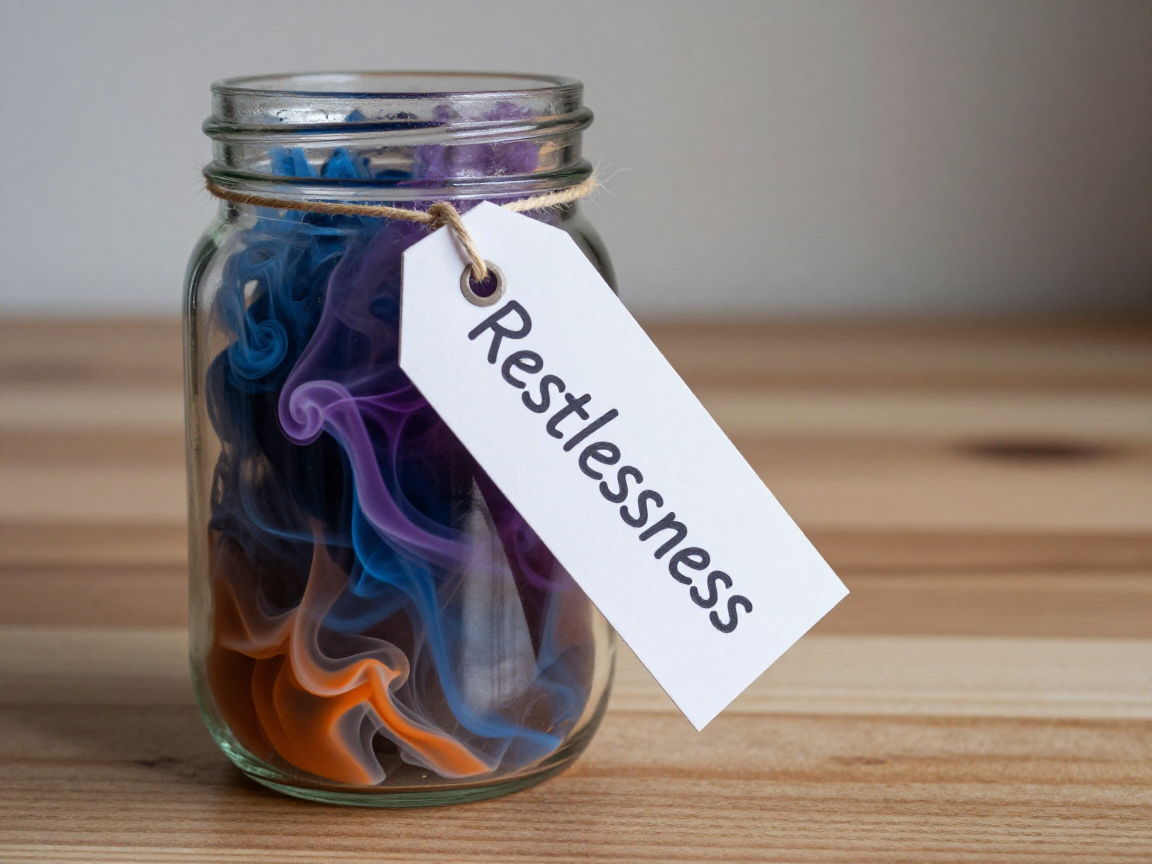
Most people, when asked how they are doing, default to a standard script. We say we are "fine", "okay", or "busy". While these answers serve as social grease in casual conversation, they often mask a deeper disconnect within ourselves. We frequently experience a swirling mist of internal sensations that we cannot quite pin down, leading to a sense of generalized anxiety or a heavy, unexplained exhaustion. This inability to identify what we are feeling is more than just a lack of vocabulary; it is a barrier to psychological health and emotional regulation.
The simple act of naming emotions - a process psychologists call affect labeling - is one of the most accessible yet profound tools for mental well-being. When we transition from a vague feeling of discomfort to the specific realization that we are feeling "resentful", "unsupported", or "apprehensive", something remarkable happens in the brain. We move from being a victim of our impulses to being an observer of our internal landscape. This shift is the foundation of emotional intelligence and the first step toward moving out of a perpetual state of survival mode.
The Neuroscience of "Name It to Tame It"
The phrase "name it to tame it" was coined by psychiatrist Dr. Dan Siegel, and it describes a neurological reality. When we experience an intense emotion, the right side of our brain, specifically the amygdala, becomes highly active. The amygdala is the brain's alarm system, responsible for the fight-or-flight response. When it is firing, we feel a sense of urgency, physical tension, and often a loss of logical perspective.
Research conducted at UCLA by Matthew Lieberman and his colleagues has shown that naming emotions changes the way the brain processes these experiences. When participants in a study were asked to label the emotion they saw in a photograph, brain scans showed a decrease in activity in the amygdala and a simultaneous increase in the right ventrolateral prefrontal cortex. This is the part of the brain associated with thinking, reasoning, and self-control. By putting words to a feeling, we essentially send a "cooling" signal to the emotional center of the brain. The linguistic act of naming emotions acts as a bridge between the feeling brain and the thinking brain, allowing us to regulate our responses rather than reacting blindly.
Why "Fine" is a Barrier to Growth
When we rely on umbrella terms like "stressed" or "bad", we are practicing what psychologists call low emotional granularity. Emotional granularity is the ability to differentiate between specific emotions. Someone with high granularity can distinguish between feeling "guilty" and feeling "ashamed", or between "frustrated" and "powerless".
If you cannot name the specific nuance of what you are feeling, you cannot address the root cause of the discomfort. If you tell yourself you are just "stressed" about a project, you might try to work harder to solve it. But if you take a moment for naming emotions and realize the specific feeling is actually "inadequacy", the solution isn't more work - it is self-compassion or seeking mentorship. Without specificity, our coping mechanisms remain blunt instruments. Precision in naming emotions allows for precision in healing.
A Step-by-Step Framework for Naming Emotions
For many of us, the internal world feels like a chaotic weather system. Developing the skill of naming emotions takes practice and a structured approach. Use the following framework the next time you feel a sense of internal tension but cannot quite identify the source.
- Pause and Sense: Stop what you are doing. Close your eyes if possible. Do not look for a word yet; simply feel the physical sensations in your body. Is there a tightness in your chest? A fluttering in your stomach? A heat in your face?
- Identify the Core Category: Most complex feelings stem from a few core emotions: Sadness, Anger, Fear, Joy, Disgust, or Surprise. Which of these feels the closest to the energy you are carrying?
- Apply Granularity: Once you have the core category, look for the nuance. If the core is "Anger", is it actually "indignation", "bitterness", or "irritation"? If the core is "Fear", is it "dread", "anxiety", or "shyness"?
- Validate without Judgment: Say the name of the emotion to yourself. "I am feeling a sense of loneliness". Notice how the body responds to that recognition. Do not try to change the feeling yet; simply acknowledge its presence.
- Identify the Need: Every emotion carries a message. Fear often signals a need for safety. Anger often signals a boundary has been crossed. Once named, ask yourself: "What is this emotion asking of me?"
The Difference Between Primary and Secondary Emotions
One of the most complex aspects of naming emotions is peeling back the layers. Often, the first thing we feel is a "secondary emotion". This is a feeling about a feeling. For example, many people feel "anger" because it feels more powerful than the "vulnerability" or "hurt" that lies underneath it. In this case, anger is a protective layer.
If you find yourself stuck in a loop of a particular emotion, it is worth asking if there is something deeper hidden beneath it. You might name the anger, but then realize, "I am actually feeling hurt because my efforts were not recognized". Naming the primary emotion - the raw, initial feeling - is where the real transformation happens. It requires a level of honesty that can be uncomfortable, but it is the only way to release the emotional energy rather than just managing the symptoms.
A Checklist for Building Your Emotional Vocabulary
If you find yourself reaching for the same three or four words every day, use this list to expand your range. Higher emotional granularity leads to better resilience and lower levels of systemic inflammation in the body.
- Instead of "Good": Content, inspired, serene, empowered, appreciated, vibrant, relieved, connected.
- Instead of "Bad": Depleted, discouraged, alienated, overwhelmed, restless, small, unheard, stagnant.
- Instead of "Angry": Betrayed, frustrated, defensive, resentful, indignant, provoked, impatient.
- Instead of "Anxious": Apprehensive, flustered, cautious, unsettled, overwhelmed, hyper-vigilant.
- Instead of "Sad": Disheartened, longing, melancholy, grief-stricken, lonely, heavy.
The Somatic Connection: Where Emotions Live in the Body
Naming emotions is not just a mental exercise; it is a somatic one. Emotions are physical experiences before they are cognitive ones. When we are naming emotions, we are essentially translating the body's language into human speech.
- Anger often manifests as heat in the chest and face, or a clenching of the jaw and fists.
- Fear often shows up as coldness, a racing heart, or a "dropping" sensation in the stomach.
- Sadness can feel like a literal weight on the limbs or a lump in the throat.
- Shame often feels like a desire to disappear, accompanied by a heat in the neck and a sinking feeling.
By paying attention to these physical cues, the process of naming emotions becomes much easier. The body rarely lies. If you feel a tightness in your throat, you might ask yourself if there is something unsaid - leading you to the name "suppressed" or "stifled".
How Naming Emotions Transforms Relationships
The benefits of naming emotions extend far beyond our own internal peace; it is the cornerstone of healthy communication. Most conflicts in relationships arise because we react to our emotions without ever identifying them. We snap at a partner because we are "stressed", when the reality is we are feeling "unappreciated".
When we can say, "I am feeling really overwhelmed and lonely right now", it invites connection. It gives the other person a map of our internal world. Conversely, when we can't name what we feel, we often project our discomfort onto others, leading to blame and defensiveness. Being precise with our language allows for true intimacy. It moves the conversation from "What is wrong with you?" to "This is what is happening inside of me".
Moving Forward with Emotional Precision
Developing the habit of naming emotions is like learning a new language. At first, it feels clunky and forced. You might find yourself searching for the right word and coming up empty. But over time, the gap between the feeling and the name will shrink.
This practice is not about "fixing" how you feel. We often name an emotion hoping it will immediately go away. While naming emotions does reduce the intensity of the feeling by engaging the prefrontal cortex, the primary goal is understanding. It is about becoming an expert on your own life. When you can accurately label your internal experience, you are no longer lost in the fog. You have a compass. You have the ability to say, "This is where I am", and from that place of clarity, you can finally decide where you want to go.