The Architect Within: How Meditation and Neuroplasticity Physically Reshape Your Brain
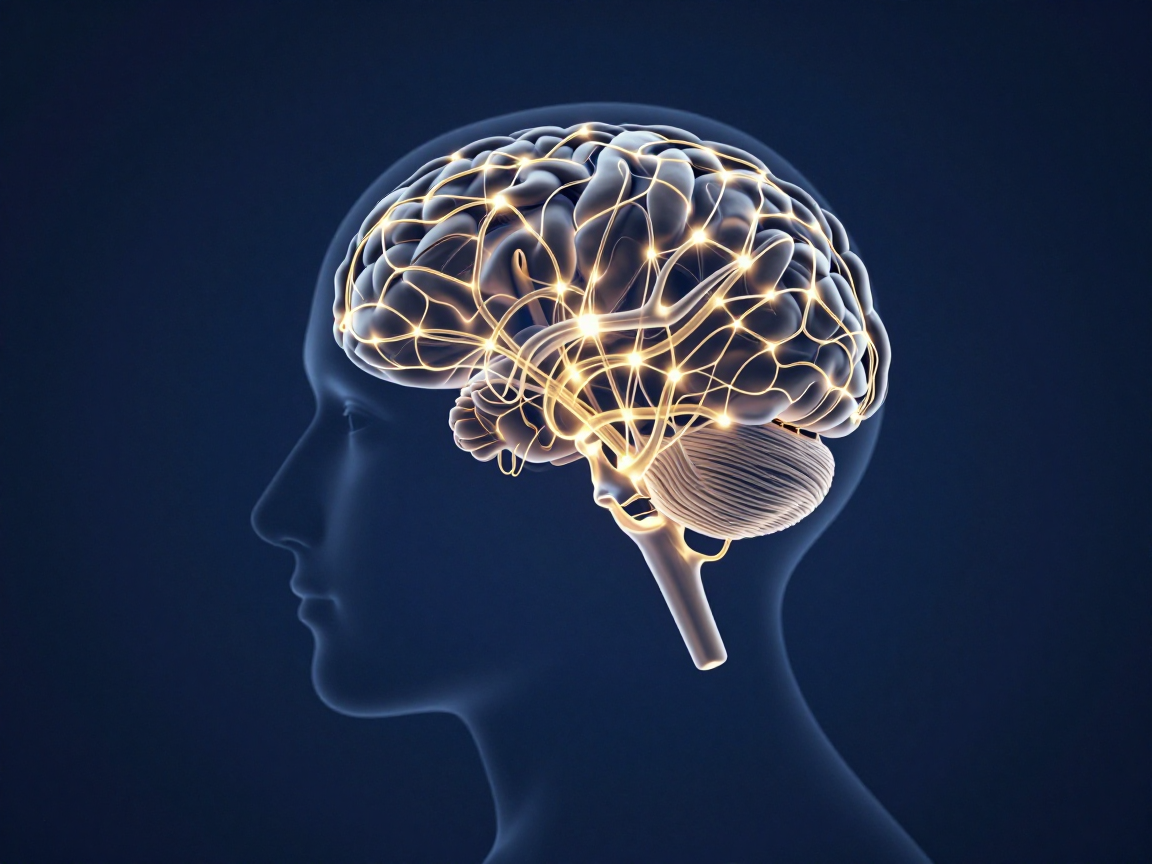
For decades, the scientific community operated under a rigid assumption: the adult brain was a static organ. The prevailing wisdom suggested that once you reached your mid - twenties, your neural pathways were essentially "hardwired", and your cognitive abilities and personality traits were set in stone. If you were naturally anxious, prone to distraction, or struggled with emotional regulation, that was simply your lot in life. This deterministic view created a sense of finality regarding our mental health and potential.
However, the emergence of modern neuroscience has shattered this myth, revealing a brain that is far more dynamic and adaptable than we ever imagined. This phenomenon, known as neuroplasticity, is the brain's ability to reorganize itself by forming new neural connections throughout life. Perhaps the most empowering discovery in this field is the relationship between meditation and neuroplasticity. Research now confirms that we are not merely passive observers of our biology - we are the architects of our own neural landscape. Through intentional practice, we can physically change the structure and function of our brains, moving away from reactive stress patterns and toward a state of focused, resilient well - being.
The Science of the Malleable Mind
To understand the connection between meditation and neuroplasticity, we must first look at what neuroplasticity actually looks like on a cellular level. Your brain contains approximately 86 billion neurons, each capable of making thousands of connections with other neurons. These connections, called synapses, are the highways of your thoughts, emotions, and behaviors. Every time you learn a new skill, form a memory, or repeat a habit, these pathways strengthen. Conversely, when a pathway is no longer used, it weakens and eventually fades away - a principle often summarized as "use it or lose it".
Meditation acts as a form of targeted mental exercise. Just as lifting weights causes muscle fibers to tear and rebuild stronger, meditation places a specific kind of "demand" on the brain that triggers structural adaptation. When we sit in silence and repeatedly return our attention to the breath, we are not just "relaxing". We are engaging in a high - intensity workout for the prefrontal cortex and the anterior cingulate cortex - the regions responsible for attention, impulse control, and self - awareness.
This is not a theoretical benefit. Using Magnetic Resonance Imaging (MRI) technology, researchers have been able to witness the physical transformation of the brain in individuals who practice mindfulness regularly. One landmark study led by Sara Lazar at Harvard University found that just eight weeks of mindfulness meditation produced measurable changes in brain regions associated with memory, sense of self, and stress regulation. The bridge between meditation and neuroplasticity is no longer a philosophical bridge; it is a biological one.
Structural Evolution: Which Parts of the Brain Change?
When we discuss meditation and neuroplasticity, it is helpful to look at the specific "neighborhoods" of the brain that undergo renovation. These changes typically fall into two categories: gray matter density (the number of neurons) and white matter integrity (the quality of the connections between those neurons).
The Prefrontal Cortex: The Executive Suite
The prefrontal cortex (PFC) is the seat of our higher - level cognitive functions. It is what allows us to plan, make rational decisions, and keep our emotions in check. In people who do not practice meditation, the PFC can actually thin as they age, leading to cognitive decline. However, studies show that long - term meditators maintain the thickness of their PFC even as they get older. By strengthening this area through meditation and neuroplasticity, we improve our ability to remain objective and calm when life becomes chaotic.
The Amygdala: The Fear Center
In contrast to the growth seen in the PFC, meditation often leads to a decrease in the volume of the amygdala. The amygdala is the brain's alarm system, responsible for the "fight or flight" response. For many of us living in a high - stress, digital world, the amygdala is chronically overactive. This leads to a baseline state of anxiety and hyper - vigilance. The relationship between meditation and neuroplasticity allows us to "downsize" this fear center, making us less reactive to external stressors and more emotionally stable.
The Hippocampus: The Memory and Learning Hub
The hippocampus is vital for learning and the regulation of emotions. It is also one of the regions most vulnerable to high levels of cortisol (the stress hormone). Chronic stress can literally shrink the hippocampus. Meditation has been shown to increase gray matter density in this region, which not only improves memory but also enhances our ability to process complex emotions without becoming overwhelmed.
The Mechanism of Change: How Meditation Works
How does the simple act of sitting still translate into physical brain changes? The answer lies in the repetition of focus. When you meditate, you are essentially training your brain to decouple from the "Default Mode Network" (DMN). The DMN is the system that becomes active when our minds wander, usually into thoughts of the past, worries about the future, or self - critical narratives.
By consciously redirecting focus away from the DMN and toward the present moment (the breath, a mantra, or a physical sensation), you are weakening the neural pathways associated with rumination and strengthening the pathways associated with present - moment awareness. This is the essence of meditation and neuroplasticity in action. Over time, the brain learns that the "default" doesn't have to be distraction or anxiety; the default can be presence.
A 5-Step Framework for Lasting Neural Rewiring
Understanding the science is the first step, but the brain only changes through consistent application. To leverage meditation and neuroplasticity effectively, you need a strategy that prioritizes the conditions under which the brain is most likely to adapt. Use this framework to guide your practice:
- Consistency Over Intensity
Neuroplasticity is driven by frequency. It is far more effective to meditate for ten minutes every single day than to meditate for two hours once a week. You are trying to build a new habit, and the brain requires daily "reminders" to keep the new neural pathways active.
- Engage the Senses
The brain is highly responsive to sensory input. During your practice, don't just think about being present; feel the temperature of the air, the weight of your body on the chair, and the subtle movement of your chest. This sensory grounding creates stronger "anchors" in the brain, facilitating faster rewiring.
- Label and Release
When thoughts arise, practice "noting". Mentally say "thinking" or "worrying" and then return to your focus. This simple act of labeling uses the prefrontal cortex to observe the amygdala, strengthening the neural connection between the two and giving you more control over your emotional reactions.
- Increase Difficulty Gradually
Just like physical exercise, the brain needs to be challenged. Once you are comfortable meditating in a quiet room, try a "walking meditation" in a park or practice mindfulness while doing the dishes. This forces the brain to maintain focus amidst distractions, further enhancing neuroplasticity.
- Apply Off-Cushion Awareness
The goal of meditation is not to be good at meditating; it is to be good at life. Throughout your day, take "micro - breaks" of thirty seconds to check in with your breath. This bridges the gap between your formal practice and your daily life, ensuring that the changes in your brain translate into real - world resilience.
Common Pitfalls: Why You Might Not See Changes Yet
Many people begin a meditation practice with high hopes but become discouraged when they don't feel "enlightened" after two weeks. It is important to remember that physical changes in the brain take time. If you feel like you aren't making progress, consider these factors:
- The "Trying Too Hard" Trap: Meditation is an exercise in being, not doing. If you are constantly judging your progress or getting angry at your wandering mind, you are inadvertently stimulating the stress centers of your brain rather than the calm centers.
- Inconsistency: Skipping days prevents the neural pathways from "setting". Think of it like learning a language; if you only study once a month, you'll never become fluent.
- Expectation Bias: You might be looking for a "fireworks" moment. In reality, the benefits of meditation and neuroplasticity often manifest subtly - a slightly shorter temper, a bit more patience in traffic, or a better night's sleep.
The Long-Term Vision: A Lifelong Evolution
The beauty of the link between meditation and neuroplasticity is that it offers hope at any age. Whether you are twenty or eighty, your brain possesses the inherent capacity to change. This means that we are never stuck with a personality or a mental state that does not serve us. We have the biological tools to move toward greater clarity, empathy, and peace.
This process is not a quick fix or a temporary hack; it is a fundamental shift in how we relate to our own minds. When you sit down to meditate, you aren't just taking a break from the world. You are performing a delicate piece of internal engineering. You are pruning away the old, overgrown paths of stress and fear, and paving new roads toward a more conscious and resilient version of yourself. The science is clear: your brain is waiting for your instructions. Through meditation, you finally have the language to give them.