Rewiring Your Brain Architecture: The Science of How Meditation and Gray Matter Build a Resilient Mind
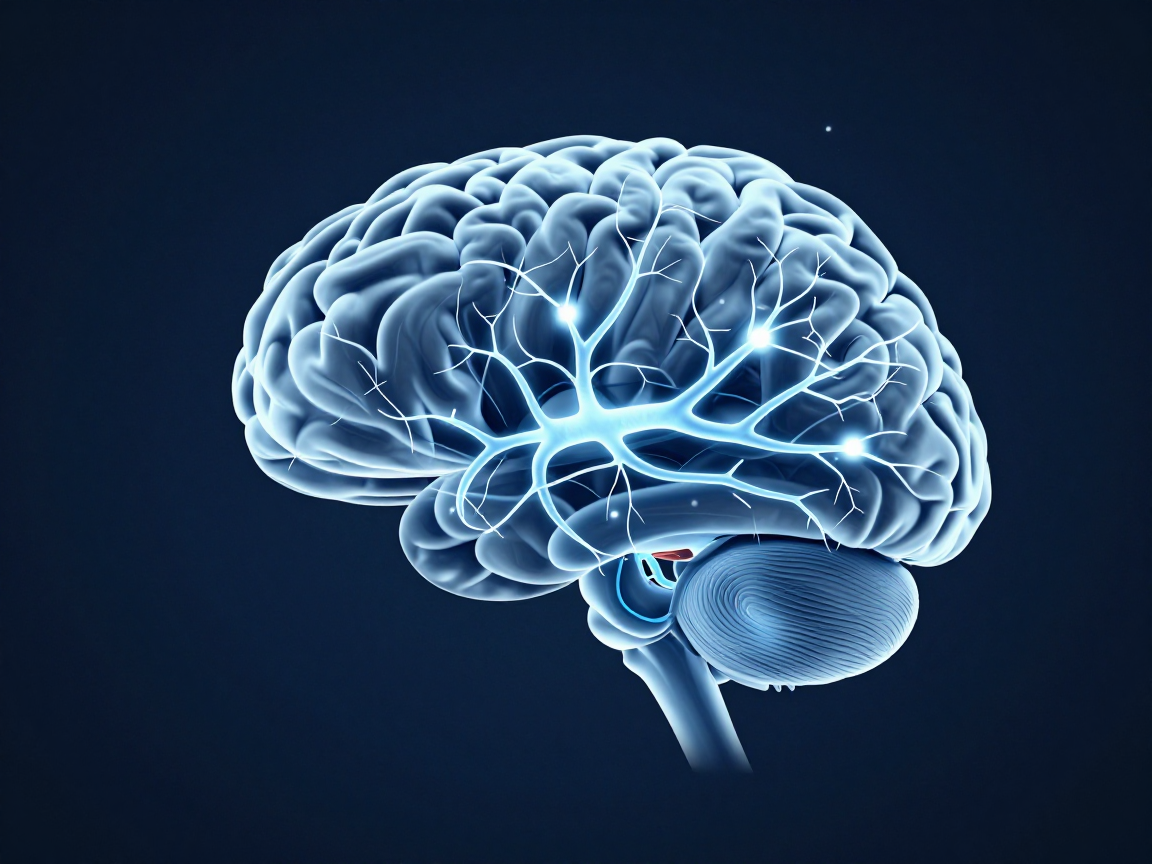
For decades, the scientific community operated under the assumption that the adult brain was a static organ. The prevailing wisdom suggested that once you reached a certain age, your neural pathways were fixed and your cognitive capacity was on a slow, inevitable decline. We were told that we were born with a set number of neurons and that aging was simply a process of managing their loss. However, the emergence of neuroplasticity has shattered these old paradigms, revealing that the brain is actually remarkably malleable, constantly reorganizing itself in response to our experiences, thoughts, and habits. One of the most profound ways we can influence this biological restructuring is through the relationship between meditation and gray matter.
Gray matter serves as the processing center of the central nervous system, packed with neuronal cell bodies, dendrites, and synapses. It is essentially the 'hardware' where the heavy lifting of thinking, feeling, and perceiving occurs. Recent advancements in neuroimaging have shown that meditation does not just make us feel calmer or more centered in a spiritual sense - it actually changes the physical density and volume of this critical brain tissue. By looking closely at the intersection of meditation and gray matter, we begin to understand that mental training is as much a physical discipline as lifting weights is for the body.
The Biological Power of Gray Matter
To appreciate the impact of meditation and gray matter, it is helpful to understand what this tissue actually does. Gray matter is involved in muscle control and sensory perception such as seeing and hearing, memory, emotions, speech, decision-making, and self-control. Higher density in specific regions of gray matter is generally associated with better performance in the functions governed by those areas. For example, more gray matter in the prefrontal cortex typically translates to better executive function and impulse control.
As we age, gray matter naturally begins to thin. This process is often accelerated by chronic stress, which floods the brain with cortisol - a hormone that can be toxic to neural structures when present in high amounts over long periods. This is where the practice of mindfulness becomes a biological intervention. Meditation acts as a counterweight to the corrosive effects of stress, providing a stimulus that encourages the brain to maintain or even increase its structural integrity.
Key Regions: Where Meditation and Gray Matter Intersect
Researchers have identified several specific areas of the brain that undergo measurable changes when someone maintains a consistent meditation practice. These changes are not just subtle shifts in activity, but actual increases in the volume of gray matter that can be seen on an MRI scan.
- The Prefrontal Cortex: This is the seat of higher-order thinking, planning, and personality expression. It is the part of the brain that allows you to pause before reacting to an annoying email or a stressful traffic jam. Studies have shown that long-term meditators have significantly more gray matter in this region compared to non-meditators, helping explain why those who practice often feel more 'in control' of their emotional responses.
- The Hippocampus: Essential for learning and memory, the hippocampus is also highly sensitive to stress. It is often one of the first areas to show signs of atrophy in people with depression or chronic anxiety. Research into meditation and gray matter has revealed that mindfulness can actually increase the density of the hippocampus, enhancing our ability to process information and regulate our moods.
- The Temporo-Parietal Junction (TPJ): This area is associated with empathy, compassion, and perspective-taking. An increase in gray matter here suggests that meditation physically strengthens the neural circuits that allow us to understand the world from another person's point of view, making us more socially intelligent and emotionally resilient.
- The Amygdala: Interestingly, the relationship between meditation and gray matter in the amygdala is inverse. The amygdala is the brain's 'alarm system', responsible for the fight-or-flight response. In people who practice meditation, the gray matter density in the amygdala actually tends to decrease. This reduction correlates with a lower subjective experience of stress, meaning the brain is literally becoming less reactive to perceived threats.
The 8-Week Transformation: The Science of MBSR
One of the most famous studies regarding meditation and gray matter was conducted by Dr. Sara Lazar and her team at Harvard University. They looked at participants who had never meditated before and put them through an eight-week Mindfulness-Based Stress Reduction (MBSR) program. The results were startling: after just two months of practicing for roughly 30 minutes a day, the participants showed significant increases in gray matter density in the hippocampus and other regions associated with self-awareness and introspection.
This study was a landmark because it proved that you do not need to be a monk living in a cave for decades to see physical results. The brain's architecture can begin to shift in as little as eight weeks of consistent effort. This provides a clear, science-backed incentive for anyone looking to improve their mental health. It reframes meditation from a mystical or 'woo-woo' concept into a practical tool for cortical maintenance.
A Practical Protocol for Building Brain Density
If you want to leverage the link between meditation and gray matter, you don't need a complicated setup. The key is consistency over intensity. While a long retreat might provide a deep experience, the physical changes in the brain are more likely the result of a daily 'drip' of mindfulness.
- Start with the 'Minimum Effective Dose': Science suggests that even 10 to 15 minutes of daily practice can begin to influence neural pathways. If 30 minutes feels daunting, start with 10. The goal is to make it a non-negotiable part of your routine, like brushing your teeth.
- Focus on Breath Awareness: The simplest way to engage the prefrontal cortex is through focused attention. When your mind wanders - which it will, hundreds of times - gently bringing your focus back to the breath is the 'rep' that builds gray matter. Each time you notice the distraction and return to the center, you are strengthening those neural connections.
- Incorporate Open Monitoring: After a few minutes of focusing on the breath, expand your awareness to the sounds around you, the sensations in your body, or the thoughts passing through your mind. Observe them without judgment. This practice is particularly effective for the regions of the brain involved in emotional regulation.
- Track Your Consistency, Not Your 'Performance': Many people quit because they feel they are 'bad' at meditation. In the context of meditation and gray matter, there is no such thing as a bad session. The biological benefit comes from the act of trying to focus and regulate your attention, regardless of how 'quiet' your mind feels.
- Use Guided Support: If you are a beginner, use an app or a recording. The external guidance helps keep the prefrontal cortex engaged and prevents you from getting lost in a loop of self-criticism.
The Longevity Argument: Meditation as Brain Insurance
Perhaps the most compelling reason to care about meditation and gray matter is the impact on aging. As we live longer, the threat of cognitive decline and neurodegenerative diseases becomes more prominent. While meditation is not a cure-all, it appears to be a powerful preventative measure. Some studies have shown that the brains of 50-year-old long-term meditators have gray matter volumes comparable to those of 25-year-olds.
This 'brain age' gap suggests that mindfulness might help preserve the structural integrity of our minds long after they would normally begin to thin. By maintaining the density of our gray matter, we are effectively protecting our ability to think clearly, remember our lives, and stay emotionally balanced well into our senior years. It is a form of 'brain insurance' that costs nothing but time.
Why Most People Fail to See Structural Results
The reason many people don't experience the profound link between meditation and gray matter is that they treat it as an occasional 'rescue' tool rather than a developmental practice. They meditate only when they are already stressed or overwhelmed. While this can provide temporary relief, it is unlikely to lead to the long-term structural changes seen in clinical studies.
To change the physical makeup of your brain, you have to treat the practice like an exercise program. You wouldn't expect to see muscle growth after lifting weights once a month; similarly, the brain requires repetitive stimulation to trigger the growth of new synapses and the thickening of gray matter. The magic happens in the mundane, daily commitment to sitting still, even on the days when you feel like you are too busy to do so.
Summary Checklist for Brain Growth
- Daily Commitment: Aim for at least 10-20 minutes every single day.
- Focus on Return: Remember that the 'benefit' happens every time you catch your mind wandering and bring it back.
- Diversify Techniques: Combine breath-focused meditation with loving-kindness or body scans to target different brain regions.
- Be Patient: Structural changes in the brain take time. Think in terms of months and years, not days.
- Monitor Stress: Use meditation as a proactive shield, not just a reactive fix.
In the end, the relationship between meditation and gray matter is a testament to the incredible agency we have over our own biology. We are not merely victims of our genetics or our environment. By intentionally directing our attention and practicing mindfulness, we can physically sculpt the very organ that creates our reality. It is an empowering realization: the state of your brain is, to a significant degree, in your own hands. Through the simple act of sitting in silence, you are building a stronger, more resilient, and more capable version of yourself from the inside out.