The Science of Safety: How Meditation and Amygdala Regulation Change Your Reaction to Life
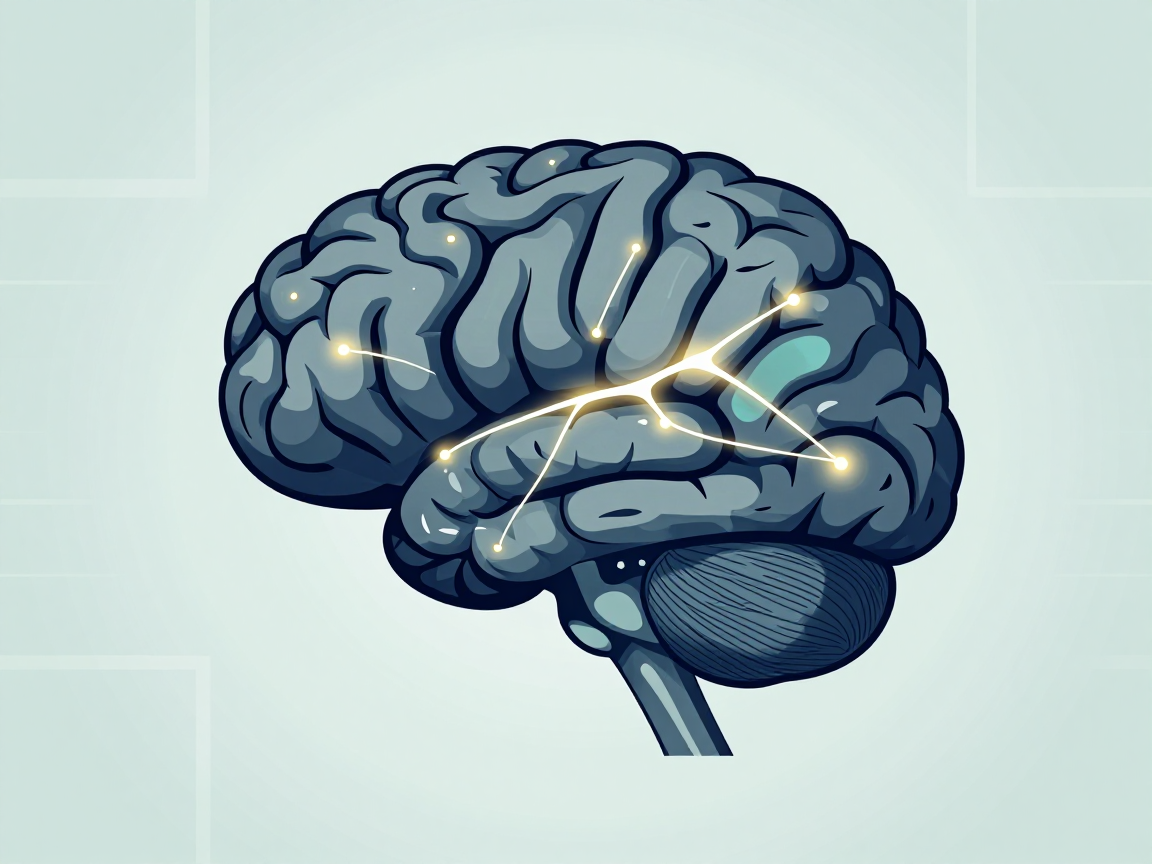
We live in an age of invisible tigers. In our evolutionary past, the amygdala - the small, almond - shaped structure deep within the brain - served a vital purpose. It was our primary alarm system, designed to detect a rustle in the grass or the shadow of a predator. When triggered, it initiated a cascade of hormones like cortisol and adrenaline, preparing the body to fight or flee. Today, that same ancient circuitry is often triggered not by physical predators, but by a passive - aggressive email, a fluctuating stock market, or a notification on a smartphone. This constant state of high alert is what psychologists often refer to as living in survival mode.
The relationship between meditation and amygdala activity has become a cornerstone of modern neuroscience. For decades, we believed the brain was fixed after childhood, but we now know it possesses neuroplasticity - the ability to reorganize itself by forming new neural connections throughout life. Meditation is not just a mental exercise; it is a physical intervention that reshapes the architecture of the brain. By understanding how this practice affects our internal alarm system, we can begin to move away from reflexive reactivity and toward a life characterized by intentional response and emotional stability.
The Anatomy of Fear: Understanding the Amygdala
To appreciate the impact of meditation and amygdala regulation, we must first understand what this part of the brain actually does. The amygdala is part of the limbic system, the region of the brain responsible for our emotional lives and the formation of memories. While it is often labeled the 'fear center' , its role is more nuanced. It acts as a relevance detector, scanning the environment for anything that might be significant to our survival or well - being.
When the amygdala perceives a threat, it bypasses the more logical, slower - processing parts of the brain, such as the prefrontal cortex. This is known as an 'amygdala hijack' . In this state, the 'low road' of processing takes over, prioritizing speed over accuracy. This is why you might jump at a garden hose thinking it is a snake before your conscious mind realizes it is harmless. While this mechanism is excellent for avoiding immediate physical danger, it is poorly suited for the complexities of modern social and professional life, where 'threats' are often abstract and long - term.
Chronic stress keeps the amygdala in a state of hyper - vigilance. Over time, this constant activation can lead to a literal enlargement of the structure. A larger, more sensitive amygdala means a lower threshold for stress, creating a feedback loop where the world feels increasingly dangerous, which in turn further strengthens the amygdala. Breaking this cycle requires a deliberate intervention that signals safety to the nervous system.
The Structural Shift: How Meditation Shrinks the Alarm
One of the most groundbreaking findings in contemplative neuroscience is that meditation and amygdala density are inversely related. In a landmark 2011 study conducted by researchers at Harvard University and Massachusetts General Hospital, participants underwent an eight - week Mindfulness - Based Stress Reduction (MBSR) program. The results were staggering. Magnetic Resonance Imaging (MRI) scans showed a significant decrease in gray matter density in the right amygdala.
This structural change was directly correlated with the participants' self - reported levels of stress. Essentially, as the participants meditated, their 'alarm center' became smaller and less reactive. This suggests that meditation does not just help us 'cope' with stress; it physically alters the brain to be less prone to stress in the first place. This is the difference between taking an aspirin for a headache and changing the physiological conditions that cause the headache to occur.
Beyond just shrinking the amygdala, meditation strengthens the 'top - down' connection between the prefrontal cortex and the limbic system. The prefrontal cortex is the executive center of the brain, responsible for logic, planning, and emotional regulation. In a non - meditator, a stressful event might cause the amygdala to flare up while the prefrontal cortex remains relatively disconnected. In a regular meditator, the prefrontal cortex acts like a 'volume knob' or a 'brake' , sending signals to the amygdala to calm down once it has been determined that there is no real danger. This increased connectivity allows for greater 'cognitive reappraisal' - the ability to look at a stressful situation and see it for what it truly is.
From Reactivity to Response: The Biological Benefits of Practice
When we look at the intersection of meditation and amygdala function, we see a shift in the baseline of the human nervous system. This shift manifests in several tangible biological benefits that go beyond simple relaxation. When the amygdala is less reactive, the entire body benefits from a reduction in the 'allostatic load' - the wear and tear on the body that accumulates as an individual is exposed to repeated or chronic stress.
Key Physiological Changes include:
- Lower Basal Cortisol Levels: Cortisol is the body's primary stress hormone. High levels are linked to inflammation, weight gain, and impaired cognitive function. Meditation helps maintain a healthier cortisol rhythm.
- Improved Heart Rate Variability (HRV): HRV is a measure of the variation in time between each heartbeat. A higher HRV is a sign of a resilient and flexible autonomic nervous system. Meditation and amygdala calming techniques have been shown to significantly improve HRV.
- Enhanced Vagal Tone: The vagus nerve is the main component of the parasympathetic nervous system, which manages the 'rest and digest' response. Meditation stimulates the vagus nerve, helping the body recover more quickly after a stressful event.
- Reduced Pro - inflammatory Cytokines: Chronic amygdala activation signals the immune system to produce inflammatory markers. By calming the amygdala, meditation helps reduce systemic inflammation.
A 5 - Step Framework for Calming an Overactive Amygdala
While the long - term structural changes take time, you can begin the process of amygdala regulation immediately using specific meditative frameworks. The goal is to move from a state of 'high arousal' to 'restful alertness' . Use the following S.P.A.C.E. framework when you feel the onset of a stress response.
- Settle the Body: The amygdala monitors the body for signs of distress. If your shoulders are hunched and your breath is shallow, the amygdala assumes there is a threat. Intentionally soften your jaw, drop your shoulders, and place your feet flat on the floor. This sends a 'bottom - up' signal of safety to the brain.
- Pause and Breathe: The fastest way to communicate with the amygdala is through the breath. Extend your exhalations so they are longer than your inhalations. This activates the parasympathetic nervous system and interrupts the adrenaline spike.
- Acknowledge the Sensation: Instead of fighting the feeling of anxiety, label it. Say to yourself, 'I am experiencing a rise in heart rate' or 'I feel a tightening in my chest' . Using language to describe emotions shifts activity from the amygdala to the prefrontal cortex. This is often called 'name it to tame it' .
- Center the Attention: Bring your focus to a neutral anchor, such as the sensation of air moving in and out of your nostrils. When the mind wanders back to the 'threat' , gently but firmly bring it back to the breath. This strengthens the neural pathways associated with focused attention.
- Expand Perspective: Once the initial 'hijack' has subsided, ask yourself, 'Is this a threat to my physical safety?' or 'Will this matter in five years?' This engages the logical brain to provide a broader context that the amygdala cannot see.
Different Types of Meditation and Their Impact
Not all meditation is the same, and different styles affect the brain in unique ways. When specifically looking at meditation and amygdala regulation, two primary styles stand out in the research: Focused Attention (FA) and Open Monitoring (OM).
Focused Attention Meditation involves focusing on a single object, such as the breath, a mantra, or a visual image. This practice is like 'weightlifting' for the prefrontal cortex. It builds the 'muscle' of concentration, which is essential for overriding the amygdala's tendency to jump from one perceived threat to another. By training the mind to stay on one point, we reduce the 'noise' that often triggers the fear response.
Open Monitoring Meditation (often called Mindfulness) involves observing the contents of your experience - thoughts, feelings, sensations - without judgment or attachment. This style is particularly effective for amygdala regulation because it teaches the brain that a thought is just a thought, and a sensation is just a sensation. When we can observe a fearful thought without reacting to it, we are teaching the amygdala that the 'alarm' is unnecessary. Over time, this reduces the sensitivity of the fear response.
Common Pitfalls: Why You Might Not Feel Calm Immediately
It is common for beginners to feel frustrated when they do not experience an immediate sense of peace. In fact, some people find that their anxiety increases when they first start meditating. This is often because they are finally becoming aware of how much 'noise' is actually in their minds. Understanding these pitfalls can help you stay consistent with your practice.
- The Expectation Trap: If you approach meditation with the goal of 'killing' your anxiety, you are actually creating more tension. The amygdala perceives this internal struggle as a conflict, which keeps it activated. Meditation is about observation, not suppression.
- The 'Empty Mind' Myth: You do not need to stop your thoughts to regulate your amygdala. The goal is to change your relationship with your thoughts. Each time you notice your mind has wandered and you bring it back, you are performing a 'rep' that strengthens your brain.
- Inconsistency: Brain changes are the result of 'dose - dependent' practice. Meditating for 10 minutes every day is far more effective for amygdala regulation than meditating for two hours once a month. The brain needs the regular signal of safety to begin structural remodeling.
- Judging the Experience: Thinking you are 'bad at meditation' triggers a stress response. There is no such thing as a bad meditation session; there are only sessions where you were more or less aware of the mind's activity.
Building Long - Term Resilience
The ultimate goal of exploring meditation and amygdala health is not to live a life devoid of emotion or challenge. Rather, it is to build a more resilient nervous system that can handle the ups and downs of human existence without becoming overwhelmed. Resilience is the ability to recover quickly from difficulties. When we use meditation to train our brain, we are essentially raising our 'stress ceiling' .
By shrinking the amygdala's gray matter and strengthening the connections to the prefrontal cortex, we create a 'buffer' between stimulus and response. In that buffer lies our freedom. We no longer have to be victims of our evolutionary history or our modern environment. We can acknowledge the alarm without being consumed by the fire. This process of neural remodeling is one of the most empowering applications of modern science, proving that while we may not be able to control the world around us, we have an incredible capacity to change the world within us.