Beyond the Warm Fuzzy: The Rigorous Science of How Loving Kindness Meditation Rewires Your Brain
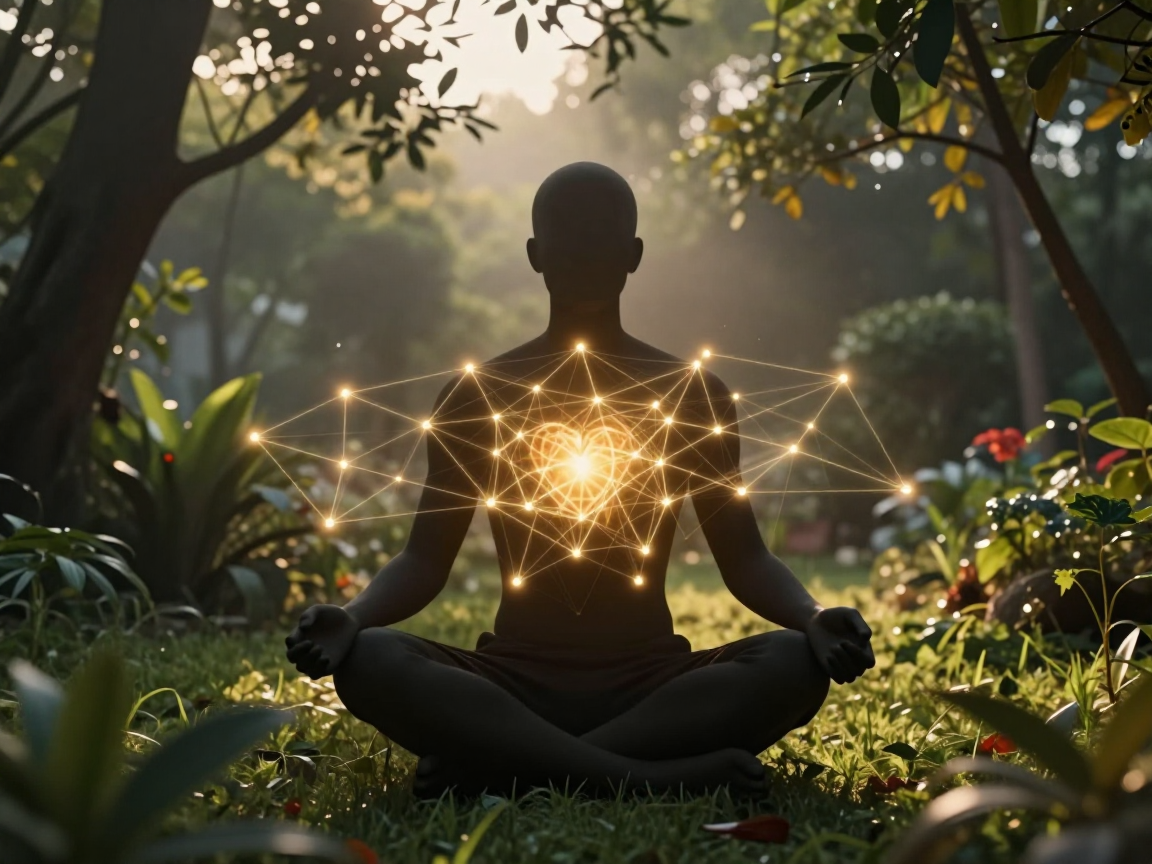
For decades, the meditation world was divided between the analytical and the emotional. Mindfulness—the practice of non-judgmental awareness—was the darling of clinical psychology because it seemed objective, secular, and easy to measure. Meanwhile, Loving Kindness Meditation (often called Metta) was sometimes sidelined as a "soft" or sentimental practice, something better suited for incense-filled rooms than neurological labs. However, a massive shift has occurred in the last decade. As researchers began pointing fMRI machines at the brains of both novice and expert practitioners, they discovered something startling: the emotional warmth of Metta is not just a pleasant mood; it is a catalyst for profound biological and structural changes.
Today, the growing body of loving kindness meditation science reveals that this practice is one of the most effective ways to influence the physical brain. It does not just make you feel better in the moment—it actively rewires the circuits responsible for empathy, emotional regulation, and even your body’s inflammatory response. By deliberately directing well-wishes toward yourself and others, you are engaging in a form of mental weightlifting that strengthens the social and emotional muscles of the human experience. This article explores the data behind these claims and provides a structured framework for applying this science to your own life.
The Neurobiology of Compassion: How the Brain Responds
When we look at loving kindness meditation science from a neurological perspective, we see a distinct footprint that differs from standard mindfulness. While mindfulness tends to activate the parts of the brain associated with attention and executive function, Loving Kindness Meditation (LKM) lights up the areas associated with emotional processing and social connection. Specifically, researchers have observed significant activity in the periaqueductal gray and the insula. These areas are responsible for our ability to sense our own internal states and empathize with the pain of others.
One of the most compelling findings involves the amygdala—the brain’s alarm system. In a state of chronic stress, the amygdala is hyper-reactive, keeping us in a cycle of fight-or-flight. Studies have shown that consistent LKM practice actually decreases the volume of the amygdala over time. By training the mind to focus on safety, warmth, and connection, we effectively tell the brain that it is safe to turn off the alarm. This creates a physiological baseline of calm that persists even when we are not actively meditating.
Furthermore, the prefrontal cortex—the CEO of the brain—becomes more tightly coupled with these emotional centers. This means that when you do experience a negative emotion, your brain is better equipped to regulate that feeling without becoming overwhelmed. You are not just suppressing anger or sadness; you are building a neurological bridge that allows you to process those emotions through a lens of compassion rather than judgment. This structural integration is a cornerstone of emotional intelligence and long-term mental resilience.
Beyond the Mind: The Physiological Impact of Loving Kindness
Perhaps the most surprising aspect of loving kindness meditation science is its impact outside the skull. We often think of meditation as a mental exercise, but the body is listening to every thought. One of the primary pathways for this connection is the vagus nerve, the longest nerve of the autonomic nervous system. The vagus nerve acts as the "off switch" for stress, and its health is measured by something called vagal tone.
High vagal tone is associated with better heart health, faster recovery from stress, and even improved digestive function. Research led by Dr. Barbara Fredrickson found that LKM significantly increases vagal tone. As practitioners cultivated more positive emotions through their daily practice, their physical heart health improved. This creates a powerful feedback loop: a healthier vagus nerve makes it easier to feel calm and connected, which in turn makes it easier to practice loving kindness.
At the cellular level, the results are even more provocative. Studies on telomeres—the protective caps at the end of our chromosomes—suggest that LKM may slow the biological aging process. Chronic stress and social isolation are known to shorten telomeres, which is a marker for cellular aging and disease. Women who practiced LKM were found to have longer telomeres than age-matched controls. Additionally, LKM has been shown to reduce C-reactive protein (CRP), a key marker of systemic inflammation. By reducing the "fire" of inflammation, this practice serves as a genuine biological intervention for long-term health.
The Broaden-and-Build Theory: A Psychological Framework
To understand why these biological changes happen, we must look at the Broaden-and-Build theory of positive emotions. Most negative emotions—like fear, anger, or disgust—have a narrowing effect. They focus our attention on a specific threat so we can survive it. While useful in a life-or-death situation, this "survival mode" is exhausting and prevents us from seeing the bigger picture.
Loving kindness meditation science supports the idea that positive emotions do the exact opposite: they broaden our awareness. When we feel a sense of warmth or kindness, our peripheral vision literally expands, and our ability to think creatively increases. Over time, these fleeting moments of broadened awareness build "durable personal resources." These include:
- Resilience: The ability to bounce back from setbacks because you have a reservoir of internal safety.
- Social Integration: An increased sense of belonging and a decreased sense of loneliness, which is a major predictor of longevity.
- Self-Efficacy: A greater belief in your own ability to handle life’s challenges.
This framework explains why LKM is so effective for treating depression and social anxiety. It doesn't just "fix" a problem; it builds a foundation of positive resources that makes the problem less daunting. You are essentially terraforming your internal landscape to be more hospitable to growth.
A Science-Backed Protocol for Practicing Loving Kindness
If you want to experience the benefits described in loving kindness meditation science, consistency is more important than duration. The brain responds to repetition. Most clinical studies use a structured progression that moves from the easiest target of kindness to the most difficult. This "graded exposure" prevents the nervous system from becoming overwhelmed by trying to love an enemy before you've even learned to like yourself.
The 6-Step Metta Progression
- The Self: Start with yourself. This is often the hardest part for beginners. Use phrases like, "May I be safe. May I be healthy. May I live with ease."
- The Benefactor: Visualize someone who has been kind to you—a teacher, a mentor, or even a pet. Direct the same phrases toward them.
- The Friend: Choose a close friend or family member. Feel the warmth of your relationship and wish them well.
- The Neutral Person: Visualize someone you see regularly but don’t really know, like a cashier or a neighbor. This stage begins to break down the barriers of "us vs. them."
- The Difficult Person: Think of someone you have a mild conflict with. This is not about letting them off the hook for bad behavior, but about releasing the poison of your own resentment.
- All Beings: Finally, expand your focus to your neighborhood, your city, and the entire world. This universalizing of kindness is what creates the largest shifts in the social brain.
Aim for 10 to 15 minutes a day. The science suggests that even small doses can produce measurable changes in heart rate variability and brain activity within just eight weeks of regular practice.
Overcoming the Resistance: Why "Soft" Practice is Hard Work
One of the biggest hurdles in loving kindness meditation science is the internal resistance practitioners feel. Many people feel "fake" when they start, or they find it difficult to summon genuine feelings of warmth. It is important to remember that LKM is an exercise in intention, not a performance of emotion. You are not trying to force yourself to feel "happy"; you are planting the seeds of a specific mental habit.
If you find yourself struggling, you can use these adjustments to lower the barrier of entry:
- Use Logical Well-Wishing: If "love" feels too strong, use "well-being." Everyone wants to be free from suffering. You can logically wish for a difficult person to be less miserable, as miserable people tend to cause more harm.
- Focus on the Physical Sensation: Instead of focusing on the words, focus on a feeling of warmth in the center of your chest. Imagine it as a glowing ember that gets slightly brighter with each breath.
- Drop the Imagery: If you struggle with visualization, just focus on the rhythmic repetition of the phrases. The auditory loop itself can be enough to trigger the parasympathetic nervous system.
The Path Forward: Integration into Daily Life
The ultimate goal of loving kindness meditation science is not to spend your life on a cushion, but to change how you interact with the world. The "Metta effect" is most powerful when it spills over into your morning commute, your difficult work meetings, and your interactions with strangers. When you begin to view other people through the lens of shared humanity rather than competition or threat, your biology remains in a state of "social safety."
This state of safety is where the human body performs its best work. It is where your immune system is most active, your heart is most resilient, and your mind is most creative. Loving kindness is not a luxury or a sentimental hobby; it is a fundamental biological requirement for a flourishing life. By understanding the science behind it, we can move past the skepticism and embrace a practice that literally changes our DNA, our brains, and our capacity for joy.