Beyond the Little White Book: How to Master Intuitive Tarot Reading by Trusting Your Inner Voice
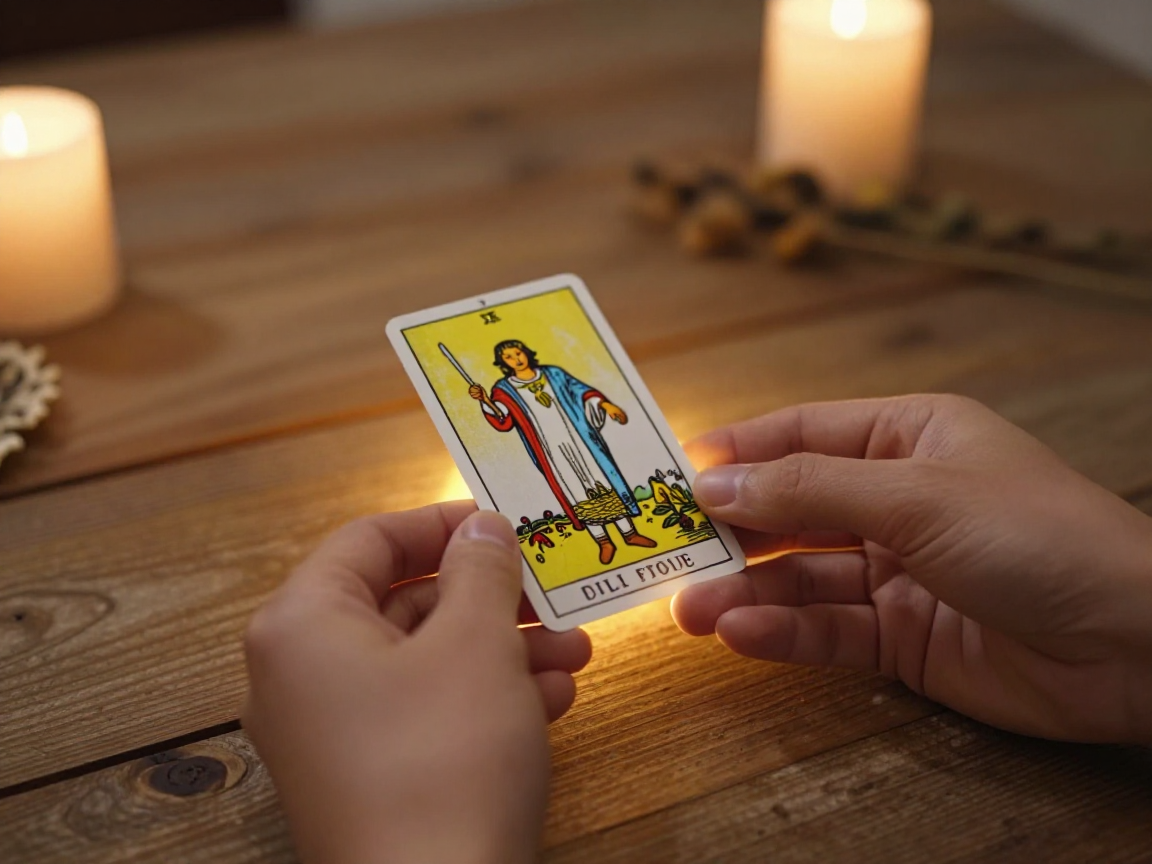
Many people pick up their first deck of tarot cards with a sense of wonder, only to find themselves immediately bogged down by the sheer volume of information they feel they must memorize. They spend weeks highlighting guidebooks and scouring the internet for the exact meaning of the Three of Swords or the specific astrological associations of the High Priestess. While understanding the traditional foundations of the cards is valuable, relying solely on external definitions often creates a barrier between the reader and the deck. This is where the practice of intuitive tarot reading changes the game. It shifts the experience from a mechanical translation of symbols into a fluid, living conversation with your own subconscious and the collective archetypes of human experience.
Intuitive tarot reading is less about what a card is supposed to mean and more about what it means to you in the present moment. It is the art of looking at an image and allowing your mind to make connections that the guidebook authors could never have anticipated. This approach transforms the cards from a set of static rules into a mirror for your inner wisdom. When you stop worrying about being right or wrong according to a manual, you open a channel for insights that are far more specific, nuanced, and emotionally resonant than anything found in a standard definition. By the end of this guide, you will understand how to bypass the analytical ego and step into a space of deep, reliable clarity.
What Exactly Is Intuitive Tarot Reading?
At its core, intuitive tarot reading is the practice of using the cards as a visual trigger for your innate psychic or intuitive abilities. It assumes that you already possess the answers you seek and that the cards are simply a tool to help you bring those answers to the surface. Traditional reading styles often focus on rote memorization—learning that the Ace of Pentacles means a new financial opportunity or a physical manifestation. An intuitive reader, however, might look at that same card and notice the way the light falls on the hand in the illustration, feeling a sudden, sharp sense of "waiting for permission" that has nothing to do with the textbook definition but everything to do with the person they are reading for.
This method does not reject tradition; rather, it uses tradition as a scaffold. You might know that the Tower usually represents upheaval, but in an intuitive tarot reading, you might see the falling figures and feel a sense of relief rather than fear. Your intuition is telling you that for this specific situation, the collapse is a necessary liberation. By prioritizing these internal hits over external rules, your readings become deeply personalized and far more accurate for the complexities of real life. It allows for a flexibility that the "Little White Book" simply cannot provide, adapting the ancient symbols to the modern, messy nuances of our everyday lives.
A 5-Step Framework for Developing Your Intuitive Sight
Transitioning from a book-reliant reader to an intuitive one requires a conscious shift in focus. It is about learning to trust your first impressions before your logical brain has a chance to intervene and rationalize the magic away. Use the following framework to begin cultivating your own style of intuitive tarot reading.
1. The Immediate "Zing"
When you flip a card over, what is the very first thing your eye lands on? Don't look at the whole card yet. Perhaps it is a specific color, a small bird in the background, or the expression on a character's face. This first impression is often the most important part of an intuitive tarot reading. It is your subconscious highlighting the specific frequency of the message before your ego tries to fit it into a memorized category. If your eye is drawn to the water in the background of the Two of Swords rather than the blindfolded woman, the message likely pertains to the emotional undercurrents rather than the decision itself.
2. Check Your Somatic Response
Your body often knows the answer before your mind does. As you look at a card, take a quick scan of your physical state. Do you feel a tightening in your chest? A sense of lightness in your stomach? A sudden warmth in your hands? These somatic cues are vital components of intuitive tarot reading. A card that usually signifies "victory," like the Six of Wands, might feel heavy or draining to you in a particular reading, suggesting that the "win" comes at too high a cost or that the seeker is performing for an audience they no longer care about.
3. Enter the Landscape of the Card
Imagine you could step inside the card. What is the temperature like? Is it windy? Silent? Crowded? If you were one of the characters in the scene, what would you be looking at that is off-camera? Engaging your senses in this way bypasses the analytical mind and allows the narrative of the card to unfold naturally. This technique helps you find the story within the spread, turning individual cards into a cohesive message. If you step into the Nine of Pentacles and feel a sudden chill despite the lush garden, you might realize the seeker feels isolated in their success.
4. Identify the Energy or "Vibe"
Sometimes intuition does not come in words or images, but in a general feeling. You might pull a card and simply feel "slow," "urgent," or "cluttered." In intuitive tarot reading, these energetic impressions are just as valid as specific visions. If a card feels stagnant, that is the message, even if the guidebook says the card represents progress. Trust the energy you are feeling over the text you have read. This energetic resonance is often what the seeker needs most, as it validates their lived experience rather than providing abstract advice.
5. Speak Before You Think
One of the best ways to practice intuitive tarot reading is to start speaking out loud the moment you see the card. Don't wait for a polished sentence. Say "Green, growing, fence, stuck, waiting, sun." As you string these raw observations together, your brain will naturally begin to weave them into a coherent insight. This prevents the mental filter from stopping the flow of intuitive data. Stream-of-consciousness reading is the fastest way to break the habit of looking up meanings in a book.
Why Imagery Trumps Memorization
Tarot is a visual language. The creators of most decks, such as the Rider-Waite-Smith, filled the cards with symbols intended to evoke emotional responses. When you practice intuitive tarot reading, you are returning to the original intent of the medium. The symbols are not codes to be cracked; they are doors to be opened. Every line, shadow, and color was chosen to communicate something to the human psyche.
Consider the difference between reading a weather report and actually standing outside in a storm. Memorizing the cards is like reading the report. Intuitive tarot reading is like feeling the wind on your face and the rain on your skin. When you look at the imagery, you are tapping into a universal symbolic language. Water represents emotions, mountains represent challenges, and paths represent the journey of the soul. Your intuition knows these symbols instinctively. By focusing on the visual cues—the way characters interact, the direction they are facing, and the dominant colors—you unlock a level of detail that a guidebook simply cannot provide. This creates a bridge between the ancient wisdom of the cards and the specific, unique circumstances of the present moment.
Overcoming the "Am I Doing It Right?" Anxiety
The biggest hurdle to mastering intuitive tarot reading is the fear of being wrong. We are conditioned to look for the "correct" answer, especially when we are starting something new. However, in the realm of intuition, the only "correct" answer is the one that resonates with the energy of the moment. If you pull the Three of Hearts and feel a sense of joy because the three figures look like they are celebrating a reunion, that is the meaning for that reading—even if the book mentions "sorrow" or "heartbreak."
To move past this mental block, try the following checklist to reset your mindset before a session:
- Acknowledge that there are no mistakes: Every hit you get is a piece of data from your subconscious.
- The cards are tools, not masters: You are the one with the wisdom; the cards are just the facilitators.
- Set a clear intention: Ask to be a clear vessel for the information that is most needed for growth.
- Give yourself permission to disagree: The guidebook author isn't in the room with you; your intuition is.
- Focus on curiosity: Instead of trying to be "accurate," try to be curious about what the card is showing you.
Practical Exercises to Strengthen Your Intuitive Muscle
Like any skill, intuitive tarot reading gets stronger with consistent use. You do not need to do a full Celtic Cross spread every day to improve. In fact, large spreads can often be overwhelming for beginners. Small, focused exercises can help you build the neural pathways necessary for quick, reliable intuitive hits.
The One-Minute Flash: Pull a card and set a timer for sixty seconds. Your goal is to talk continuously about the card for the entire minute without repeating yourself and without mentioning the traditional meaning. Describe the textures, the possible smells, the backstory of the people in the image, and the emotions you feel. This forces you to look deeper into the card and rely on your own perceptions rather than memory.
The Daily Mirror: Before you check the news or your email in the morning, pull one card. Instead of asking "What will happen today?" ask "What is the energy of my inner world right now?" Look at the card and find one element that mirrors how you felt when you woke up. This creates a personal link between the tarot and your lived experience, which is the foundation of successful intuitive tarot reading. Over time, you will start to see the cards everywhere in your environment.
The Power of the Narrative Thread
In a multi-card spread, the magic happens in the "liminal space" between the cards. A traditional reader might interpret Card A and then Card B as two separate entities. An intuitive tarot reader looks for the thread that connects them. This is where the story truly comes alive. Are the characters in the cards looking at each other? Is there a color that carries over from the first card to the third? Does the landscape in the first card look like a zoomed-out version of the landscape in the second?
This narrative approach allows you to see the "why" and "how" of a situation. It turns a reading into a map of cause and effect, shadow and light. By trusting your intuition to bridge the gaps between symbols, you provide a reading that feels like a cohesive journey rather than a list of definitions. This is why intuitive tarot reading is so effective for personal transformation; it tells a story that the seeker can actually recognize themselves in. It moves the practice from fortune-telling into the realm of soul-work.
Ultimately, the goal of intuitive tarot reading is to reach a point where the cards are almost secondary to the insight. They become a starting point, a spark that lights a fire of inner knowing. As you continue to practice, you will find that your confidence grows not just in your ability to read the cards, but in your ability to trust yourself in all areas of life. The cards are simply a training ground for the intuition you carry with you every single day. Trust what you see, feel what is there, and let the cards speak their truth through you.