Decoding Your Nightly Language: How a Dream Symbols Dictionary Unlocks Your Subconscious
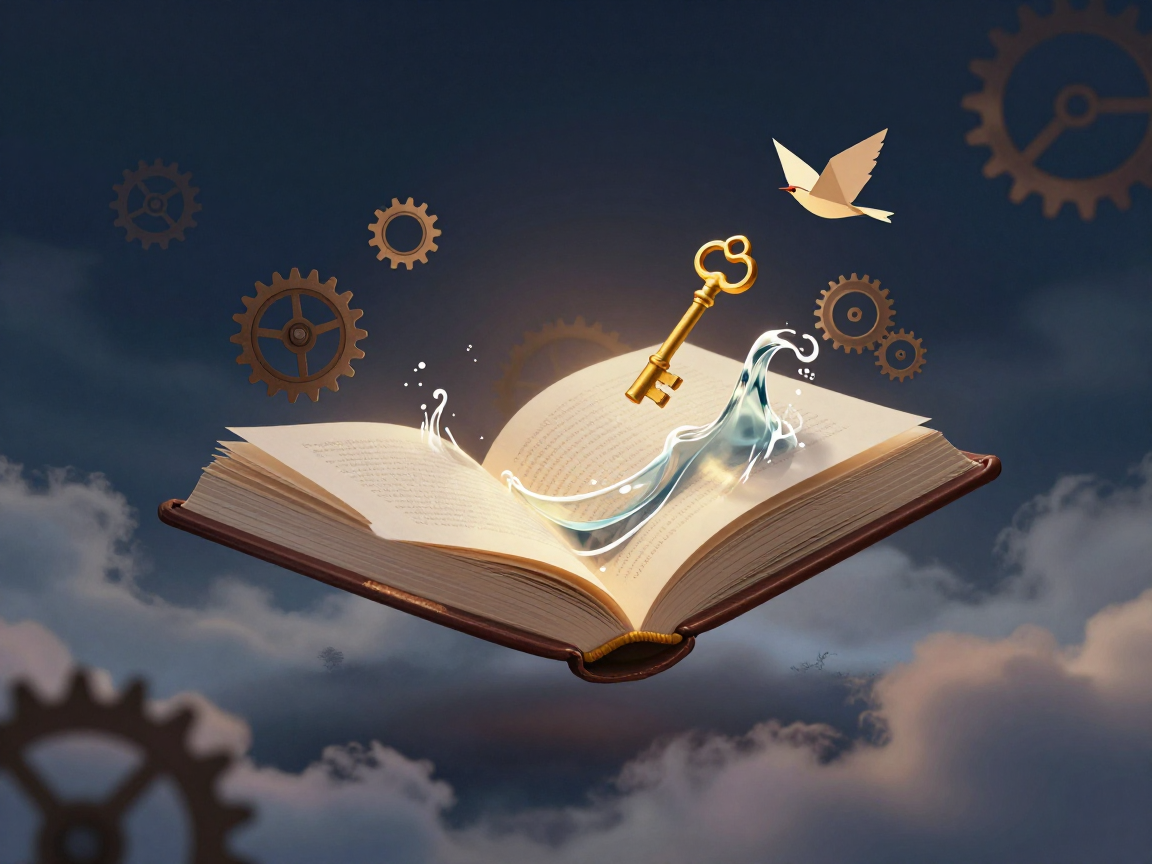
Every night, when you close your eyes and drift into REM sleep, your mind begins a complex process of storytelling. These stories are rarely linear or literal. Instead, they are woven from a dense tapestry of metaphors, emotions, and archetypes. To the waking mind, a dream about a missing suitcase or a wandering bear can feel like nonsensical noise. However, many psychologists and spiritual practitioners believe these images are a sophisticated form of internal communication. When you learn to consult a dream symbols dictionary with the right mindset, you begin to see that your subconscious is not just firing random neurons; it is attempting to process your reality.
Understanding this language requires a shift in perspective. We are used to a world where a car is just a vehicle and a house is just a building. In the dream world, these objects are containers for meaning. A car might represent your sense of agency or the direction your life is taking, while a house often represents the architecture of your own psyche. By using a dream symbols dictionary as a map rather than a rigid rulebook, you can begin to bridge the gap between your conscious goals and your hidden anxieties, desires, and intuitive hits.
Why Context Matters More Than Definitions
Before diving into specific entries in a dream symbols dictionary, it is vital to understand that symbols are not one - size - fits - all. While there are universal archetypes that appear across cultures - such as water representing emotion - your personal history acts as a filter. If you grew up as a competitive swimmer, a dream about a pool will have a vastly different resonance than it would for someone who once had a near - drowning experience.
When you look up a term in a dream symbols dictionary, you should view the definition as a prompt for reflection. Ask yourself: "Does this definition trigger a feeling of recognition in my gut?" or "How does this symbol relate to what happened in my life over the last forty - eight hours?". The dictionary provides the theme, but your life provides the plot. This nuanced approach prevents you from over - simplifying the rich, multi - layered messages your brain is working so hard to deliver.
The Essential Dream Symbols Dictionary: Common Archetypes Explained
To help you begin your journey into self - discovery, here are some of the most frequently reported dream symbols and their common psychological interpretations.
1. Water: The Mirror of Emotion
Water is perhaps the most common entry in any dream symbols dictionary. It almost always relates to the state of your emotional world. The clarity and behavior of the water provide the context. Calm, clear water suggests peace and emotional clarity. Turbulent, muddy, or overwhelming waves often point to feeling "swamped" by stress or suppressed feelings. A flood might indicate that a situation in your waking life feels out of control, threatening to wash away your foundations.
2. Houses: The Anatomy of the Self
In the realm of dreams, a house is typically a metaphor for the dreamer themselves. The different rooms often correspond to different aspects of your life. The attic might represent your intellect or higher aspirations, while the basement represents the subconscious or things you have "buried" away. Discovering new, empty rooms in a house is a positive sign, often suggesting that you are uncovering new talents or potential within yourself that you hadn't previously recognized.
3. Falling: The Loss of Control
Almost everyone has experienced the "falling" dream. In a dream symbols dictionary, falling is rarely about physical danger. Instead, it is the primary symbol for a lack of stability or a fear of losing control in a waking situation. It can occur when you feel unsupported at work or in a relationship. Interestingly, if you enjoy the fall, it may symbolize letting go of a burden or surrendering to a necessary change.
4. Teeth Falling Out: Communication and Power
One of the most distressing dreams involves losing teeth. Historically, a dream symbols dictionary might have linked this to aging or death, but modern psychology views it differently. Teeth are tools for biting, chewing, and speaking. Losing them often symbolizes a "loss of face" or a feeling that you have lost your ability to communicate effectively. It may also represent a situation where you feel powerless or unable to "get a grip" on a problem.
5. Being Chased: Avoidance Patterns
When you are being pursued in a dream, the focus shouldn't necessarily be on the pursuer, but on the act of running. This symbol usually points to something in your waking life that you are avoiding. It could be a difficult conversation, a looming deadline, or an aspect of your own personality that you are not ready to face. The closer the pursuer gets, the more urgent the issue has become.
A 4 - Step Framework for Accurate Interpretation
Using a dream symbols dictionary effectively requires a structured approach. Simply looking up a word is not enough to unlock the full message. Follow this framework to get to the heart of your nightly visions:
- Identify the Core Emotion: Before you look at the symbols, ask yourself how you felt during the dream. Were you terrified, curious, bored, or exhilarated? The emotion is the "key" that unlocks the symbol. A dog in a dream where you feel happy means something very different than a dog in a dream where you feel panicked.
- Isolate the Primary Symbol: Pick the one image that stands out the most. If you dreamed of a blue bird sitting on a burning fence, decide which felt more significant: the bird, the color blue, or the fire. Look that up in your dream symbols dictionary first.
- Apply the "Day Residue" Filter: Look at your life from the previous day. Did you see a bird? Did you have a "heated" argument? Often, the brain uses imagery from our daily lives as the "props" to act out deeper emotional themes. This is known as day residue.
- Synthesize the Meaning: Combine the dictionary definition, your emotional state, and your recent life events. Does the interpretation provide a "click" of insight? If it feels forced, keep digging or set it aside. Your intuition will tell you when you have found the right meaning.
Nature and Animals: Tapping Into Instinct
When animals appear in our dreams, they often represent our primal instincts or specific personality traits we associate with those creatures. A dream symbols dictionary can help categorize these into helpful themes:
- Snakes: These are complex symbols. They can represent a "snake in the grass" (someone untrustworthy) or, more positively, transformation and healing (like a snake shedding its skin).
- Birds: Generally associated with freedom, perspective, and the element of air (thoughts). High - flying birds suggest a "bird's eye view" of a situation, while a caged bird reflects feelings of restriction.
- Cats and Dogs: These often represent the feminine and masculine energies, or our relationships with friends (dogs) and our own independence (cats).
- Spiders: Often linked to the idea of a "web" of lies, or alternatively, the "weaver" of one's own destiny. It can also represent a mother figure or a feeling of being manipulated.
Transportation: The Path of Your Life
How you move in a dream says a lot about how you feel you are progressing in life. Whether you are the driver or a passenger is a crucial detail that a dream symbols dictionary will highlight.
- Cars: Represent your personal drive. If the brakes fail, you feel you are moving too fast in life. If you are in the passenger seat, you might feel that someone else is controlling your destiny.
- Planes: Symbolize high ambitions or a "take off" in a new project. Turbulence suggests that the path to your goals will be rocky.
- Trains: Unlike cars, trains move on a fixed track. This can represent a feeling of being "on track" and part of a collective movement, or a feeling that your life is too rigid and predetermined.
Checklist: Starting Your Own Dream Archive
To make the most of any dream symbols dictionary, you need a personal record to compare it against. Use this checklist to build a practice that improves your dream recall and interpretation skills over time.
- Keep a dedicated journal: Place it on your nightstand with a pen. Even a digital voice recorder works if you prefer not to write.
- Write in the present tense: Instead of saying "I was walking," write "I am walking." This keeps the emotional connection to the dream active.
- Note the "Insignificant" details: The color of a shirt, the weather, or a specific smell can often be the most telling symbols.
- Give the dream a title: Summarizing the dream into a short, punchy title (e.g., "The Infinite Elevator") helps you identify the core theme quickly.
- Look for patterns: Over weeks or months, you may notice recurring symbols. Your personal dream symbols dictionary will start to emerge as you see how these images correlate with your life cycles.
The Power of the Subconscious Mind
Ultimately, a dream symbols dictionary is a bridge between two worlds. It provides the vocabulary for a conversation that is already happening within you. While it is tempting to want a literal answer - like "dreaming of a cat means you will get a promotion" - the reality is much more rewarding. Dreams offer a mirror to your soul, showing you the parts of yourself that are hidden from view during the frantic pace of the day.
By engaging with these symbols, you are telling your subconscious that you are listening. This often leads to more vivid, helpful, and even lucid dreams. Whether you are dealing with a major life transition or just curious about a strange image that stayed with you after waking, exploring these meanings is an act of self - care. It allows you to move through the world with a greater sense of awareness, guided by the deep wisdom that only surfaces when the rest of the world is quiet.