Beyond the Nap: Why Deep Rest Non Sleep (NSDR) is the Ultimate Tool for a Fried Nervous System
In our modern world, we are consistently rewarded for high performance, constant availability, and the relentless pursuit of more. We have become experts at the push, but we have largely forgotten the art of the pause. This constant state of physiological arousal has led to a collective burnout where we feel "wired but tired" - a state where our bodies are exhausted, yet our minds remain stuck in a loop of low - level anxiety. We try to fix this with more caffeine, mindless scrolling, or the occasional afternoon nap that often leaves us feeling more groggy than when we started.
There is, however, a more surgical tool for recovery that is gaining massive popularity in the worlds of neuroscience and high performance. It is called deep rest non sleep (NSDR). Unlike a traditional nap, which can disrupt your circadian rhythm or leave you in a state of sleep inertia, NSDR is a protocol designed to guide your brain into a state of deep relaxation while you remain conscious. It acts as a deliberate off - switch for the sympathetic nervous system, allowing for a rapid reset of your mental and physical state without the side effects of midday slumber.
Understanding the Mechanics of Deep Rest Non Sleep (NSDR)
To understand why deep rest non sleep (NSDR) is so effective, we have to look at what happens in the brain when we are stressed versus when we are at rest. Most of our waking hours are spent in a state of high - frequency brainwave activity, specifically Beta waves. These waves are essential for logic, critical thinking, and social interaction, but staying in this state indefinitely is metabolically expensive. It drains our reserves of dopamine and keeps our cortisol levels elevated.
NSDR works by intentionally slowing down these brainwaves. Through a combination of specific breathing patterns and directed focus - often called a body scan - the practitioner moves from Beta waves into Alpha and eventually Theta waves. Theta waves are the "sweet spot" of recovery. This is the state we usually inhabit just before we fall asleep or just as we are waking up. By hovering in this liminal space between wakefulness and sleep, we allow the prefrontal cortex - the CEO of the brain - to take a break. This process facilitates the replenishment of neuromodulators like dopamine, which are essential for motivation and focus.
While the term was recently popularized by Stanford neuroscientist Dr. Andrew Huberman, the practice of deep rest non sleep (NSDR) is actually built upon the ancient foundation of Yoga Nidra. Yoga Nidra, or "yogic sleep", has been used for centuries to achieve deep meditative states. The modern rebranding as NSDR helps strip away the mystical connotations, making it accessible for those who want a secular, science - backed method to optimize their brain function.
Why NSDR is Superior to Traditional Napping
Many of us have experienced the dreaded "nap trap". You lay down for twenty minutes, fall into a deep sleep, and wake up an hour later feeling disoriented and heavy. This is known as sleep inertia. It happens because your brain was pulled out of a deep sleep cycle before it could complete it. This can ruin your productivity for the rest of the afternoon and make it much harder to fall asleep at your actual bedtime.
Deep rest non sleep (NSDR) solves this problem by keeping you in a state of "restful awareness". Because you never actually enter the deeper stages of REM or slow - wave sleep, you don't have to deal with the grogginess of sleep inertia. When the session ends, you typically feel a sense of calm clarity. You are ready to return to work or study immediately, often with a level of focus that feels fresh and sustainable.
Furthermore, NSDR can be used as a powerful tool for neuroplasticity. Research suggests that the brain consolidates learning not just during nighttime sleep, but also during these periods of deep, conscious rest. If you are learning a new skill or studying complex information, performing a twenty - minute session of deep rest non sleep (NSDR) shortly after your practice can significantly increase the rate at which those new neural connections are formed.
A Step - by - Step Framework for Your NSDR Practice
One of the best things about deep rest non sleep (NSDR) is that it requires no special equipment and very little space. You can do it at your desk, on a plane, or on your living room floor. The goal is to minimize sensory input so your nervous system can downshift.
Follow this five - step framework to begin your practice:
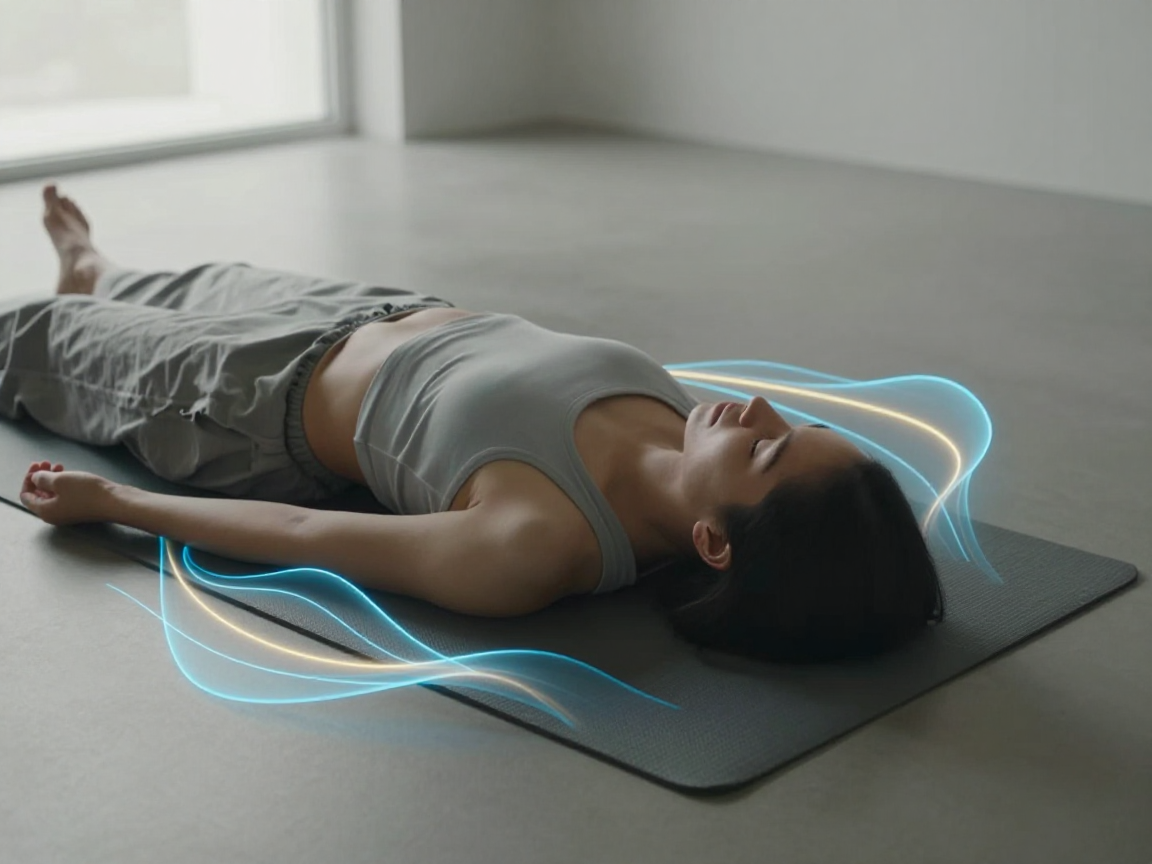
- Eliminate Sensory Friction: Find a place where you won't be interrupted. Dim the lights if possible, or use a sleep mask. If the environment is noisy, use noise - canceling headphones or a white noise machine. Lie down on your back with your arms at your sides.
- The Physiological Sigh: Start with two or three physiological sighs to rapidly offload carbon dioxide. Inhale deeply through your nose, then take a second, shorter "sharp" inhale at the very top to fully expand the lungs. Exhale slowly through your mouth until your lungs are empty. This signal tells your brain it is safe to relax.
- The Progressive Body Scan: Mentally move your attention through your body, starting at the toes. Don't try to change anything; simply notice the sensations in your feet, your shins, your knees, and so on. This task gives the mind just enough to do so that it doesn't wander into stressful thoughts, but not so much that it stays in an active state.
- Softened Gaze and Visualization: Even with your eyes closed, imagine your internal gaze softening. Some practitioners find it helpful to imagine they are looking at a vast, dark horizon. This shift in visual processing helps move the brain out of the "focal" mode associated with stress.
- The Gentle Return: After 10 to 30 minutes, begin to wiggle your fingers and toes. Do not rush to stand up. Spend sixty seconds simply noticing the state of your mind before returning to your day.
The Holistic Benefits of Regular Practice
While immediate focus is a great benefit, the long - term advantages of deep rest non sleep (NSDR) are even more profound. By regularly training your nervous system to move from a state of high stress to a state of deep rest, you are essentially increasing your "vagal tone". This refers to the health and function of your vagus nerve, which is the primary driver of the parasympathetic nervous system.
Individuals with high vagal tone are more resilient. They can handle stress without becoming overwhelmed, and they recover from emotional triggers much faster. Regular NSDR practice acts like a gym for your nervous system, teaching it that it doesn't have to stay in "fight or flight" mode just because you have a busy inbox or a challenging project.
Other benefits include:
- Lowered Resting Heart Rate: By reducing the constant drip of stress hormones, your cardiovascular system doesn't have to work as hard.
- Improved Immune Function: Deep rest allows the body to redirect energy toward repair and defense mechanisms that are often sidelined during high - stress periods.
- Enhanced Emotional Regulation: When the prefrontal cortex is rested, you are less likely to react impulsively to frustration or anger.
- Mitigation of Sleep Debt: While it doesn't replace nighttime sleep, NSDR can help take the edge off the cognitive decline associated with a poor night of rest.
How to Integrate NSDR into a Busy Schedule
Many people feel they don't have time for a twenty - minute break. However, the math of productivity suggests that you actually don't have time not to rest. A brain that is operating at 60% capacity due to fatigue will take four hours to complete a task that a rested brain could finish in two. By investing twenty minutes in deep rest non sleep (NSDR), you are often gaining back hours of high - quality output.
Consider these integration strategies:
- The Post - Lunch Slump: Instead of a third cup of coffee at 2:00 PM, try a 10 - minute NSDR session. It will clear the adenosine buildup in your brain and provide a more sustainable energy boost than caffeine.
- The Commute Transition: If you take public transit or have a quiet moment before you walk into your house after work, use NSDR to "decompress". This helps you leave work stress at the door so you can be fully present with your family.
- Pre - Sleep Primer: If you struggle with a racing mind at night, do an NSDR session in bed. Even if you don't fall asleep immediately during the practice, it lowers your system's arousal level, making it significantly easier for natural sleep to take over shortly after.
Overcoming Common Challenges
When you first start practicing deep rest non sleep (NSDR), you might find it difficult to sit still. You might feel an itch, or your mind might scream at you that you have too much to do. This is normal. It is actually a sign that your nervous system is so accustomed to being "on" that "off" feels dangerous.
If your mind wanders, don't judge yourself. Simply acknowledge the thought and return your focus to the body scan or your breath. The "benefit" of the practice isn't in being perfectly still; it is in the act of repeatedly catching your mind and bringing it back to a state of rest. Over time, the friction will decrease, and you will find yourself dropping into a deep state of calm within minutes.
Another common concern is whether you are "doing it right". There is no way to fail at NSDR. Even if you spend twenty minutes just lying still and breathing poorly, you are still providing your body with more rest than if you were checking emails. The goal is not perfection, but rather the intentional withdrawal from the demands of the external world.
Conclusion: The Power of Intentional Stillness
We live in an age where rest is often seen as a luxury or a sign of weakness. However, the science of deep rest non sleep (NSDR) proves that rest is a biological imperative for those who want to perform at their best. By utilizing these protocols, you aren't just "doing nothing"; you are actively repairing your brain, balancing your hormones, and reclaiming your focus.
In a world that never stops moving, the ultimate competitive advantage is the ability to be still. Whether you are an athlete looking for faster recovery, a student trying to retain information, or a parent trying to keep your cool, NSDR offers a path back to center. It is a reminder that we are not machines meant for constant output, but biological systems that require deep, intentional cycles of rest to truly thrive.