Beyond Willpower: Why Changing Neural Pathways is the Only Way to Truly Transform
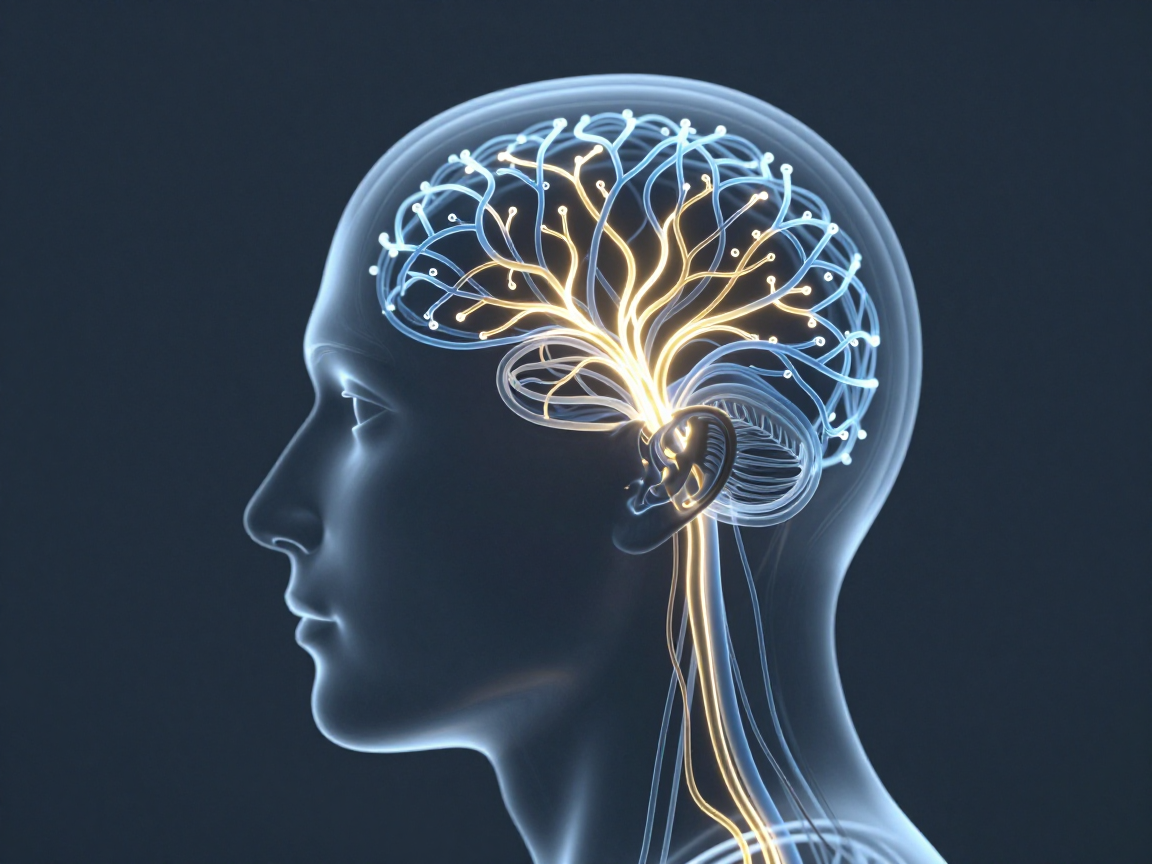
Most of us have experienced the silent frustration of a New Year's resolution that withered by February or a self-improvement habit that felt like an uphill battle against our own nature. We often blame a lack of discipline or a weak character, but the reality is far more biological than moral. When you struggle to break a cycle of behavior—whether it is chronic procrastination, reactive anger, or a persistent negative inner monologue—you aren't just fighting your mind; you are fighting the physical infrastructure of your brain. These habits are not just 'thoughts'; they are deeply etched physical tracks within your gray matter. However, the most profound discovery in modern neuroscience is that these tracks are not permanent. By understanding the process of changing neural pathways, you can stop fighting against your biology and start working with it to create lasting evolution.
For decades, the scientific consensus was that the adult brain was a finished product—a 'fixed' organ that could only decline with age. We now know that the brain possesses an incredible quality called neuroplasticity. This is the brain's innate ability to reorganize itself by forming new neural connections throughout life. Changing neural pathways is the literal process of remodeling your internal architecture. It is the transition from a brain that is hardwired for survival and repetition to a brain that is optimized for growth and intention. To navigate this journey, we must first look at how these pathways are built and why they are so stubborn to change.
The Biological Blueprint: How Changing Neural Pathways Actually Works
To understand the mechanics of changing neural pathways, imagine your brain as a dense, untracked forest. When you learn something new or perform a specific action, it is like walking through that forest for the first time. You have to push through branches and clear a path. It is difficult, slow, and requires immense energy. In neurological terms, this corresponds to neurons firing in a new sequence. This initial connection is weak, and the signal moves slowly across the synapses.
However, the brain is an organ obsessed with efficiency. If you walk that same path through the forest every day, the grass gets flattened, the branches stay back, and eventually, a clear trail emerges. This is governed by Hebb’s Law: "Neurons that fire together, wire together." As you repeat a behavior, the brain begins a process called myelination. A fatty, insulating layer known as myelin wraps around the neural fibers, much like the plastic insulation on a high-speed copper wire. This insulation allows electrical signals to travel up to 100 times faster. Once a pathway is heavily myelinated, it becomes a 'superhighway.' This is how a conscious effort becomes an unconscious habit. Changing neural pathways is essentially the process of choosing to stop using the superhighway so it can grow over, while simultaneously hacking out a brand-new trail until it, too, becomes a paved road.
This process is not merely metaphorical. It involves 'synaptic pruning,' where the brain systematically weakens and eventually disconnects the pathways that are no longer being used. This 'use it or lose it' principle is the key to transformation. When you focus on changing neural pathways, you are directing your brain's resources away from old, maladaptive patterns and toward new, constructive ones. But because the old pathways are so efficient and low-energy, the brain will naturally try to default to them whenever you are tired, stressed, or distracted.
Why Your Brain Fights Back: Understanding the Resistance to Change
If the brain is plastic and capable of change, why does it feel so incredibly difficult to stop a bad habit? The answer lies in the brain’s primary directive: survival. Your brain views the 'paved' neural pathways as safe because they are known. Even if a pathway leads to a behavior that makes you miserable—like emotional eating or catastrophic thinking—your brain recognizes that you have survived those behaviors in the past. To the primitive parts of your brain, the 'known' is safe, and the 'unknown' (the new pathway) is a potential threat.
This creates a state of internal resistance known as homeostasis. When you begin the work of changing neural pathways, your nervous system often interprets the effort as a stressor. You might feel a sense of 'wrongness,' anxiety, or an intense craving to return to your old ways. This is not a sign that you are failing; it is a sign that your brain is noticing the change. Furthermore, because building new pathways requires significant metabolic energy, your brain will try to 'save' energy by steering you back toward the old, myelinated tracks. Understanding that this resistance is a biological safeguard rather than a personal failure is the first step toward overcoming it.
The Rewire Framework: 5 Steps for Intentionally Changing Neural Pathways
Changing the physical structure of your brain requires a strategic approach. It is not enough to simply 'think positive.' You must provide the brain with the stimulus, repetition, and environment it needs to physically restructure itself. Here is a framework for intentional neuroplasticity.
1. The Power of Meta-Cognitive Awareness
You cannot change a pathway that you are currently traveling on unconsciously. Most of our habits are controlled by the basal ganglia, which operates below the level of conscious thought. To begin changing neural pathways, you must bring the behavior into the prefrontal cortex—the part of the brain responsible for logic and decision-making.
- The Action: Practice 'labeling.' When you feel an old impulse, say it out loud or in your head: "I am currently having the thought that I am not good enough," or "I am experiencing the urge to check my phone for a distraction." This simple act of labeling creates a 'neural gap' between the stimulus and your reaction, allowing you to choose a different path.
2. The Pattern Interrupt
Once you have identified that the old 'superhighway' is about to be used, you must interrupt the signal before it gains momentum. The longer a neural sequence runs, the harder it is to stop. You need to create a 'speed bump' that breaks the automaticity of the old pathway.
- The Action: Use a physical or sensory disruptor. If you feel a surge of stress, change your physical environment. Stand up, splash cold water on your face, or take five 'box breaths' (inhale for 4, hold for 4, exhale for 4, hold for 4). This sudden shift in sensory input forces the brain to pause the automated program.
3. Deliberate Substitution (The 'If-Then' Strategy)
Nature abhors a vacuum, and so does the brain. If you try to simply 'stop' a neural pathway without providing an alternative, the brain will eventually slide back into the old groove. Successful changing neural pathways involves giving the neurons a new direction to fire.
- The Action: Create an implementation intention. "If I feel the urge to criticize myself, then I will immediately find one objective fact about the situation." This gives the brain a clear, pre-planned alternative route, reducing the cognitive load required to make a new choice in the moment of stress.
4. Emotional Amplification and Dopamine Spiking
Neuroplasticity is highly dependent on chemical signals. When we experience something emotionally significant, the brain releases neurochemicals like dopamine and norepinephrine, which act as 'save' buttons for neural connections. You can 'hack' this by intentionally celebrating small wins.
- The Action: When you successfully choose the new pathway, take 10 to 15 seconds to truly savor the feeling of success. This isn't just 'positive thinking'; it is a biological strategy to flood the brain with dopamine, which tells the brain that this new pathway is important and should be myelinated quickly.
5. High-Frequency Repetition
Biology does not change overnight. While 'Aha!' moments feel great, they do not build myelin. Myelin is built through consistent, repetitive firing. Research suggests that while simple habits might take 21 days to form, complex changes in neural pathways can take anywhere from 66 to 250 days of daily practice.
- The Action: Focus on the 'Minimum Viable Practice.' Do not try to rewrite your entire brain at once. Pick one specific pathway you want to change and commit to the pattern interrupt and substitution every single day, without fail, for at least three months. Consistency is more important than intensity when it comes to brain remodeling.
Cultivating the Soil: Lifestyle Habits That Accelerate Brain Plasticity
Changing neural pathways is much easier when the 'soil' of your brain is fertile. Your brain's level of plasticity is not static; it is influenced by your physiological state. If your brain is inflamed or exhausted, it will remain rigid. To support your rewiring efforts, ensure you are meeting these biological prerequisites:
- Deep Sleep Consolidation: Sleep is when the actual physical changes in your brain occur. During REM and deep sleep, the brain 'replays' the patterns of the day and strengthens the new synaptic connections you practiced. Without 7–9 hours of quality sleep, the work you do during the day to change your pathways is largely lost.
- The BDNF Boost: Brain-Derived Neurotrophic Factor (BDNF) is a protein that acts like fertilizer for neurons. It supports the growth of new synapses and protects existing ones. High-intensity interval training (HIIT) and aerobic exercise are the most effective ways to naturally increase BDNF, making your brain more 'moldable' for changing neural pathways.
- Omega-3 Fatty Acids: Your brain is roughly 60% fat, and DHA (an Omega-3) is a primary structural component. A diet rich in Omega-3s ensures that the cell membranes of your neurons are fluid and flexible, which is essential for forming new connections.
- Chronic Stress Mitigation: High levels of cortisol (the stress hormone) actually 'freeze' the brain's plasticity and can even shrink the hippocampus, the center of learning. Practicing regular mindfulness or meditation isn't just about relaxation; it is about lowering cortisol levels to allow the machinery of neuroplasticity to function.
Navigating the 'Messy Middle' of Transformation
One of the greatest mistakes people make when changing neural pathways is expecting the process to feel good. In reality, the middle stage of rewiring feels clunky, fake, and exhausting. You are essentially trying to learn to write with your non-dominant hand while your dominant hand is screaming for the pen.
This 'cognitive friction' is actually the feeling of neuroplasticity in action. When you feel that internal resistance, it means you have successfully reached the frontier of your current programming. If you can learn to reframe that discomfort as a signal of progress, you become unstoppable. The goal isn't to wait until the new behavior feels 'natural' to do it; the goal is to do the new behavior until it becomes natural.
Changing neural pathways is a testament to human agency. It means that we are not merely the products of our past or our genetics. We are the architects of our own minds. By combining the precision of neuroscience with the persistence of dedicated practice, you can dismantle the old structures of your life and build a mental landscape that truly reflects who you want to be. The forest may be dense, and the old roads may be paved, but with every conscious breath and every intentional choice, you are carving a new way forward.