Rewiring the \"Fixed\" Mind: How Brain Plasticity Allows You to Change at Any Age
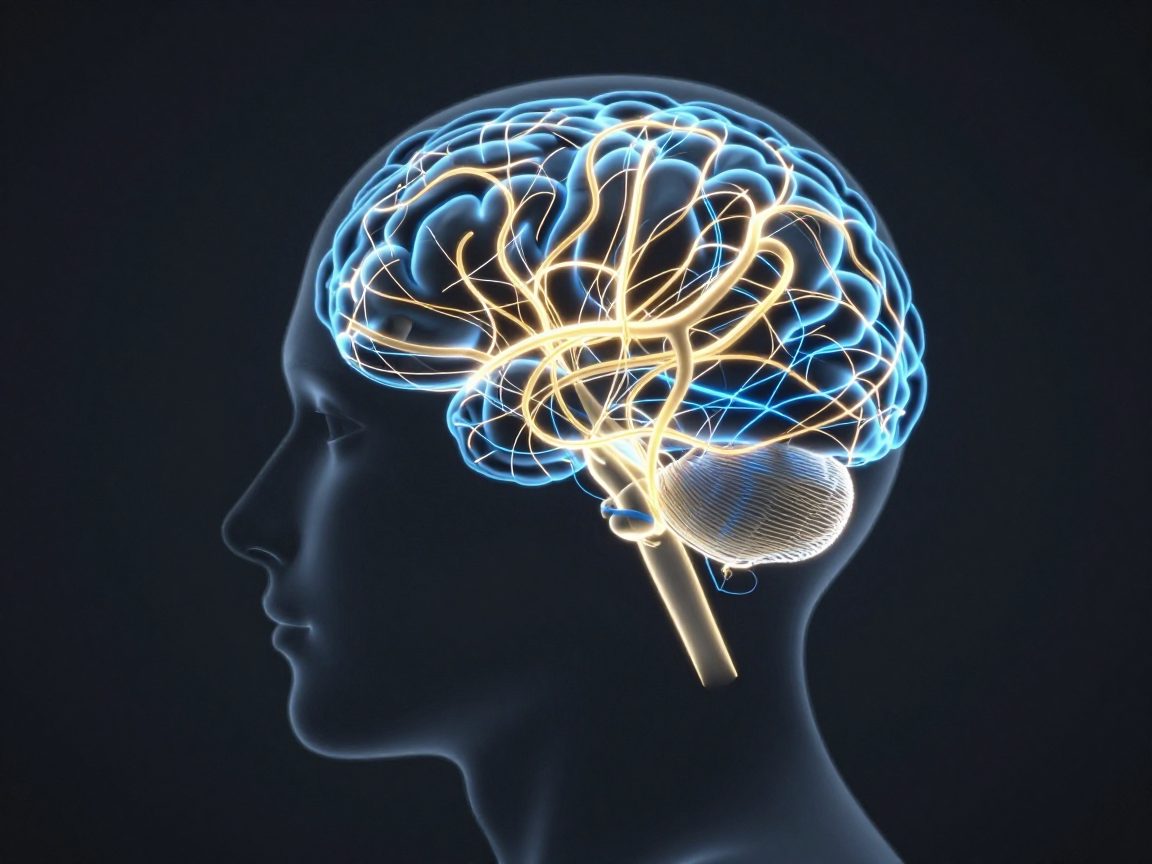
For decades, the consensus in the scientific community was that the adult human brain was a static organ. We were taught that we were born with a fixed number of neurons and that, as we aged, those neurons simply withered away without any hope of replacement. This perspective led to a sense of biological fatalism - the idea that your personality, your intelligence, and your emotional triggers were effectively set in stone by the time you reached your mid - twenties. If you were a naturally anxious person or a slow learner, that was simply your lot in life.
However, the discovery of brain plasticity - also known as neuroplasticity - has completely overturned this rigid worldview. We now know that the brain is not a porcelain vase that remains unchanged until it breaks. Instead, it is more like a living, breathing landscape or a dynamic muscle that constantly reorganizes itself in response to your thoughts, behaviors, and environment. This means that change is not only possible but is actually the brain's natural state. Whether you are looking to learn a new language, recover from a traumatic injury, or break a lifelong habit, brain plasticity is the biological engine that makes it happen.
What is Brain Plasticity?
At its core, brain plasticity refers to the ability of the nervous system to change its activity in response to intrinsic or extrinsic stimuli. This change occurs through the reorganizing of its structure, functions, or connections. It is the process by which the brain maps and remaps itself as we move through the world. This isn't just a metaphorical change; it is a physical one. When you learn something new, your brain physically alters its circuitry to accommodate that information.
There are two primary ways this happens. The first is functional plasticity, which is the brain's ability to move functions from a damaged area to an undamaged area. This is often seen in stroke survivors who relearn how to walk or speak by engaging different parts of the brain. The second is structural plasticity, which is the brain's ability to actually change its physical structure as a result of learning and experience. This involves the creation of new neurons - a process called neurogenesis - and the strengthening or weakening of the connections between them.
The Mechanisms of Neural Change
To understand how to harness brain plasticity, we have to look at what happens at the microscopic level. You may have heard the phrase "neurons that fire together, wire together". This is the fundamental law of neuroplasticity. When you repeat a behavior or a thought pattern, the synaptic gap between the neurons involved in that action becomes smaller, and the signal moves more efficiently. Over time, these pathways become like well - paved highways, making the behavior almost automatic.
Conversely, there is a process known as synaptic pruning. This is the brain's way of being efficient. If you stop using a particular neural pathway, the brain eventually prunes those connections to make room for more relevant ones. This is the biological reality behind the phrase "use it or lose it". If you stop practicing a musical instrument, the neural networks dedicated to that skill will begin to degrade. While this might sound discouraging, it is actually a vital part of growth. Pruning allows the brain to focus its energy on the skills and information that actually matter to your current life.
The Role of BDNF: The Brain's Fertilizer
If you want to maximize brain plasticity, you need to understand Brain - Derived Neurotrophic Factor, or BDNF. Scientists often refer to BDNF as "Miracle - Gro" for the brain because it supports the survival of existing neurons and encourages the growth of new ones. High levels of BDNF make the brain more malleable, allowing for faster learning and better memory retention.
Low levels of BDNF are associated with depression, anxiety, and cognitive decline. Fortunately, you have a significant amount of control over your BDNF levels. Aerobic exercise is one of the most potent ways to trigger its release. When you engage in vigorous physical activity, your body produces a protein that travels to the brain and stimulates the production of BDNF, effectively priming your neural environment for change. This is why many people find they have their best ideas or most profound realizations after a run or a long walk.
A 5 - Pillar Framework for Proactive Brain Change
If you want to intentionally direct your brain plasticity to improve your life, you cannot simply wait for it to happen. You must create the conditions that allow for neural remodeling. Here is a framework to guide that process:
- Novelty and Challenge: The brain ignores what it already knows. To trigger plasticity, you must step outside of your comfort zone. This could be as simple as taking a different route to work or as complex as learning to code. The key is that it must feel "hard" at first.
- Focused Attention: Plasticity requires a high degree of focus. Multitasking is the enemy of neural change. When you are trying to rewire a habit or learn a skill, you must give it your undivided attention to ensure the correct neurons are firing in unison.
- Repetition and Consistency: A single session of learning will not create a permanent change. You are building a physical structure, and that requires repeated signals over time. Think of it like carving a path through a forest; you have to walk the trail many times before the grass stops growing back.
- Adequate Sleep: This is perhaps the most overlooked pillar. The actual physical remodeling of your brain happens while you sleep. During the REM and deep sleep cycles, your brain consolidates what you learned during the day and clears out metabolic waste. Without sleep, the new connections you're trying to build remain fragile.
- Emotional Salience: The brain prioritizes information that it perceives as important. If a piece of information is tied to a strong emotion or a clear purpose, the brain is much more likely to "wire" it in. This is why we remember traumatic or joyful events so much more clearly than what we had for lunch three Tuesdays ago.
Overcoming the Resistance to Change
One of the most difficult aspects of brain plasticity is that it works both ways. The brain doesn't distinguish between "good" habits and "bad" habits; it only distinguishes between "used" and "unused". If you have spent twenty years reacting to stress with anger, your brain has built a massive, high - speed neural highway for that response. Trying to build a new response - like deep breathing or pause - is like trying to forge a path through a dense jungle with a butter knife.
This is why change feels so exhausting in the beginning. You are literally fighting against the physical architecture of your own head. Understanding this can provide a sense of self - compassion. When you find it difficult to stick to a new routine, it isn't necessarily a failure of willpower; it is simply the reality of the "uphill" phase of brain plasticity. If you can push through the initial resistance, the path will eventually become smoother as the new connections strengthen and the old ones begin to prune away.
Practical Exercises to Stimulate Plasticity Daily
You do not need a laboratory or a neuroscientist to begin leveraging brain plasticity. There are several small, daily practices that can keep your brain agile and receptive to change:
- Use your non - dominant hand: Try brushing your teeth or eating with your left hand if you are right - handed. This forces your brain to build new motor maps and breaks the autopilot of daily life.
- Read fiction: Immersing yourself in a story requires the brain to simulate environments and emotions, engaging multiple regions of the brain simultaneously.
- Intermittent Fasting: Some studies suggest that short periods of fasting can increase BDNF levels and stimulate the production of new neurons by putting a "healthy stress" on the brain.
- Learn a musical instrument: This is one of the most powerful ways to increase plasticity, as it requires the coordination of motor skills, auditory processing, and emotional expression.
- Practice Mindfulness: Regular meditation has been shown to increase the thickness of the prefrontal cortex, the area of the brain responsible for executive function and emotional regulation.
The Lifelong Potential of the Mind
The most important takeaway from the study of brain plasticity is that the story of your life is never truly finished. We are no longer victims of our genetics or our early childhood experiences. While it is true that the brain is more "plastic" in childhood, the capacity for change remains with us until our very last breath. This realization is incredibly empowering. It means that the "fixed" version of yourself is an illusion.
By intentionally choosing our environments, our habits, and our thoughts, we are acting as the architects of our own brains. Brain plasticity offers us a path toward perpetual growth. It invites us to stop asking "Who am I?" as if the answer were a static fact, and instead start asking "Who do I want to become?" because the biological machinery required to build that person is already inside of you, waiting to be directed.