Beyond the Crossword: How to Build Sustainable Brain Health Habits for Lifelong Mental Clarity
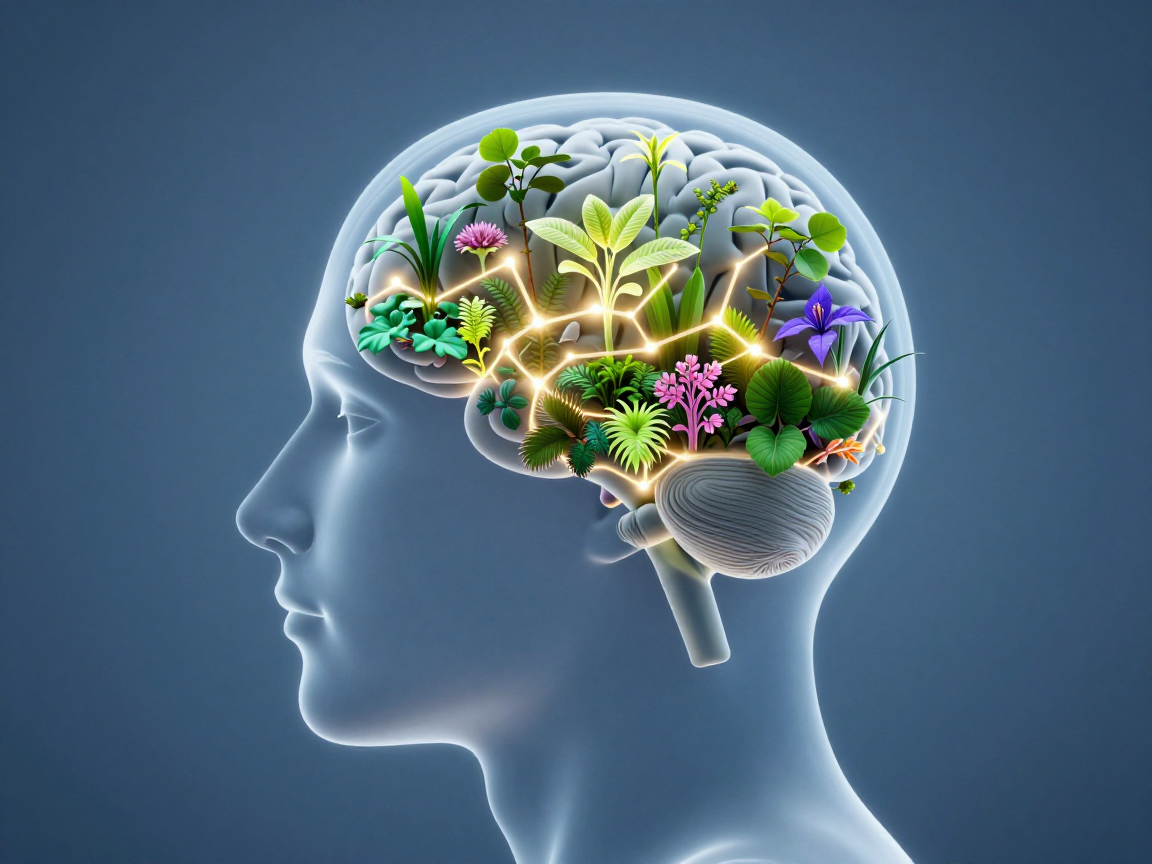
Most of us treat our brains like a piece of hardware that simply works until it does not. We focus on physical fitness to look better or heart health to live longer, but we often overlook the very organ that processes every thought, emotion, and memory we possess. The reality is that the brain is not a static machine - it is a dynamic, plastic organ that is constantly reshaped by our daily environment. Integrating specific brain health habits into your routine is not just about preventing future decline; it is about maximizing your potential for focus, creativity, and emotional stability right now.
The concept of neuroplasticity - the brain ability to reorganize itself by forming new neural connections - has changed everything we thought we knew about aging. We used to believe that we were born with a set number of neurons and that it was a slow slide toward obsolescence from there. Now, we know that through consistent brain health habits, we can actually build what researchers call "cognitive reserve". This reserve acts as a buffer, allowing the brain to maintain high levels of function even when faced with stress or the natural processes of aging. By understanding how to nourish and challenge our minds, we can move from a state of passive survival to active cognitive flourishing.
The Foundations of a Resilient Mind
Building a sharper mind starts with the basics that many of us take for granted. We often search for a "magic pill" or a complex supplement stack, but the most effective brain health habits are found in the rhythm of our daily lives. The brain is the most energy-demanding organ in the body, consuming about 20 percent of our total caloric intake despite making up only 2 percent of our body weight. This high metabolic demand means that the brain is incredibly sensitive to the quality of our lifestyle choices.
To build a resilient mind, we must look at the brain as an ecosystem. Just as a forest requires the right balance of soil quality, sunlight, and water, your brain requires specific inputs to maintain its delicate chemical balance. When we neglect these inputs, we experience the common symptoms of modern life: poor concentration, irritability, and that persistent feeling of "brain fog". By intentionally shifting our daily choices, we can clear the fog and strengthen our neural architecture.
The Three Physical Pillars of Brain Health
Before we look at mental puzzles or complex learning, we must address the biological environment in which your brain operates. Without the physical foundation, even the most rigorous mental training will yield diminishing returns.
1. Sleep as a Neurological Power Wash
During sleep, the brain does not simply shut down. Instead, it enters a high-energy state of maintenance. The glymphatic system - essentially the brain waste-clearance system - becomes highly active, flushing out metabolic waste products like amyloid-beta. These are the same proteins associated with cognitive decline when they are allowed to accumulate over decades.
One of the most critical brain health habits you can adopt is a non-negotiable sleep window. This means prioritizing seven to nine hours of quality rest. It is not just about duration; it is about the architecture of sleep. Deep sleep is essential for physical repair, while REM sleep is where the brain processes emotions and consolidates memories. If you are constantly cutting your sleep short, you are effectively asking your brain to work in a cluttered, toxic environment.
2. Movement and the BDNF Factor
Exercise is perhaps the closest thing we have to a "brain tonic". When we engage in aerobic exercise, the body produces a protein called Brain-Derived Neurotrophic Factor (BDNF). Scientists often refer to BDNF as "Miracle-Gro for the brain" because it supports the survival of existing neurons and encourages the growth of new ones.
Your brain health habits should include a mix of steady-state cardio and complex movement. While running on a treadmill is great for blood flow, activities that require coordination - like dancing, tennis, or rock climbing - force the brain to engage its motor cortex and spatial reasoning centers simultaneously. This dual challenge provides a more robust cognitive benefit than simple, repetitive motions.
3. The Nutrition-Cognition Axis
What you eat provides the literal building blocks for your brain cells. The brain is roughly 60 percent fat, and much of that comes from the omega-3 fatty acids we consume. Diets high in processed sugars and trans fats cause systemic inflammation, which can cross the blood-brain barrier and impair cognitive function.
Focus on the "MIND diet", which is a hybrid of the Mediterranean and DASH diets. This approach emphasizes leafy greens, berries, nuts, and fatty fish. Berries, in particular, are rich in flavonoids, which have been shown to improve memory and delay brain aging by several years. Transitioning your eating patterns to favor whole foods is one of the most sustainable brain health habits for long-term protection.
Mental Novelty and the Use It or Lose It Principle
While physical health is the foundation, mental engagement is the structural framing of a healthy brain. Many people believe that doing the same crossword puzzle every morning is enough to keep their minds sharp. However, the brain thrives on novelty, not just repetition. Once you become proficient at a task, your brain becomes more efficient, using less energy and fewer neural pathways to complete it.
To truly improve your cognitive reserve, you must step outside of your comfort zone. This is often referred to as "purposeful practice". If you are a lifelong reader, try learning basic coding. If you are a mathematician, try painting. This "cross-training" of the brain forces it to build new bridges between different regions. The discomfort you feel when learning a new, difficult skill is the feeling of your brain physically changing. Embracing this discomfort is a core component of effective brain health habits.
The Impact of Stress and Social Isolation
We cannot discuss brain health without addressing the silent killers of cognitive function: chronic stress and social isolation. The brain is a social organ. Evolutionarily, we survived by being part of a tribe, and our brains are hard-wired to seek connection. Studies have shown that prolonged loneliness can be as damaging to the brain as smoking fifteen cigarettes a day. It increases the risk of dementia and accelerates the decline of the prefrontal cortex.
Similarly, chronic stress floods the brain with cortisol. In small doses, cortisol helps us react to danger. In chronic amounts, it actually shrinks the hippocampus - the area of the brain responsible for memory and learning. Incorporating stress-management practices, such as mindfulness or deep-breathing exercises, is not just a "wellness" trend; it is a neurological necessity. These brain health habits help regulate the nervous system and prevent the corrosive effects of a constant "fight or flight" response.
A 5-Pillar Action Plan for Cognitive Longevity
To help you move from theory to practice, use this framework to audit your current lifestyle and identify where you can strengthen your brain health habits. You do not need to change everything at once; picking one or two areas to focus on each month can lead to significant cumulative gains.
- The Morning Cognition Kickstart: Start your day with hydration and light. Natural sunlight in the morning helps regulate your circadian rhythm, ensuring better sleep at night. Avoid "doom-scrolling" on your phone for the first thirty minutes, as this trains your brain for distraction rather than focus.
- The 20-Minute Novelty Rule: Dedicate twenty minutes a day to learning something that feels genuinely difficult. Whether it is a new language, a musical instrument, or a complex manual skill, the goal is to feel that mental "stretch".
- Anti-Inflammatory Fueling: Replace one processed snack a day with a brain-boosting alternative. Swapping a sugary granola bar for a handful of walnuts or a cup of blueberries reduces the oxidative stress on your neurons.
- The Connection Audit: Aim for at least one meaningful face-to-face (or high-quality video) interaction daily. Deep conversation requires the brain to process non-verbal cues, tone, and complex emotional data, which is a powerful cognitive workout.
- The Evening Wind-Down: Protect the two hours before bed. Reduce blue light exposure and lower the room temperature. This signal tells your brain that it is time to begin the "glymphatic wash" that clears out the day debris.
Common Mistakes in Brain Health
Many people fall into the trap of "brain training" apps, believing that ten minutes of a digital game will offset a sedentary lifestyle or poor diet. While these apps can improve your performance on those specific games, there is little evidence that they translate to better real-world cognitive function. It is far more effective to engage in real-world activities that involve physical movement, social interaction, and complex problem-solving simultaneously.
Another mistake is the reliance on caffeine to mask the symptoms of poor brain health habits. While caffeine can provide a temporary boost in alertness, it does not replace the restorative functions of sleep or the nutritional needs of your neurons. If you find yourself needing more and more caffeine to function, it is a sign that your brain underlying ecosystem is out of balance.
The Long View of Mental Vitality
Your brain is the filter through which you experience your entire life. Every relationship you have, every sunset you see, and every professional success you achieve is mediated by the health of your neural tissue. By treating brain health habits as a daily practice rather than a distant goal, you are investing in the quality of your future self.
Consistency is the key to neuroplasticity. The small choices - choosing the stairs, reaching out to a friend, or turning off the television an hour early - may seem insignificant in the moment. However, over months and years, these choices aggregate into a brain that is more resilient, more creative, and more capable of handling the challenges of life. You have the power to influence how your brain ages. Start by respecting its needs today, and your mind will reward you with clarity and presence for decades to come.