The Invisible Trap: Why You Notice Everyone's Flaws but Your Own (And How to Fix the Bias Blind Spot)
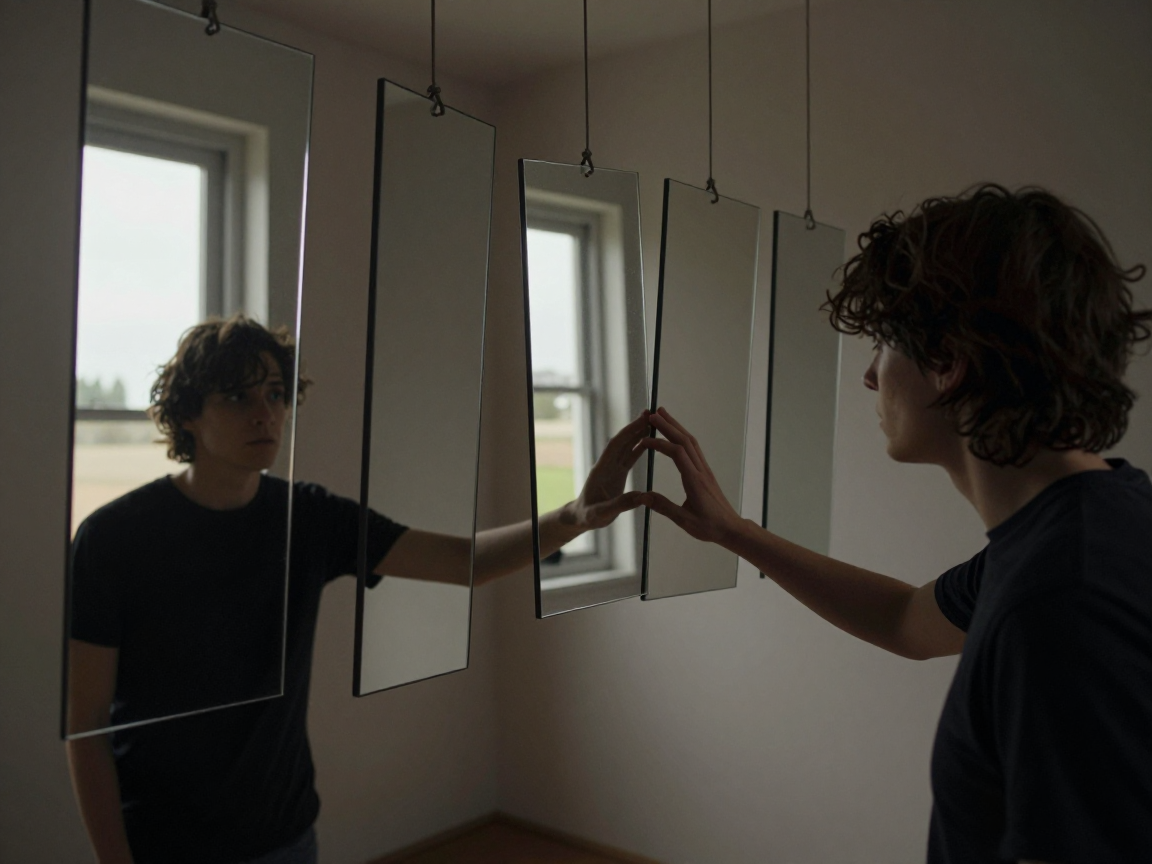
We have all been there. You are watching a heated debate or listening to a friend recount a conflict, and the solution seems glaringly obvious. You can see exactly where their logic fails, where their ego is getting in the way, and how their personal history is clouding their judgment. It feels like you possess a superpower of clarity - a crystal-clear lens through which you view the world while others stumble through a fog of irrationality. However, the uncomfortable truth is that while you are busy diagnosing everyone else's cognitive errors, you are likely missing your own. This phenomenon is known as the bias blind spot, and it is one of the most pervasive obstacles to clear thinking and healthy relationships.
The bias blind spot is the cognitive tendency to recognize the impact of biases on the judgment of others while remaining largely unaware of the same biases in ourselves. It creates a psychological asymmetry that allows us to feel objective, fair, and rational even when we are making the exact same errors we criticize in our neighbors, colleagues, or political opponents. This isn't just a minor personality quirk; it is a fundamental feature of the human brain that protects our self-esteem but limits our growth. By understanding how this blind spot functions, we can begin the difficult but rewarding work of seeing ourselves with more honesty.
The Psychology of "I Am Not Like Them"
To understand the bias blind spot, we first have to look at how our brains process information. Most of our mental heavy lifting happens under the hood, in the subconscious. When we make a judgment, we aren't aware of the millions of neurons firing or the myriad of past experiences influencing our perspective. We simply experience the result of that processing as a "fact" or a "truth" . Because we don't feel the bias happening, we assume it isn't there.
Psychologists refer to this as naive realism - the human tendency to believe that we see the world exactly as it is, objectively and without any filter. From this perspective, anyone who disagrees with us must be uninformed, irrational, or biased. This is the bedrock of the bias blind spot. We assume that because our intentions are good and our thought processes feel logical to us, we are immune to the distortions that affect "lesser" thinkers. This leads to a dangerous paradox: the more we learn about cognitive biases, the better we become at identifying them in others, often while becoming even more convinced that we are the exception to the rule.
Why Introspection Is a Trap
One of the most surprising reasons the bias blind spot is so resilient is that we rely too heavily on introspection. When someone suggests we might be biased, our first instinct is to look inward. We scan our thoughts for any signs of prejudice or irrationality. If we don't find a conscious desire to be unfair, we conclude that we must be objective.
However, bias is not a conscious choice; it is an automatic process. It is like trying to see your own eyes without a mirror. You can look "outward" at the world all day, but you cannot look "inward" to see the mechanism that is doing the looking. This is called the introspection illusion. We value our own internal thoughts and feelings more than our outward behavior, while we judge others almost entirely on their behavior. This creates a massive gap in how we perceive reality. We give ourselves credit for our "good intentions" while condemning others for the "bad outcomes" of their actions.
The Cost of Staying Blind
The consequences of the bias blind spot are far - reaching, affecting everything from our personal happiness to the way we lead organizations. In relationships, it leads to stagnant conflicts where both parties are convinced they are the only ones being reasonable. Each person sees the other's defensiveness but is blind to their own. This creates a cycle of blame that is nearly impossible to break without a shift in perspective.
In professional environments, the bias blind spot can lead to poor hiring decisions, flawed strategy, and a lack of innovation. Leaders who believe they are perfectly objective are less likely to seek out dissenting opinions or listen to feedback. They may unknowingly favor employees who mirror their own background or thinking style, all while believing they are practicing meritocracy. When we cannot see our own biases, we lose the ability to correct them, which ultimately leads to a gradual decay in the quality of our decisions.
The Objectivity Audit: A 5-Step Framework to See Yourself Clearly
Since we cannot rely on our own intuition to spot our biases, we need external systems and frameworks to do the work for us. The Objectivity Audit is a structured way to challenge your own perspective when you feel most certain of your rightness.
- Identify the Emotional Charge
Bias thrives where emotions are high. If you find yourself feeling indignant, frustrated, or superior during a disagreement, that is your first red flag. Ask yourself: "Why does it feel so important for me to be right in this specific moment?" . If the answer involves protecting your identity or proving someone else wrong, the bias blind spot is likely active.
- The "Reversal of Evidence" Test
Take the evidence you are using to support your position and imagine it supported the opposite view. Would you still find that evidence compelling, or would you find reasons to dismiss it? If you are more critical of information that contradicts you than information that confirms you, you are experiencing confirmation bias - the most common passenger in our blind spot.
- Seek the "Steel Man" Argument
Most of us "straw man" our opponents by attacking the weakest version of their argument. To break the bias blind spot, you must "steel man" their position. Try to explain their viewpoint so well that they would say, "Yes, that is exactly what I mean" . If you cannot do this, you haven't understood the issue well enough to be objective about it.
- Consult a "Disagreement Partner"
Find someone you trust who has a track record of disagreeing with you. Ask them to point out the potential flaws in your logic. Instead of defending your position, your only job is to listen and ask clarifying questions. This person acts as the mirror you lack, reflecting the biases that are invisible to you.
- Analyze the Process, Not the Outcome
Don't judge your objectivity based on whether you were right in the end. A broken clock is right twice a day. Instead, look at the process you used to get there. Did you ignore data? Did you rush to judgment? Focusing on the "how" of your thinking rather than the "what" helps you spot patterns of bias that recur across different situations.
Common Biases Hidden in the Blind Spot
While the bias blind spot covers almost every cognitive error, a few specific biases are particularly good at hiding from our conscious awareness:
- The Halo Effect: If we like one thing about a person, we assume everything about them is good. We see this in others when they defend a problematic celebrity, but we miss it when we overlook the flaws of a friend or a favorite colleague.
- Self-Serving Bias: We attribute our successes to our talent and hard work, but our failures to "bad luck" or outside circumstances. In others, we see this as arrogance; in ourselves, we see it as a realistic assessment of the situation.
- The Dunning - Kruger Effect: People with limited knowledge in a subject often overestimate their expertise. We are often most blind to our biases in areas where we have just enough information to be dangerous but not enough to be humble.
Cultivating Cognitive Humility
Overcoming the bias blind spot is not about becoming a perfect, logic - driven machine. That is impossible. Human beings are inherently subjective creatures. Instead, the goal is to cultivate cognitive humility - the quiet realization that your mind is a fallible instrument. It is the willingness to say, "I might be wrong about this, and even if I'm right, I'm probably not seeing the whole picture" .
This shift in mindset changes the way you interact with the world. Instead of entering conversations to win, you enter them to learn. Instead of feeling threatened by dissenting views, you become curious about them. You start to see disagreements not as attacks on your character, but as opportunities to calibrate your internal map of reality. It is a more demanding way to live, as it requires constant vigilance and the ego - bruising admission of mistakes, but it is the only path toward genuine wisdom.
In the end, the bias blind spot reminds us of our shared humanity. We are all prone to the same mental shortcuts and protective illusions. By acknowledging our own blindness, we actually gain a new kind of sight. We stop looking for reasons to dismiss others and start looking for ways to understand ourselves. It is only when we admit we are blind that we can truly begin to see.