Beyond the Daily Blurb: A Practical Guide to Understanding Your Horoscope for Real Personal Growth
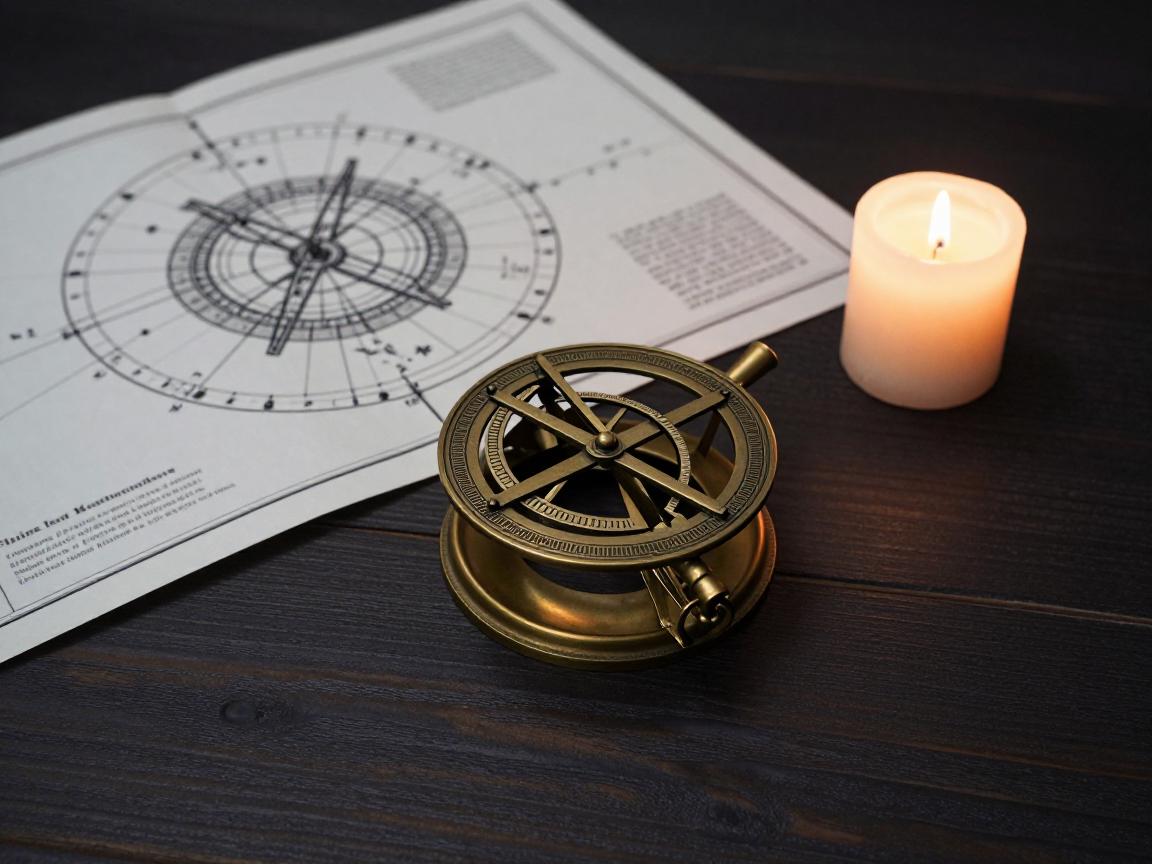
Most people encounter astrology through a tiny paragraph in a magazine or a fleeting notification on a smartphone. While these snippets offer a moment of reflection, they often lead to a shallow interpretation of what astrology actually is. You might read that today is a great day for romance and feel disappointed when you spend the evening doing laundry. This disconnect happens because the generic sun sign column is only one small slice of a much larger, more intricate pie. Truly understanding your horoscope requires moving past the surface level and looking at the celestial blueprint created at the exact moment of your birth.
At its core, a horoscope is not just a prediction of the future; it is a snapshot of the sky that serves as a mirror for your internal landscape. It represents the psychological archetypes and energetic potentials that you carry throughout your life. By learning the mechanics of your birth chart, you shift from being a passive observer of fate to an active participant in your own development. Understanding your horoscope allows you to see the patterns in your behavior, the origins of your challenges, and the unique strengths that you can leverage to navigate the complexities of modern life.
The Foundation: The Big Three and Your Core Identity
When you begin the journey of understanding your horoscope, the first layer to uncover is what astrologers call the Big Three. This includes your Sun sign, your Moon sign, and your Ascendant (or Rising) sign. Together, these three placements form the scaffolding of your personality. While the Sun sign is the most famous, it rarely tells the whole story on its own.
Your Sun sign represents your core ego, your willpower, and the direction in which you are growing. It is the fuel that drives your life forward. However, if you have ever felt like you do not quite fit the description of your Sun sign, it is likely because your Moon or Rising sign is exerting a stronger influence in that moment. The Moon sign governs your emotional world, your subconscious needs, and how you react when you feel vulnerable. It is the private self that only those closest to you ever see.
The Rising sign is perhaps the most important for understanding your horoscope in a daily context. It is the sign that was crossing the eastern horizon at the moment you were born. It represents your social mask, your physical appearance, and the first impression you make on others. More importantly, the Rising sign determines the layout of the rest of your chart. If you read a horoscope based on your Sun sign, it might be inaccurate because the houses are not aligned correctly. Most professional astrologers recommend reading the forecast for your Rising sign to get a more precise view of how current planetary movements are affecting your specific life circumstances.
The Twelve Houses: Where the Action Happens
If the planets are the actors in the play of your life, the Houses are the stages where the action takes place. Understanding your horoscope is impossible without knowing which area of life is being highlighted by a particular planet. There are twelve houses in a birth chart, each representing a specific domain of human experience.
For instance, the First House is the house of self and identity, while the Seventh House governs partnerships and marriage. The Tenth House relates to your career and public reputation, whereas the Fourth House focuses on your home, family, and ancestral roots. When you look at your horoscope and see a cluster of planets in a specific house, it indicates that much of your life energy will be directed toward those specific themes.
Understanding the houses helps explain why two people with the same Sun sign can lead vastly different lives. A Leo with the Sun in the Tenth House might find their fulfillment through public leadership and a high-profile career. Conversely, a Leo with the Sun in the Fourth House might express their Leonine warmth and creativity within the private sphere of their family and domestic life. This distinction is vital for a nuanced interpretation of your personal journey.
A Five-Step Framework for Decoding Your Chart
To move from curiosity to clarity, you need a systematic way to look at the data. Use this framework to begin understanding your horoscope with more precision:
- Identify Your Rising Sign First: Use a reputable calculator to find your exact Ascendant. This requires your birth time, date, and city. This sign sets the "Twelve House" grid for your entire life.
- Locate Your Chart Ruler: The planet that rules your Rising sign is considered the captain of your ship. If you are an Aries Rising, your chart ruler is Mars. See where Mars is placed in your chart to understand your primary motivation.
- Group Your Planets by Element: Look at how many planets you have in Fire, Earth, Air, and Water signs. A lack of Earth might mean you struggle with grounding, while a surplus of Air suggests a highly intellectual or social nature.
- Observe the Lunar Phase: Were you born under a New Moon or a Full Moon? This indicates whether your life path is about starting new cycles or bringing things to a culmination.
- Check for Planetary Aspects: Look for the geometric angles between planets, such as squares (tension) or trines (flow). These reveal how different parts of your personality talk to each other.
Understanding the Role of Transits and Cycles
Understanding your horoscope is not a one - time event because the sky is constantly moving. While your birth chart remains static, the planets continue their journey around the sun, creating what we call transits. Transits are the bridge between your permanent potential and your current reality. They act as triggers that activate certain parts of your birth chart at specific times.
For example, if Saturn is currently moving through the part of the sky that aligns with your Second House of finances, you might experience a period of restriction or a need for better budgeting. This is not necessarily "bad luck"; it is a cosmic invitation to build a more stable foundation in that area of your life. Similarly, a Jupiter transit might bring expansion and opportunity to whatever house it touches.
One of the most significant cycles for understanding your horoscope is the Saturn Return, which happens around the ages of 29, 58, and 87. These periods often coincide with major life shifts, career changes, or a deepened sense of responsibility. By tracking these cycles, you can anticipate the "weather" of your life and prepare accordingly, rather than feeling blindsided by sudden shifts in your circumstances.
The Common Pitfalls of Interpretation
As you get deeper into understanding your horoscope, it is easy to fall into certain traps that can lead to anxiety or confusion. Astrology is a tool for empowerment, not a source of fear. Here are a few things to keep in mind:
- Avoid Fatalism: A horoscope does not tell you exactly what will happen. It tells you the energy of the time. You still have free will and agency in how you respond to that energy.
- Beware of "Good" and "Bad" Labels: No sign or aspect is inherently negative. A square might create tension, but tension is often the catalyst for the greatest personal growth. Conversely, too many "easy" aspects can lead to stagnation or laziness.
- Don't Ignore the Whole Chart: It is tempting to focus only on the Venus placement when looking at love, but if you ignore the influence of Saturn or Pluto, you might miss why certain patterns keep repeating in your relationships.
- Respect the Birth Time: Even a fifteen - minute difference in birth time can shift your Rising sign or move a planet into a different house. Accuracy is paramount for a meaningful reading.
Practical Application: Using Astrology as a Mindfulness Tool
Ultimately, understanding your horoscope should serve your daily life. It is a powerful tool for mindfulness and self - reflection. When you know that Mercury is currently in retrograde, you can use that time to review, reflect, and redo work rather than pushing forward with new projects. When you understand your Moon sign, you can be more compassionate with yourself during times of emotional volatility.
To integrate this practice, consider keeping an astrology journal. Note the major transits of the month and reflect on how they manifest in your mood, your interactions, and your productivity. Over time, you will begin to see the beautiful resonance between the movements of the planets and the rhythm of your own heart. This connection fosters a sense of belonging in the universe - a realization that you are not just a random inhabitant of the earth, but a part of a vast, interconnected system.
Understanding your horoscope is a lifelong study. The more you learn, the more the chart reveals. It is a language of symbols that speaks directly to the soul, offering a map for those who are brave enough to explore their own depths. By looking up at the stars, we often find the clearest view of what is happening right here on the ground.