Why Your Body Can't Relax and How Reiki Healing Resets the Nervous System
In an era of constant connectivity and high-performance culture, most of us are living in a state of perpetual low-level alarm. Our nervous systems are perpetually scanned for threats, deadlines, and social obligations, leaving very little room for the body to do what it does best - heal. When we are stuck in this sympathetic dominance, often called survival mode, our internal battery begins to drain. We might feel physically exhausted but mentally wired, or perhaps we feel a sense of heavy stagnation that sleep alone cannot fix. This is where the ancient yet profoundly relevant practice of reiki healing enters the conversation as a bridge between the physical and the energetic.
Reiki healing is often misunderstood as a passive relaxation technique, yet its roots and results are much more dynamic. It is a Japanese energy healing modality that works with the subtle biofields of the body to promote balance, reduce stress, and facilitate the natural healing processes. By channeling universal life force energy, a practitioner helps to clear the blockages that accumulate from emotional trauma, daily stress, and physical illness. To understand why reiki healing has transitioned from a niche spiritual practice to a respected complementary therapy in hospitals worldwide, we must look at how it interacts with the human body on a physiological and energetic level.
What is Reiki Healing? Understanding the Unseen Energy
At its core, reiki healing is based on the principle that an invisible - life force energy - flows through us and is what causes us to be alive. If one's energy is low or blocked, we are more likely to get sick or feel stress. The word itself comes from two Japanese words: - Rei - which means - Higher Power - or - Universal - and - Ki - which means - Life Force Energy. This is the same energy referred to as Prana in Ayurvedic traditions or Qi in Chinese Medicine.
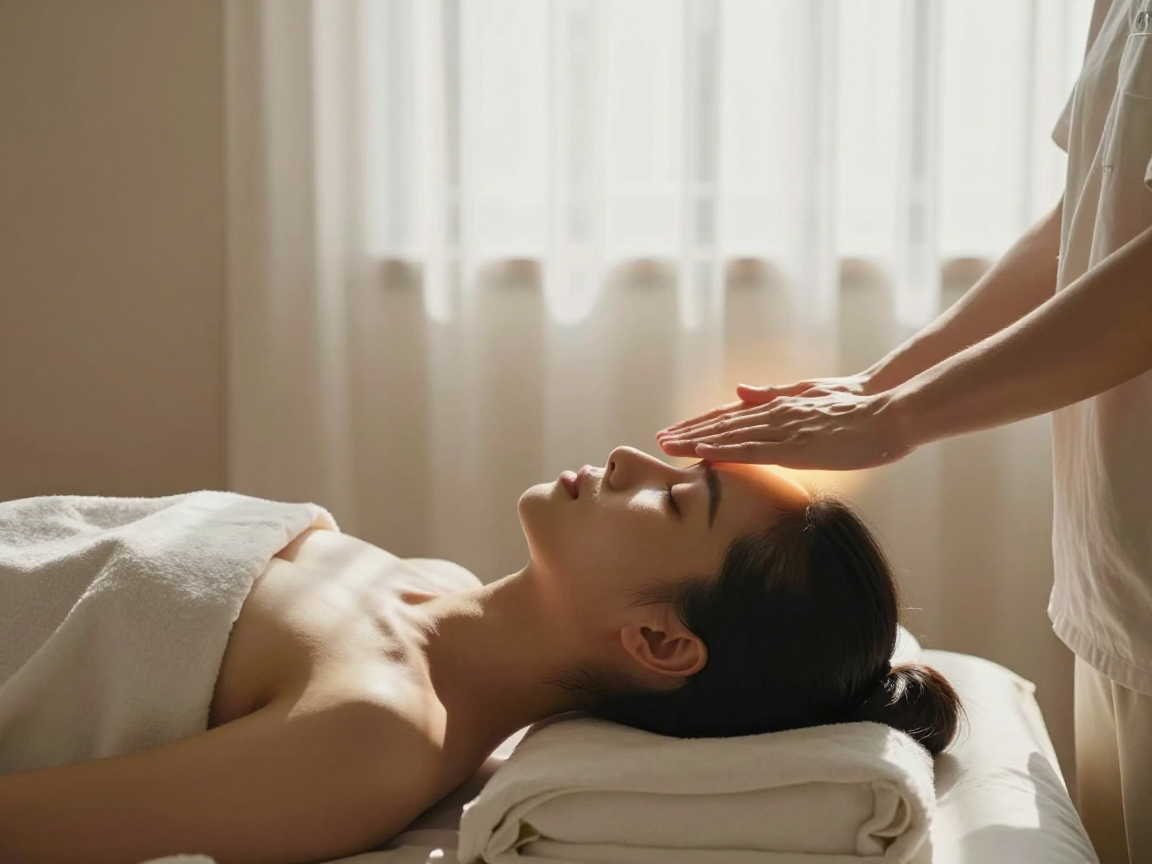
During a session, a trained practitioner serves as a conduit for this energy. They do not give the recipient their own personal energy; rather, they channel the universal flow through their hands to the recipient. This can be done through light touch or by hovering the hands just above the body. Because reiki healing is guided by a form of intuitive intelligence, the energy is said to flow exactly where it is needed most, whether that is a physical injury, a heavy heart, or a cluttered mind.
Unlike traditional massage, the recipient remains fully clothed, and the focus is not on manipulating muscle tissue but on shifting the energetic vibration of the person. It is a gentle, non-invasive approach that creates a profound sense of safety, allowing the body to finally drop its guard.
The Science of the Subtle: How Reiki Affects the Nervous System
While the concept of - life force - may sound abstract, the physical effects of reiki healing are measurable. When a person receives Reiki, they typically enter a state of deep relaxation that triggers the Parasympathetic Nervous System (PNS). This is the - rest and digest - branch of our nervous system, the direct opposite of the - fight or flight - response.
Research has shown that sessions can lead to a decrease in heart rate, a reduction in blood pressure, and a significant drop in cortisol levels. When the body is in this state, its internal repair mechanisms are activated. The immune system strengthens, inflammation markers can decrease, and the brain begins to produce more alpha and theta waves - the same waves associated with deep meditation and creative flow.
By moving the body out of a chronic stress state, reiki healing provides the necessary environment for the physical body to recover from ailments. It acts as a catalyst, clearing the mental and emotional noise that often keeps our physical systems in a state of tension. This is why many people report that chronic pains or digestive issues begin to clear up after they start a regular practice; they are finally giving their body the energetic permission to let go.
Five Signs Your Energy is Depleted and Could Benefit from Reiki
It can be difficult to recognize when your internal energy is misaligned because we often mistake chronic stress for - just being busy. However, there are specific markers that suggest your biofield is under strain. If you identify with several of the following, reiki healing may be the tool you need to restore your baseline.
- Emotional Reactivity: You find yourself snapping at loved ones or feeling overwhelmed by minor inconveniences that you would usually handle with ease.
- The - Tired but Wired - Phenomenon: You feel physically exhausted by the end of the day, yet your mind races the moment your head hits the pillow, preventing deep sleep.
- Physical Tension Without Injury: You carry - knots - in your shoulders, a tight jaw, or a heavy sensation in your chest that doesn't seem to have a clear physical cause.
- Feeling - Dimmed - or Uninspired: You lack the creative spark or the joy you once felt for your hobbies and work, feeling instead like you are moving through a fog.
- Frequent Minor Illnesses: You seem to catch every cold or flu that goes around, suggesting that your energetic and physical immune barriers are lowered.
The Anatomy of a Session: What to Actually Expect
If you have never experienced reiki healing, the prospect can feel a bit mysterious. Knowing what to expect can help you relax and be more receptive to the process. Most sessions last between 60 and 90 minutes and follow a structured flow.
- The Intake and Intention: The practitioner will usually spend a few minutes talking with you about why you are there. Setting a clear intention - such as - I want to let go of anxiety - or - I want to find clarity on a big decision - can help focus the energy.
- The Environment: You will lie on a comfortable padded table, similar to a massage table. The room is usually quiet, often with soft music or the smell of light incense or essential oils to signal to your brain that it is time to relax.
- The Hand Placements: The practitioner will move through a series of hand positions, starting at the head and moving down to the feet. They may spend more time on specific areas where they - feel - an energy blockage. This is often described as a sensation of heat, tingling, or a magnetic pull.
- The Sensations: Every person experiences reiki healing differently. Some feel waves of warmth moving through their limbs; others see colors or shapes behind their eyelids. Many people fall into a - reiki nap - where they are not quite asleep but no longer fully conscious of their surroundings.
- The Integration: After the session, the practitioner will gently ground you and may share any intuitive insights they had during the process. It is common to feel a sense of lightness or - spaciousness - in the body immediately afterward.
A 4-Step Framework for Preparing Your Mind for Reiki Healing
To get the most out of a reiki healing session, your mental state matters. While the energy will work regardless of your belief system, being an active participant in the process can amplify the results. Use this framework before your next appointment.
1. Hydrate and Nourish Energy work can be surprisingly thirsty work for the body. Drinking plenty of water before and after your session helps the body process any toxins or stagnant energy that is being released.
2. Dress for Comfort Avoid restrictive clothing. Choose soft fabrics and layers, as your body temperature may drop slightly as you enter a deep state of relaxation. Removing jewelry and watches can also help you feel less - tethered.
3. Practice Openness Release the need to - figure it out - or analyze what is happening during the session. If your mind wanders, simply bring it back to the sensation of your breath. Approach the experience with the curiosity of a child.
4. Schedule White Space Try not to rush from a reiki session straight into a high-stress meeting or a crowded grocery store. Give yourself at least thirty minutes of quiet time afterward to sit in a park, journal, or simply be with your thoughts. This allows the new energetic alignment to - set.
Debunking Common Myths About Energetic Work
Because reiki healing deals with the - invisible, - it is prone to misconceptions. One of the biggest myths is that it is a religion. It is not. Reiki is a spiritual practice, but it requires no specific faith or belief system to work. Practitioners come from all walks of life and religious backgrounds.
Another common myth is that reiki healing can replace traditional medical treatment. This is a dangerous misunderstanding. Reiki is a - complementary - therapy. It is designed to work alongside Western medicine, not instead of it. It can help manage the side effects of chemotherapy, speed up recovery after surgery, and improve the efficacy of mental health counseling by softening the ego's defenses.
Finally, some believe that if they - felt nothing - during a session, it didn't work. The reality is that reiki healing is often subtle. Just because you didn't see a light show or feel a bolt of electricity doesn't mean the energy wasn't moving. Often, the most profound shifts happen in the days following a session, manifesting as better sleep, a sudden epiphany, or a newfound sense of calm in a previously stressful situation.
Living the Reiki Principles: Beyond the Session
While receiving reiki healing from a practitioner is powerful, the true goal of the practice is to integrate its principles into your daily life. Mikao Usui, the founder of the system, left behind five precepts known as the Gokai. These are not rules, but rather energetic anchors for a balanced life.
- Just for today, I will not worry. (Fosters presence and trust)
- Just for today, I will not be angry. (Encourages emotional regulation)
- Just for today, I will be grateful. (Raises the personal vibration)
- Just for today, I will do my work honestly. (Promotes integrity and purpose)
- Just for today, I will be kind to every living thing. (Creates connection and compassion)
By reflecting on these daily, you maintain the - flow - that was opened during your reiki healing session. You stop being a passive victim of your circumstances and start becoming an active steward of your own energy.
Ultimately, reiki healing is about returning to your natural state. We were not designed to live in a state of constant emergency. We were designed for rhythm - for periods of intense focus followed by periods of deep, restorative rest. Reiki is the reminder that even when the world feels chaotic, there is a source of peace and vitality available to us, if only we are willing to be still enough to receive it.