When Your Energy Feels Off: A Practical Guide to Reiki for Beginners and the Path to Self-Healing
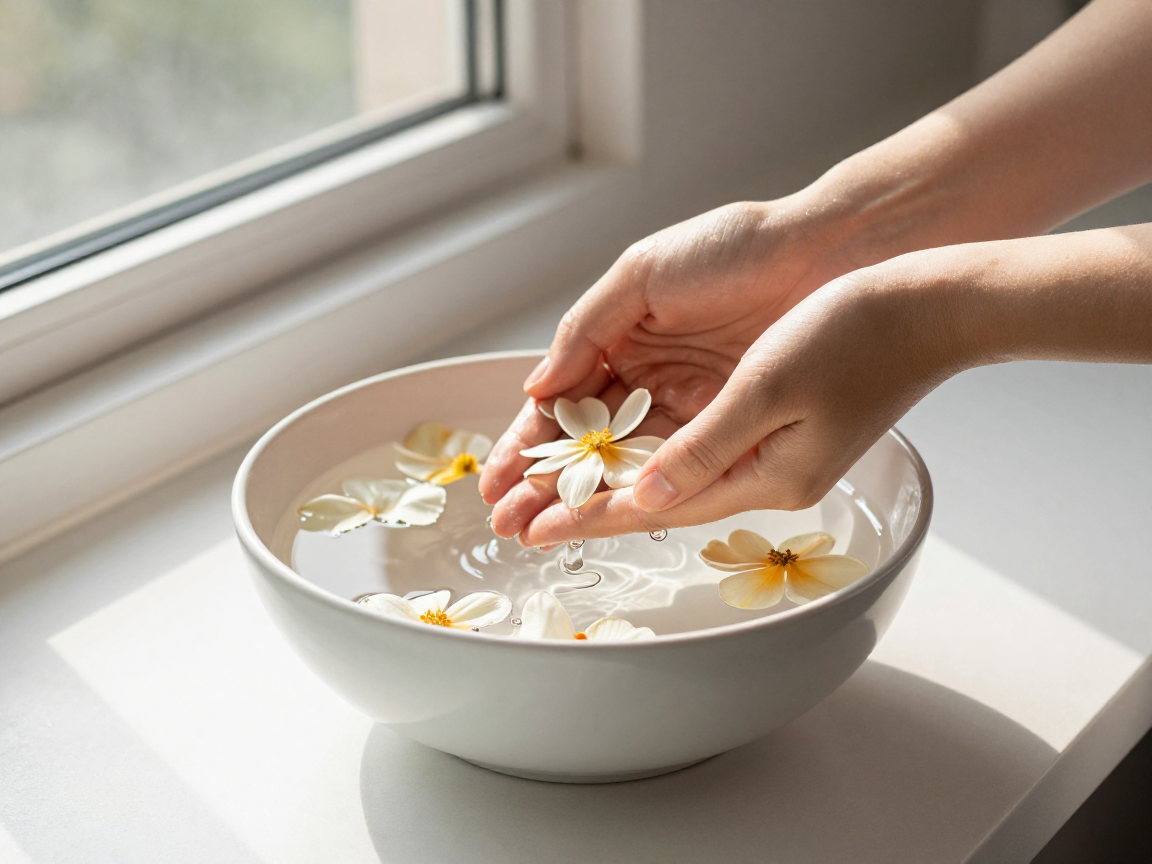
There is a specific kind of exhaustion that sleep cannot fix. It is the feeling of being perpetually out of sync - like a radio station caught between frequencies or a battery that refuses to hold a charge no matter how long it is plugged in. In our modern world, we often attribute this to stress or lack of caffeine, but many people are beginning to realize that the root cause is often energetic. When our internal rhythm is disrupted by trauma, worry, or the sheer noise of daily life, our physical and emotional bodies pay the price. This is where the ancient Japanese practice of Reiki for beginners comes into play, offering a structured yet gentle way to recalibrate your system and rediscover a sense of profound peace.
Reiki is not a religion, nor is it a medical miracle cure that replaces traditional science. Instead, it is a form of complementary energy healing that works with the subtle energy fields surrounding the human body. For those who are new to the concept, the idea of manipulating energy with the hands might seem abstract or even intimidating. However, the core philosophy of Reiki for beginners is rooted in simplicity and accessibility. It is based on the premise that a universal life force flows through all living things, and when this flow is restricted, we feel unwell. By learning to channel this energy, anyone can begin to alleviate stress and support their body's natural ability to heal itself.
Understanding the Roots: What Exactly Is Reiki?
The word Reiki is derived from two Japanese words: "Rei", which means higher intelligence or universal, and "Ki", which translates to life force energy. When combined, they describe a system of guided life energy. While various forms of energy work have existed for thousands of years across different cultures, the system we recognize today as Reiki was developed in the early 20th century by Mikao Usui in Japan. Usui sought a way to heal without depleting his own energy, leading him to rediscover the techniques that allow a practitioner to act as a vessel for universal energy rather than using their own personal stamina.
For anyone exploring Reiki for beginners, it is essential to understand that the practitioner is not "giving" you their energy. Instead, they are acting like a lightning rod or a conduit. They tune into the universal frequency and allow it to flow through their hands into the recipient. This distinction is vital because it ensures that the healing process is safe and sustainable for everyone involved. It also means that the benefits of Reiki are not limited to those with special "gifts" or innate psychic abilities. With proper attunement and practice, the ability to channel this energy is accessible to everyone.
The Five Precepts: The Ethical Heart of the Practice
Many people think Reiki is just about the physical act of placing hands on the body, but the traditional system includes a set of mental and ethical pillars known as the Gokai, or the Five Precepts. These are not just rules; they are a framework for living that prepares the mind to channel energy effectively. When practicing Reiki for beginners, these precepts serve as a daily meditation to keep the ego in check and the heart open.
Each precept begins with the phrase "Just for today", which emphasizes the importance of mindfulness and the present moment. The five pillars are:
- Just for today, I will not be angry.
- Just for today, I will not worry.
- Just for today, I will be grateful.
- Just for today, I will do my work diligently.
- Just for today, I will be kind to every living thing.
By focusing on these principles, a beginner can start to clear the mental clutter that often blocks the flow of Ki. Anger and worry are particularly dense emotional states that create resistance in our energetic field. When we consciously choose to release them - even if just for twenty-four hours - we create more space for healing energy to circulate.
How a Typical Reiki Session Feels
If you are considering a session but feel nervous, knowing what to expect can help ease your mind. Unlike a massage, a Reiki session involves no manipulation of muscle or tissue. You remain fully clothed, usually lying on a comfortable table or sitting in a supportive chair. The practitioner will then place their hands lightly on or just above specific areas of your body, such as the head, shoulders, chest, and abdomen.
During a session focused on Reiki for beginners, you might experience a variety of sensations. Some people feel a deep, penetrating heat emanating from the practitioner's hands. Others feel a slight tingling, like a gentle electric current, or even see colors behind their closed eyes. It is also perfectly normal to feel nothing at all other than a sense of deep relaxation. Many clients find themselves falling into a state of "theta" brainwaves - that dreamy space between waking and sleeping - where the body does its most significant restorative work.
Common physical and emotional responses during or after a session include:
- A sudden feeling of lightness or "unburdening".
- Gurgling in the stomach as the nervous system moves from "fight or flight" to "rest and digest".
- A temporary emotional release, such as unexpected tears or a sense of profound joy.
- Improved sleep quality in the days following the treatment.
- Reduced perception of chronic pain or tension.
A Step-by-Step Self-Healing Routine for Beginners
One of the most empowering aspects of Reiki for beginners is that you do not always need a professional to experience the benefits. While receiving an attunement from a Reiki Master is required to become a formal practitioner, you can begin to work with your own energy and intention right now. This five-step framework is a simple way to introduce the habit of energetic hygiene into your daily life.
- Set the Space and Intention: Find a quiet place where you will not be interrupted for ten minutes. Sit or lie down comfortably. Close your eyes and state a clear intention. You might say silently, "I am open to receiving healing energy for my highest good".
- Activate Your Hands: Rub your palms together briskly for a few seconds to stimulate the nerve endings and bring your awareness to your hands. Pull them an inch apart and see if you can feel a slight magnetic pull or warmth between them.
- The Crown and Third Eye: Place your hands gently over your eyes or on the top of your head. Breathe deeply. Imagine a soft, white light entering the top of your head and flowing down into your palms. Stay here for two minutes.
- The Heart Center: Move your hands to the center of your chest. This is often where we hold emotional weight. Visualize any tightness or "gray" energy dissolving under the warmth of your hands, replaced by a sense of calm and safety.
- The Solar Plexus and Grounding: Move your hands to your upper abdomen (just above the navel). This area is linked to our personal power and anxiety. After a few minutes, finish by placing your hands on your thighs or the floor, imagining any excess energy draining into the earth like a grounding wire.
Understanding the Chakra Connection
To get the most out of Reiki for beginners, it helps to have a basic understanding of the chakras. In many energy healing traditions, the body is seen as having seven major energy centers, or chakras, located along the spine. These centers act like spinning wheels that distribute Ki to different organs and systems. When one of these wheels becomes sluggish or blocked, it can lead to specific physical or emotional issues.
Reiki acts as a balancing agent for these centers. For example, if you are struggling with communication or feeling unheard, a practitioner might focus Reiki on the throat chakra. If you are feeling ungrounded or financially stressed, the focus might shift to the root chakra at the base of the spine. By treating the body as a whole system rather than just a collection of symptoms, Reiki helps restore the natural flow between these centers, ensuring that energy is distributed where it is needed most.
Debunking Common Myths About Energy Work
Because energy is invisible, Reiki is often surrounded by misconceptions that can deter people from trying it. One common myth is that you have to "believe" in it for it to work. In reality, Reiki is not a placebo effect dependent on faith. Many skeptics have found themselves profoundly relaxed and physically improved after a session despite their initial doubts. The energy moves regardless of your intellectual stance on it, though an open mind certainly makes the experience more pleasant.
Another myth is that Reiki can be dangerous. Because Reiki is a passive, non-invasive therapy, it is considered safe for people of all ages, including infants, the elderly, and those recovering from surgery. It does not interfere with medication or medical treatments; rather, it supports the body's environment so that those treatments can work more effectively. It is a "do no harm" practice that only goes where it is needed and only in the amount the recipient is ready to handle.
Integrating Reiki Into a Modern Lifestyle
Starting a journey with Reiki for beginners does not mean you have to change your entire life or spend hours in meditation. The beauty of the practice lies in its flexibility. You can use Reiki while sitting in traffic to calm your nerves, or while placing your hands on a painful joint while watching television. It is a portable tool for self-regulation that grows stronger the more you use it.
As you continue to explore this path, you may find that your sensitivity to energy increases. You might become more aware of how certain environments, foods, or people affect your personal vibration. This heightened awareness is one of the greatest gifts of the practice, as it allows you to make more conscious choices about how you spend your energy and who you allow into your personal space.
Ultimately, Reiki is an invitation to come home to yourself. It is a reminder that you are more than just your physical body and your to - do list. You are a complex, vibrant system of energy that deserves care, balance, and quiet. Whether you seek out a professional practitioner or begin with a simple self-practice, the path of Reiki offers a way to navigate the stresses of the modern world with a bit more grace and a lot more peace.