Why Your Body Feels Stiff and How a Daily Movement Practice Can Fix It
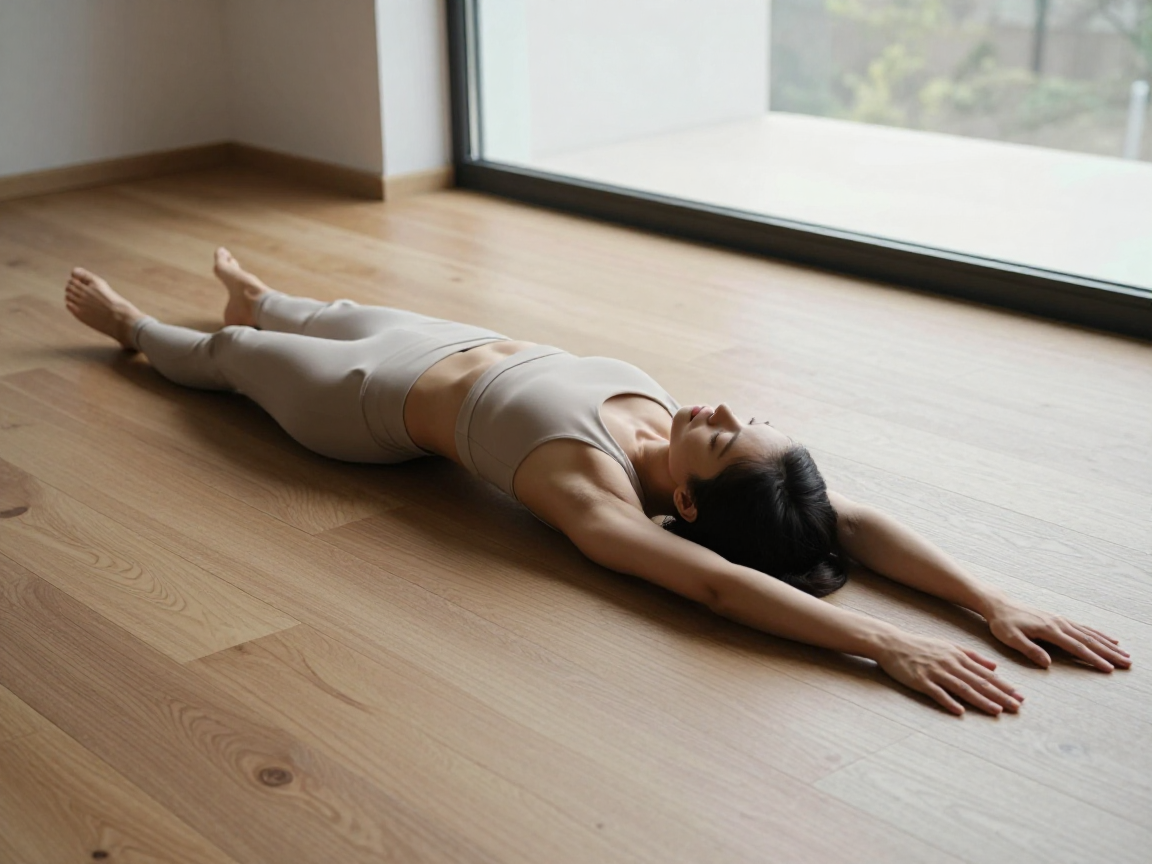
Most of us have experienced that specific, nagging sensation of waking up with a body that feels several decades older than it actually is. It is a subtle glue - like feeling in the joints, a tightness in the hips that makes the first few steps of the morning feel mechanical, or a neck that refuses to turn without a chorus of clicks and pops. We often attribute this to age or a tough workout the day before, but the reality is frequently more systemic. Our modern environments are designed for stillness, and our bodies are paying the tax in the form of chronic tension and a loss of natural grace.
Traditional fitness culture often tells us that the solution is to hit the gym harder or run longer. While cardiovascular health and muscular strength are vital, they do not necessarily address the fundamental need for human motion. You can spend an hour on a treadmill and still spend the other twenty - three hours of your day in a state of physical stagnation. This is where the concept of a daily movement practice comes in. It is not an invitation to add another grueling workout to your calendar; instead, it is a shift in perspective that views movement as a continuous, essential nutrient for your nervous system and your longevity.
The Difference Between Exercise and Movement
To understand the value of a daily movement practice, we must first distinguish it from what we typically call "exercise." Exercise is often goal - oriented, focused on specific outcomes like weight loss, muscle gain, or hitting a personal best in a lift. It is frequently compartmentalized into a specific block of time. While beneficial, this approach can lead to a "sedentary athlete" profile - someone who works out intensely for sixty minutes but remains largely immobile for the rest of the day.
A daily movement practice is broader and more foundational. It is the act of exploring your body's full range of motion through various planes and patterns. It is about mobility, coordination, and tissue health. When we only perform repetitive, linear movements - like running in a straight line or sitting in a chest press machine - we neglect the complex, multi - directional capabilities of our joints. Over time, the brain "prunes" the neural pathways for movements we do not use, leading to that feeling of stiffness and a genuine loss of physical capability. By engaging in a daily movement practice, you are essentially telling your nervous system that these ranges of motion are still necessary and worth maintaining.
The Biological Case for Consistent Motion
Our bodies are comprised of fascia, a web of connective tissue that wraps around every muscle, bone, and organ. Think of fascia as the internal architecture of your body. When we move infrequently, this tissue can become dehydrated and "sticky," leading to adhesions that restrict movement and cause pain. A daily movement practice acts as a way to hydrate and slide this tissue, ensuring that your muscles can glide over one another without friction.
Furthermore, movement is the primary way our joints receive nutrients. Most of our cartilage does not have its own blood supply; it relies on "synovial fluid" to deliver nutrients and remove waste. This fluid is only circulated through movement and compression - a process often called joint lubrication. If you aren't moving through your full range of motion every day, parts of your joints are essentially starving. A daily movement practice ensures that every corner of your physical structure is being nourished and maintained, preventing the premature wear and tear that leads to chronic injury.
The 4 - Pillar Framework for a Daily Movement Practice
Building a daily movement practice does not require a gym membership or expensive equipment. It requires a shift in intention. To make this sustainable and effective, you can follow this four - pillar framework to ensure your body is getting exactly what it needs to thrive.
- Joint Controlled Articulations (CARs)
This is the maintenance phase of your practice. Every morning, or several times throughout the day, take your major joints - neck, shoulders, spine, hips, and ankles - through their full, circular range of motion. Do this slowly and with control. This simple act checks in with your nervous system, identifies areas of tension, and ensures the synovial fluid is circulating correctly. It is the equivalent of brushing your teeth for your musculoskeletal system.
- Ground Interaction
Modern life happens at chair height, but humans are designed to interact with the ground. Make it a point to spend time sitting on the floor, transitioning from sitting to standing without using your hands, or practicing a deep squat. Being able to move toward and away from the floor is a major predictor of longevity and functional independence as we age. It forces your hips and ankles to work in ways that chairs simply don't allow.
- Varied Locomotion and Play
Movement should not always be serious or repetitive. Incorporate different ways of moving through space. This could be a brisk walk, a few minutes of dancing to your favorite song, or even "animal crawls" on the carpet. The goal is to move in non - linear ways - sideways, backwards, and twisting. This variety challenges your balance and spatial awareness, which are crucial for preventing falls and maintaining cognitive health.
- Spinal Complexity
Your spine is the highway of your central nervous system. A stiff spine often leads to a stressed mind. A daily movement practice should include spinal waves, gentle twists, and lateral bends. Moving your vertebrae independently of one another helps to decompress the back and improves the communication between your brain and the rest of your body.
Integrating Movement into a Busy Life
One of the biggest hurdles to starting a daily movement practice is the belief that it requires a large block of time. In reality, some of the most effective practices are integrated into the "dead time" of your day. You can perform ankle circles while sitting in a meeting, practice a deep squat while the coffee is brewing, or do a few standing spinal twists while waiting for a file to download. These "movement snacks" accumulate over the course of the week, often providing more benefit than a single, high - intensity session followed by hours of sitting.
Consider the following checklist to help you stay consistent with your practice:
- Morning Ritual: Can you dedicate five minutes to joint circles before your first cup of coffee?
- The 30 - Minute Rule: For every 30 minutes you spend sitting, can you stand up and reach for the ceiling or touch your toes for 30 seconds?
- Floor Time: Can you spend at least 15 minutes of your evening relaxation time (like watching TV) sitting on the floor instead of the couch?
- Nervous System Check: When you feel stressed, can you use three minutes of rhythmic movement, like swaying or gentle shaking, to reset your stress response?
The Mental and Emotional Payoff
While the physical benefits of a daily movement practice are undeniable, the mental shifts are often what keep people coming back. When we move our bodies, we are engaging in a form of somatic experiencing. Tension in the body is often reflective of tension in the mind. By consciously moving through areas of tightness, we often find that our mental rigidness begins to soften as well.
A daily movement practice fosters a sense of "embodiment." Instead of treating your body like a vehicle that carries your head from meeting to meeting, you begin to experience yourself as a whole, integrated being. This connection leads to better intuition, improved mood regulation, and a greater sense of agency over your health. There is a profound confidence that comes from knowing your body is capable, fluid, and resilient.
Moving Toward a More Resilient Future
The goal of a daily movement practice is not to achieve a specific physique, but to build a body that feels like a pleasant place to live. It is an investment in your future self - the version of you that still wants to be able to garden, play with grandchildren, or hike a mountain decades from now. By prioritizing small, consistent acts of motion today, you are preventing the "casting" effect of a sedentary lifestyle.
Start exactly where you are. You do not need to be flexible to start; you start so that you can become flexible. You do not need to be an athlete; you move because you are a human, and movement is your birthright. Identify one small way you can introduce more motion into your day today. Whether it is a slow neck circle or a walk around the block, honor the need for your body to express itself through motion. Your joints, your muscles, and your mind will thank you for the effort. In a world that wants to keep you still, choose to move.