Why Your Energy Feels Off: A Deep Dive into Chakra Meanings and Colors for Holistic Healing
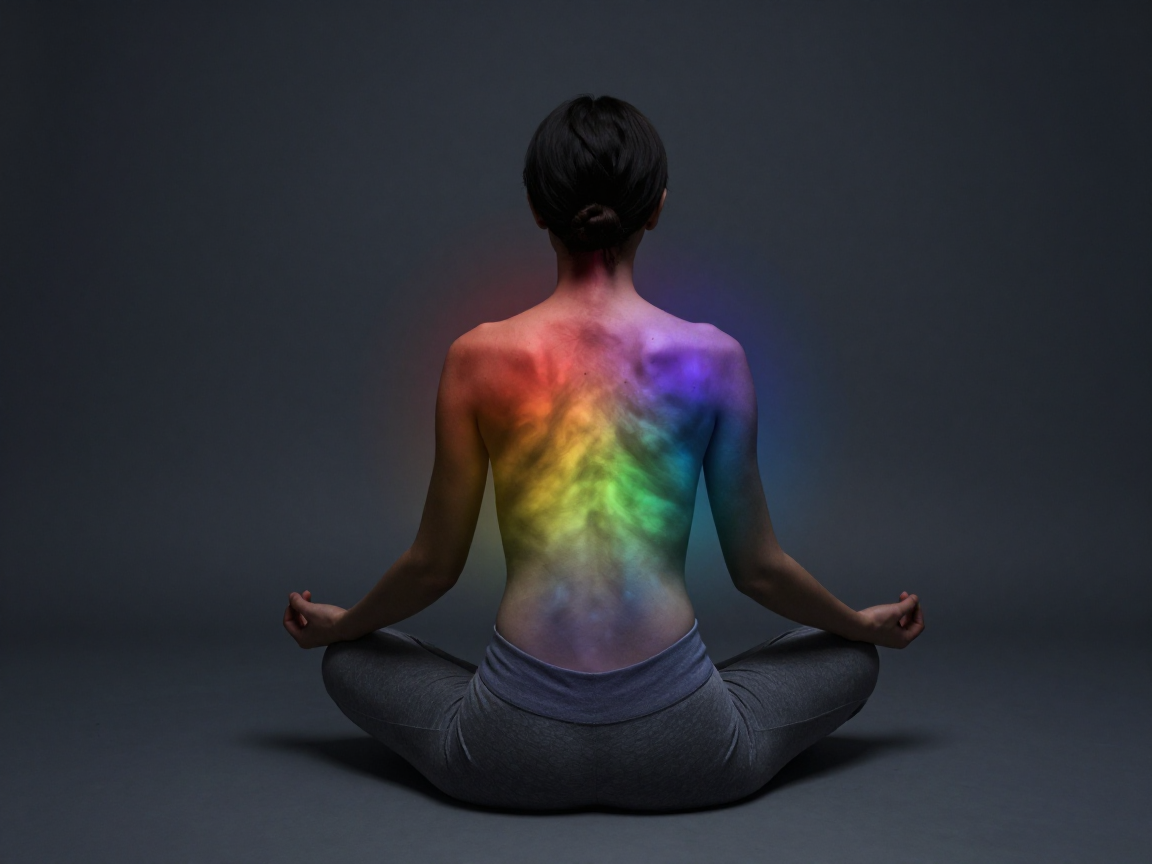
When life feels chaotic or stagnant, we often look for external solutions - a new productivity app, a different diet, or a change of scenery. Yet, ancient Eastern traditions suggest that the root of our discontent often lies within our internal energy architecture. The human body is not just a biological machine; it is a complex energetic system composed of spinning wheels of energy known as chakras. Understanding chakra meanings and colors provides a map for navigating your emotional landscape and physical health, offering a bridge between the tangible world and your spiritual experience.
Each of these energy centers vibrates at a specific frequency, which manifests as a distinct color. When these centers are open and flowing, we feel vital, grounded, and connected. When they are blocked or overactive, we experience fatigue, anxiety, or physical ailment. By learning the specifics of chakra meanings and colors, you gain a diagnostic tool that helps you pinpoint exactly where your energy is leaking and how to call it back to center.
The Architecture of the Subtle Body
The word 'Chakra' translates from Sanskrit to 'wheel' or 'disk'. In the yogic tradition, there are seven primary chakras aligned along the spine, from the base to the crown of the head. Think of them as power stations that distribute life force energy - or Prana - to your organs, nervous system, and emotional state.
The reason chakra meanings and colors are so inextricably linked is rooted in the physics of light. Every color we see is a specific wavelength of energy. In the same way that red light has a lower frequency and violet has a higher frequency, our chakras move from the dense, physical energy of the lower body to the light, spiritual energy of the upper body. When you work with these colors, you are essentially 'tuning' your personal vibration to match the health and harmony of the universe.
The Root Chakra: Muladhara
Located at the base of the spine, the Root Chakra is your foundation. Its color is a deep, vibrant red. This color represents the heat of the earth and the primal life force. In terms of chakra meanings and colors, red is associated with survival, security, and physical identity. When this chakra is balanced, you feel grounded and safe in the world.
If your Root Chakra is blocked, you might struggle with financial anxiety, feelings of abandonment, or a general sense of being 'spaced out'. Physically, this can manifest as lower back pain or immune system issues. To heal this center, focus on activities that connect you to the physical world, such as gardening, walking barefoot on grass, or eating red root vegetables like beets and radishes.
The Sacral Chakra: Svadhisthana
Moving up to the lower abdomen, we find the Sacral Chakra, associated with the color orange. This center governs your creativity, sexual energy, and emotional fluidity. While the Root is about 'I am', the Sacral is about 'I feel'. Orange represents the warmth of a fire and the movement of water, symbolizing the ebb and flow of our desires and relationships.
When you explore chakra meanings and colors at this level, you find that an orange imbalance often leads to emotional volatility or, conversely, a complete lack of passion. People with a healthy Sacral Chakra have a 'zest' for life and the ability to adapt to change. You can support this energy by engaging in creative hobbies, dancing, or spending time near bodies of water.
The Solar Plexus Chakra: Manipura
Located near the navel, the Solar Plexus is the seat of your personal power and self-esteem. Its color is a bright, sun-like yellow. This is where your 'gut feelings' live and where your willpower is forged. In the system of chakra meanings and colors, yellow symbolizes intellect, discipline, and the fire of transformation.
If you find yourself constantly seeking external validation or feeling like a victim of circumstance, your Solar Plexus may be underactive. If you are overly controlling or aggressive, it may be overactive. Bringing balance to this yellow center involves setting healthy boundaries and engaging in activities that build confidence. Sunlight and yellow foods like lemons or ginger can also help stimulate this area.
The Heart Chakra: Anahata
At the center of the chest lies the Heart Chakra, the bridge between the physical and spiritual realms. While many associate the heart with red, its true energetic color is green. This green represents growth, renewal, and the lushness of nature. Within the context of chakra meanings and colors, the Heart Chakra is about love, compassion, and integration.
When the Heart Chakra is open, you are able to give and receive love unconditionally. You feel a sense of peace and kinship with all living things. If it is closed, you may feel isolated, bitter, or unable to forgive. Because this is the middle chakra, balancing it often brings the entire system into alignment. Spending time in nature - surrounded by green - is one of the most effective ways to heal this center.
The Throat Chakra: Vishuddha
Located in the throat, this chakra is associated with the color blue - specifically a bright, turquoise blue. It governs your ability to speak your truth and express your creativity authentically. In the study of chakra meanings and colors, blue is the frequency of communication and resonance.
Do you find it difficult to say 'no'? Or do you dominate conversations without listening? These are signs of a Throat Chakra imbalance. When this center is healthy, you speak with clarity and integrity. To support this chakra, try chanting, singing, or journaling. The color blue helps to cool the mind and allow the voice to emerge without fear of judgment.
The Third Eye Chakra: Ajna
Situated between the eyebrows, the Third Eye is the center of intuition and foresight. Its color is indigo, a deep midnight blue that suggests the vastness of the cosmos and the depths of the inner mind. This chakra is about 'seeing' beyond the physical world and tapping into spiritual wisdom.
When we discuss chakra meanings and colors, the Third Eye represents the transition from knowledge to wisdom. A blockage here can manifest as 'brain fog', lack of imagination, or a refusal to see the truth. To activate your indigo energy, practice meditation, pay attention to your dreams, and allow yourself moments of silence. Trusting your 'sixth sense' is the ultimate goal of this energy center.
The Crown Chakra: Sahasrara
At the very top of the head is the Crown Chakra, represented by the color violet or pure white light. This is your connection to the divine, the universe, or your higher self. It is the center of enlightenment and spiritual transcendence. In the hierarchy of chakra meanings and colors, violet has the shortest wavelength and the highest vibration.
Unlike the other chakras, the Crown is less about 'doing' and more about 'being'. When it is open, you feel a profound sense of unity and purpose. When it is blocked, you may feel cynical, disconnected, or overly attached to material possessions. Silence and deep meditation are the primary tools for Crown Chakra alignment.
Signs Your Energetic Map is Out of Alignment
Identifying which chakra needs attention is the first step toward healing. Use the following checklist to assess your current state:
- Feeling Unsafe or Scatty: This usually points to the Root Chakra (Red). You might feel like you don't belong or struggle with physical exhaustion.
- Creative Blocks or Numbness: This is a classic Sacral Chakra (Orange) issue. You feel 'blah' and lack the drive to create or connect.
- Low Confidence or Indecision: Your Solar Plexus (Yellow) might be dim. You feel like you have no control over your life path.
- Resentment or Loneliness: The Heart Chakra (Green) needs opening. You are holding onto past hurts or feeling disconnected from others.
- Dishonesty or Silence: If you are afraid to speak up, your Throat Chakra (Blue) is likely constricted.
- Over-Intellectualizing Everything: If you ignore your gut and only rely on logic, your Third Eye (Indigo) may be underactive.
- Feeling Meaningless: A lack of spiritual connection or 'existential dread' often signals a Crown Chakra (Violet) disconnect.
The 5 - Step Framework for Chakra Realignment
Once you understand the chakra meanings and colors, you can use this simple framework to begin a daily practice of alignment. You don't need special equipment - just your intention and a few minutes of focus.
- Identify the Primary Imbalance: Scan your body and emotions. Which of the 'symptoms' above resonates most with you today? Pick one chakra to focus on.
- Visual Color Breathing: Close your eyes and take deep breaths. On the inhale, imagine you are breathing in the specific color of the chakra you've chosen. If it is the Heart, breathe in a vibrant green light.
- Use an Affirmation: Each chakra responds to specific verbal 'keys'. For the Root, say 'I am safe'. For the Throat, say 'I speak my truth'. Repeat this mantra as you visualize the color expanding.
- Incorporate Sensory Cues: Surround yourself with the color. Wear a shirt of that hue, eat foods of that color, or hold a crystal that matches the frequency (such as Amethyst for the Crown or Citrine for the Solar Plexus).
- Ground the Energy: Always finish by imagining roots growing from your feet into the earth. This ensures that the high - frequency work you've done doesn't leave you feeling unmoored.
Living in Full Spectrum
Understanding chakra meanings and colors is not just about spiritual theory; it is about reclaiming the full spectrum of your human experience. Most of us live our lives 'tilted' toward one or two chakras. We might be very intellectual (Third Eye) but completely ungrounded (Root), or very giving (Heart) but unable to stand up for ourselves (Solar Plexus).
The goal of chakra work is integration. When you learn to recognize these colors and their associated meanings, you begin to see your life through a new lens. You realize that your fatigue isn't just lack of sleep - it is a red energy deficiency. You see that your creative block isn't a lack of talent - it is an orange energy stagnation.
By attending to these subtle wheels of energy, you move toward a state of 'vibrant health'. This is a state where energy flows without resistance, where the mind is clear, the heart is open, and the spirit is connected to something larger than itself. Start with one color, focus on one meaning, and watch as your internal world begins to reflect the harmony of a perfectly balanced rainbow.