The Invisible Map of Your Energy Body: Why Understanding What Are Chakras Is the Key to Lasting Emotional Balance
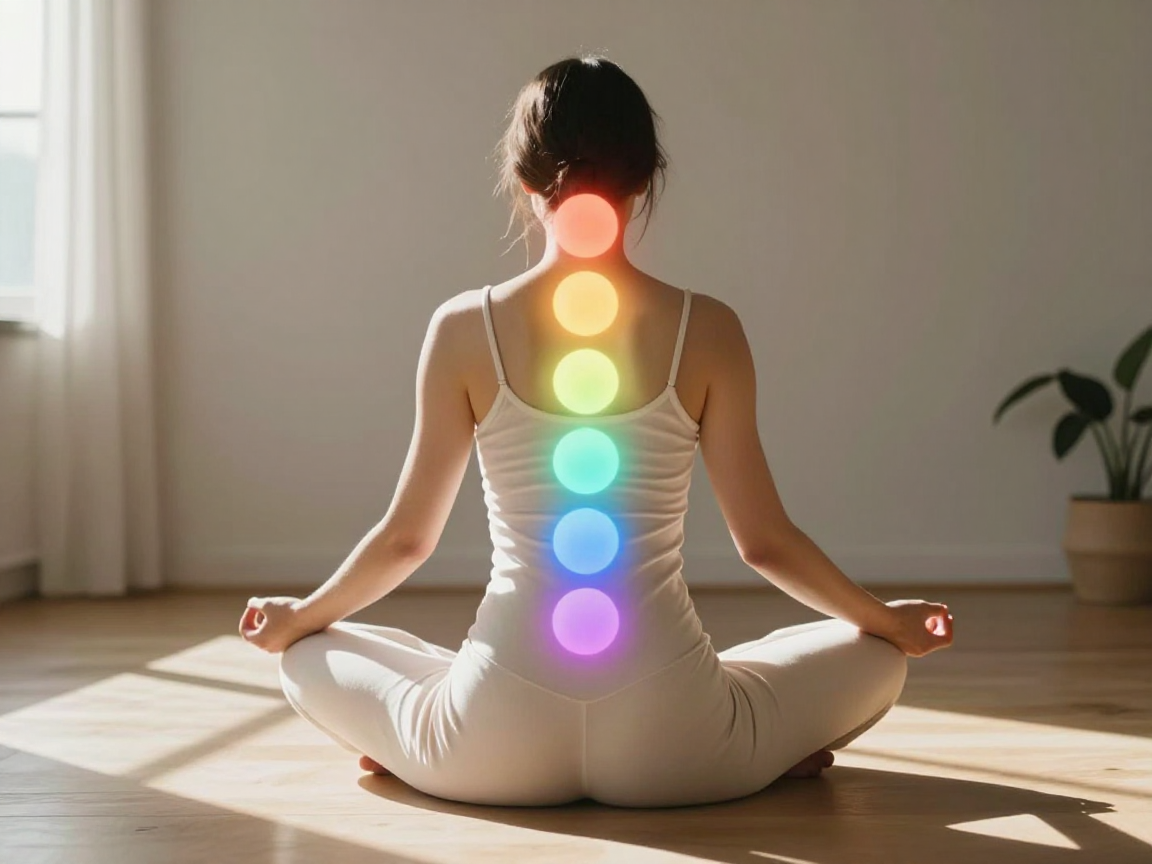
There are days when everything seems technically fine on paper—your schedule is managed, your health is stable, and your environment is calm—yet you feel fundamentally out of sync. You might describe it as a heaviness in your chest, a knot in your stomach, or a strange inability to speak your truth when it matters most. For centuries, various traditions have suggested that these sensations are not just random glitches in our psychology, but signals from our energetic architecture. To understand why we feel the way we do, we must first ask the fundamental question: what are chakras?
At their core, chakras are the intersection points where your consciousness, your emotions, and your physical body meet. They are often described as spinning wheels or vortices of energy that distribute life force throughout your system. When these centers are open and flowing, we tend to feel vital, grounded, and emotionally resilient. When they are restricted or overactive, we might experience everything from chronic fatigue and anxiety to a persistent sense of being stuck in life. This guide will walk you through the landscape of your energy body, explaining the function of each center and providing a grounded approach to maintaining balance.
Defining the Energetic Architecture: What Are Chakras?
The word chakra comes from the Sanskrit word for "wheel" or "disk." In the context of yoga, meditation, and Ayurvedic medicine, these wheels refer to the seven primary energy centers located along the spine, from the base to the crown of the head. While they are not physical organs you can see on an X-ray, they correspond directly to major nerve plexuses and endocrine glands in the physical body. This is why a blockage in a chakra often manifests as both a physical sensation and a psychological pattern.
Think of your energy system as a complex electrical grid. The chakras act as transformers that step down the raw energy of the universe into specific frequencies that your body and mind can use for different functions. One chakra might govern your sense of safety, while another manages your ability to give and receive love. When people ask what are chakras, the most useful answer is that they are the gateways through which we process our experiences. They are the software that runs the hardware of your physical existence.
Historically, the concept dates back to the Vedas (c. 1500–500 BCE), though it has evolved significantly as it integrated into Tantric traditions and eventually Western wellness culture. Regardless of the cultural lens, the premise remains the same: we are more than just biology; we are an interconnected web of energy, and the chakras are the hubs that keep that energy in motion.
The Seven Gateways: Navigating Your Internal System
Understanding the specific role of each chakra allows you to pinpoint where your energy might be stagnant. Each center has a unique frequency, color, and psychological theme. By learning these themes, you can begin to map your own emotional reactions to the state of your energy body.
1. The Root Chakra (Muladhara)
Located at the base of the spine, the Root Chakra is your foundation. It represents your basic survival needs: food, shelter, safety, and a sense of belonging. This is the seat of your "fight or flight" response. When this center is balanced, you feel grounded, secure, and trustful of the world.
- Imbalance Signs: Chronic anxiety, feeling like you're in "survival mode," financial instability, or physical issues with the feet, legs, and lower back.
- The Lesson: I have a right to be here.
2. The Sacral Chakra (Svadhisthana)
Positioned just below the navel, the Sacral Chakra is the center of creativity, sexuality, and emotional fluidity. It governs how we relate to our emotions and the emotions of others. This is where we process pleasure and desire.
- Imbalance Signs: Creative blocks, fear of intimacy, emotional numbness, or addiction. Physically, it relates to the reproductive organs and kidneys.
- The Lesson: I feel; I create.
3. The Solar Plexus Chakra (Manipura)
This is the seat of your personal power and self-esteem, located in the upper abdomen. It is the engine of your willpower and transformation. When you wonder what are chakras and why they affect your career or confidence, the Solar Plexus is usually the answer.
- Imbalance Signs: Low self-esteem, a need to control others, or excessive stubbornness. Physically, it is linked to digestion and the "gut feeling."
- The Lesson: I am powerful and capable.
4. The Heart Chakra (Anahata)
Acting as the bridge between the lower (physical) and upper (spiritual) chakras, the Heart Chakra is located in the center of the chest. It is the wellspring of love, compassion, and integration. It dictates how we form connections.
- Imbalance Signs: Difficulty forgiving, isolation, or "people-pleasing" at the expense of oneself. Physically, it correlates with the heart and lungs.
- The Lesson: I am worthy of love.
5. The Throat Chakra (Vishuddha)
This center governs communication and truth. It is not just about speaking; it is about the integrity of your voice and your ability to express your authentic self.
- Imbalance Signs: Inability to speak up, social anxiety, or talking over others to avoid listening. Physically, it impacts the thyroid and throat.
- The Lesson: I speak my truth.
6. The Third Eye Chakra (Ajna)
Located between the eyebrows, the Third Eye is the center of intuition and imagination. It allows us to see beyond the material world and trust our inner guidance.
- Imbalance Signs: Over-intellectualizing everything, cynicism, or feeling disconnected from your intuition. Physically, it relates to the pituitary gland and eyes.
- The Lesson: I see clearly.
7. The Crown Chakra (Sahasrara)
At the very top of the head sits the Crown Chakra, representing our connection to the divine, the universe, or our highest consciousness. This is the center of spiritual wisdom and transcendence.
- Imbalance Signs: Feeling spiritually disconnected, extreme materialism, or a sense of existential purposelessness.
- The Lesson: I am one with all that is.
Recognizing the Shift: Overactive vs. Underactive Energy
A common misconception when people first learn what are chakras is that a chakra is either "open" or "closed." In reality, it is more helpful to think of them as being in a state of balance, deficiency, or excess.
An underactive (deficient) chakra is like a weak muscle. For example, a deficient Root Chakra might leave you feeling ungrounded and fearful, unable to stand your ground. You lack the necessary energy to fuel that aspect of your life.
An overactive (excessive) chakra is like a motor running too fast. An overactive Solar Plexus might manifest as aggression, arrogance, or a "type A" personality that cannot relax. In this state, the energy is congested and overwhelming, leading to burnout.
True health comes from "alignment," which means the energy is neither stagnant nor chaotic. It flows through each center, allowing you to move from survival (Root) to connection (Heart) to wisdom (Crown) without getting stuck in any one phase.
A 4-Step Framework for Energetic Recalibration
Once you understand what are chakras and identify which ones might be out of balance, the next step is practical application. You do not need complex rituals to begin moving energy. You can use this simple framework to start the process of alignment today.
Step 1: Honest Self-Observation
Before you can fix anything, you must see it clearly. Spend five minutes in silence and scan your body from bottom to top. Where do you feel tension? Where do you feel "empty"? Match these physical sensations to the chakra locations mentioned above. Awareness is 50 percent of the healing process.
Step 2: Utilize Sound and Frequency
Every chakra vibrates at a specific frequency. You can use sound healing—such as Tibetan singing bowls, Solfeggio frequencies, or even your own voice—to resonate with these centers.
- Root (396 Hz): Letting go of fear.
- Sacral (417 Hz): Facilitating change and creativity.
- Solar Plexus (528 Hz): Transformation and DNA repair.
- Heart (639 Hz): Connecting and relationships.
- Throat (741 Hz): Expression and solutions.
- Third Eye (852 Hz): Returning to spiritual order.
- Crown (963 Hz): Divine consciousness.
Step 3: Physical Engagement and Movement
Since chakras are linked to nerve plexuses, physical movement is essential. If your Root Chakra is blocked, go for a walk in nature (earthing). If your Sacral is stuck, try fluid movements like dancing or yoga. For the Solar Plexus, core-strengthening exercises are highly effective. Moving the body literally moves the energy.
Step 4: Intentional Integration
Energy work is not a one-time event; it is a lifestyle. Choose one affirmation that corresponds to your weakest chakra. For example, if you struggle with the Throat Chakra, carry the intention: "My voice is valuable, and I speak with clarity." Carry this intention through your day, especially when you feel triggered.
The Science of Subtle Energy: Where Ancient Wisdom Meets Modern Anatomy
For those who prefer a more clinical perspective, the study of what are chakras doesn't have to be purely mystical. Modern science is beginning to explore the "biofield"—the electromagnetic field that surrounds and permeates the human body. The locations of the seven chakras correspond almost perfectly with the major endocrine glands and nerve bundles.
For instance, the Solar Plexus chakra aligns with the celiac plexus, a complex network of nerves that controls many digestive functions. The Heart chakra aligns with the cardiac plexus. When we experience emotional stress, these nerve centers react, affecting our hormones and our nervous system's state of arousal. By working with chakras, we are essentially using a symbolic language to regulate our autonomic nervous system. Whether you view it as ancient spirituality or modern self-regulation, the result is the same: a more balanced, regulated, and vibrant state of being.
Moving Forward with Energetic Awareness
Learning what are chakras is the first step in becoming the architect of your own internal experience. Rather than being at the mercy of every mood swing or physical ache, you begin to see these occurrences as data points. You start to realize that your "bad mood" might just be a congested Solar Plexus, or that your "anxiety" is a Root Chakra asking for more grounding.
This shift in perspective is incredibly empowering. It moves you from a state of passive reaction to a state of active participation in your own well-being. As you continue to explore your energy body, remember that balance is a moving target. Some days you will feel perfectly aligned; other days will feel like a struggle. The goal is not perfection, but a deeper, more compassionate relationship with the invisible forces that make you who you are. By paying attention to these seven spinning wheels of light, you open the door to a more integrated, conscious, and fulfilled life.