Beyond the Prescription: Why More People Are Turning to Alternative Healing Methods for Lasting Wellness
In an era of rapid medical advancement, it might seem paradoxical that more individuals are looking backward and inward for health solutions. We have access to incredible diagnostic tools and life-saving surgeries, yet many of us feel that something is missing from our standard clinical encounters. We are often treated as a collection of symptoms to be managed rather than a whole person to be nurtured. This gap is exactly why alternative healing methods have moved from the fringes of society into the mainstream of modern wellness.
Alternative healing methods represent a diverse array of practices that fall outside the traditional scope of Western medicine. They prioritize the connection between the mind, the body, and the spirit, often focusing on the root cause of an ailment rather than just its outward expression. Whether it is through the manipulation of energy, the application of ancient herbal wisdom, or the use of sound frequencies to recalibrate the nervous system, these practices offer a complementary path for those who feel the limitations of a purely pharmaceutical or surgical approach. By viewing health through a holistic lens, we can begin to address the underlying stresses and imbalances that often manifest as physical illness.
What Are Alternative Healing Methods?
To understand the appeal of these practices, we must first define what they are. The term alternative healing methods generally refers to any medical treatment or intervention that is not currently considered part of conventional Western medicine. However, the terminology is evolving. When these methods are used alongside standard medical care, they are often called complementary medicine. When they are combined into a seamless, evidence-based approach that treats the whole person, they are known as integrative medicine.
These methods are not a monolith. They range from biologically based practices like specialized diets and herbalism to energy-based therapies like Reiki and Qigong. Some are rooted in thousands of years of tradition, such as Traditional Chinese Medicine (TCM) and Ayurveda, while others, like biofeedback and certain types of frequency therapy, use modern technology to tap into the body - natural rhythms. The common thread among them is a belief in the body - innate ability to heal itself when given the right environment and support.
The Shift Toward Holistic Health
The rising popularity of alternative healing methods is not just a trend; it is a response to a healthcare system that often feels hurried and impersonal. In a standard ten-minute doctor - appointment, there is rarely enough time to discuss emotional stressors, dietary habits, or the quality of one - sleep. Many people feel they are being processed through a system rather than being heard by a practitioner.
Moving Beyond Symptom Management
Conventional medicine is world-class at acute care. If you have a broken leg or a severe infection, you want a modern hospital. However, for chronic conditions - such as autoimmune disorders, persistent fatigue, and anxiety - the results are often less satisfying. Alternative healing methods often excel in these gray areas. Instead of simply prescribing a pill to suppress a symptom, an alternative practitioner might ask why the symptom is there in the first place. This investigative approach often leads to lifestyle changes that create long-term health rather than short-term relief.
The Power of the Mind-Body Connection
Modern science is finally beginning to validate what ancient traditions have known for centuries: the mind and body are not separate. Stress, trauma, and emotional suppression have tangible effects on our physical health. Alternative healing methods like meditation, yoga, and somatic experiencing focus heavily on this connection. By regulating the nervous system and moving the body out of a state of chronic stress - or "survival mode" - these therapies allow the immune system and cellular repair mechanisms to function at their peak.
A Closer Look at Popular Modalities
While the list of alternative healing methods is vast, a few specific practices have shown remarkable results for those seeking a deeper level of wellness. Each of these modalities works on a different level of the human experience, from the physical to the energetic.
Sound and Frequency Therapy
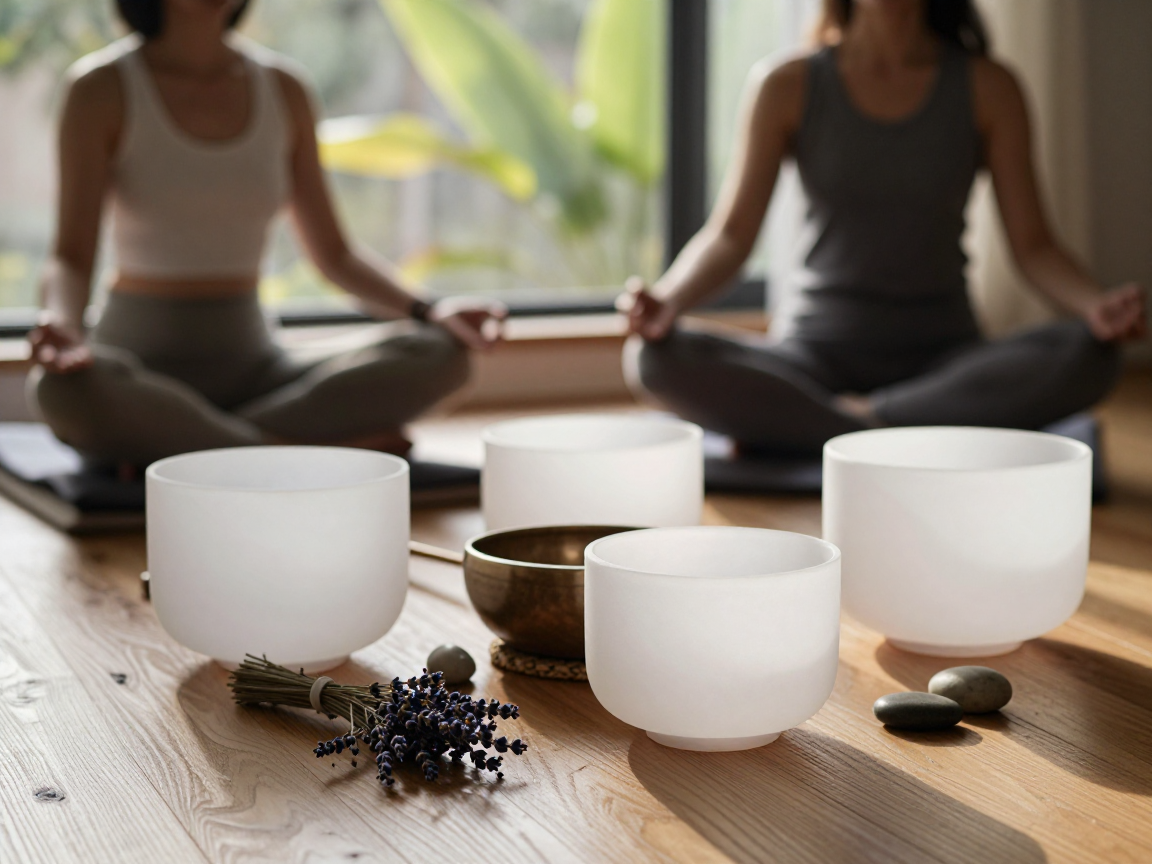
Sound healing is one of the oldest forms of medicine, yet it is undergoing a scientific renaissance. The logic is simple: everything in the universe vibrates at a specific frequency, including our organs and cells. When we are stressed or ill, our natural frequencies can become disharmonious. Using tools like singing bowls, gongs, or specific Hertz frequencies - such as 528 Hz for DNA repair or 432 Hz for relaxation - sound therapy helps to entrain the brain and body back into a state of coherence. It is a powerful way to induce deep relaxation and release emotional blockages without the need for verbal processing.
Traditional Chinese Medicine and Acupuncture
Acupuncture is perhaps the most well-known of the alternative healing methods. By inserting very thin needles into specific points on the body, practitioners aim to balance the flow of "Qi" - or life force energy. From a Western perspective, acupuncture has been shown to stimulate the nervous system, release endorphins, and improve blood flow. It is widely used for pain management, fertility support, and digestive issues, proving that ancient wisdom can stand up to modern clinical scrutiny.
Energy Medicine and Reiki
Reiki is a Japanese technique for stress reduction and relaxation that also promotes healing. It is based on the idea that an unseen "life force energy" flows through us. If one - life force energy is low, then we are more likely to get sick or feel stress. During a session, a practitioner lightly places their hands on or just above the body to facilitate the flow of this energy. While it may seem subtle, many recipients report profound feelings of peace, warmth, and emotional release, making it a valuable tool for those dealing with burnout or grief.
A Practical Framework: How to Start Your Journey
If you are new to the world of alternative healing methods, the sheer number of options can feel overwhelming. It is important to approach these therapies with both an open mind and a discerning spirit. Here is a five-step framework to help you navigate your journey safely and effectively.
- Define Your Intention
Are you seeking relief from physical pain, or are you looking for emotional clarity? Knowing your primary goal will help you narrow down which modalities to try. For example, someone with chronic back pain might start with acupuncture, while someone seeking mental stillness might prefer sound baths.
- Research and Vet Practitioners
Because many alternative healing methods are not regulated in the same way as conventional medicine, doing your homework is essential. Look for practitioners with recognized certifications, positive testimonials, and a willingness to explain their process. A good practitioner should be happy to answer questions about their training and what to expect.
- Start with One Modality at a Time
It is tempting to try everything at once, but this makes it difficult to tell what is actually working. Give a specific practice at least three to five sessions before deciding if it is right for you. Some therapies have a cumulative effect and require time for the body to respond.
- Listen to Your Body
Alternative healing is deeply personal. What works for a friend might not work for you. Pay close attention to how you feel during and after a session. Do you feel lighter and more energized, or do you feel agitated? Your body - intuitive response is your best guide.
- Integrate, Don't Isolate
The most effective approach to health is usually an integrated one. Do not feel you have to choose between your doctor and your alternative practitioner. Ideally, these two worlds should work together. Always inform your medical doctor about any supplements or energy work you are doing to ensure a cohesive care plan.
Balancing Science and Intuition
One of the biggest hurdles for people considering alternative healing methods is the perceived lack of clinical data. While it is true that many of these practices have not undergone multi-million-dollar double-blind studies, a lack of data is not necessarily a lack of efficacy. Many of these methods have been used successfully for thousands of years. Furthermore, the "placebo effect" - often dismissed in clinical trials - is actually a testament to the power of the mind to initiate healing. If a practice makes you feel better, reduces your stress, and improves your quality of life, it has value.
However, it is equally important to stay grounded. Be wary of any practitioner who claims they can "cure" serious diseases without medical intervention or who suggests you stop your prescribed medications without consulting your doctor. The goal is to expand your toolkit, not to abandon common sense.
Choosing the Right Path for Your Body
Ultimately, the journey into alternative healing methods is a journey toward self-sovereignty. It is about taking an active role in your own well-being rather than being a passive recipient of care. Whether you find solace in the resonance of a crystal bowl, the precision of an acupuncture needle, or the quiet power of a meditation practice, you are acknowledging that you are more than just a biological machine. You are a complex system of energy, emotion, and physical matter, and you deserve a healing path that honors all of those parts. By blending the best of modern science with the depth of alternative wisdom, you can create a sustainable, vibrant foundation for health that lasts a lifetime.