The Silent Language of Energy: What is Reiki and How Does It Actually Facilitate Healing?
In our increasingly loud and fast - paced world, many of us find ourselves searching for a sense of quiet that a vacation or a weekend on the couch simply cannot provide. We feel a subtle static in our bodies - a restless energy or a heavy fatigue that persists despite getting enough sleep. This search for internal harmony is what often leads people to ask the question: what is Reiki? At its most basic level, Reiki is a Japanese technique for stress reduction and relaxation that also promotes healing. It is based on the idea that an unseen life force energy flows through us and is what causes us to be alive.
While the concept of energy healing might sound mystical or elusive, the actual practice is remarkably grounded. It does not require a specific belief system, nor does it demand that you understand the intricacies of quantum physics to experience its effects. Instead, it invites a return to a state of equilibrium. Whether you are dealing with chronic physical pain, emotional blockages, or simply a nervous system that has forgotten how to switch off, understanding what is Reiki can be the first step toward a more integrated sense of well - being. By exploring its origins, its application, and the science that is beginning to catch up with its results, we can demystify this ancient practice for the modern age.
The Origins and Meaning: Defining the Life Force
To truly answer what is Reiki, we must look to early 20th - century Japan and a man named Mikao Usui. While many legends surround his discovery of the system, the most historical accounts suggest he developed it after a period of intense meditation and fasting on Mount Kurama. The word itself is derived from two Japanese words: Rei, which translates to "Universal" or "Higher Power" , and Ki, which means "life force energy" . Therefore, Reiki is literally "spiritually guided life force energy" .
This Ki is the same concept found in other cultures under different names: Prana in India, Chi in China, or Mana in Polynesian cultures. The fundamental premise is that when your life force energy is high and flowing freely, you are more likely to feel happy and healthy. When it is low or blocked - often due to stress, trauma, or illness - you are more susceptible to feeling unwell. A Reiki practitioner does not "give" you their own energy; rather, they act as a conduit or a bridge, allowing the universal energy to flow through their hands to the recipient, supporting the body's natural ability to heal itself.
The Five Precepts: The Ethical Heart of Reiki
Reiki is more than just a physical treatment; it is a way of living. Mikao Usui established five core principles, known as the Gokai, which were intended to be recited daily to improve the mind and body. These principles offer a window into what is Reiki as a spiritual discipline rather than just a therapeutic tool. They are usually phrased starting with the phrase "Just for today" :
- Just for today, I will not worry.
- Just for today, I will not be angry.
- Just for today, I will be grateful.
- Just for today, I will do my work diligently.
- Just for today, I will be kind to every living thing.
By focusing on the present moment - the "just for today" aspect - Reiki practitioners encourage a state of mindfulness that lowers cortisol and invites the parasympathetic nervous system to take the lead. This shifts the body from a state of "fight or flight" into a state of "rest and digest" , which is the only state in which true cellular repair can occur.
What Happens During a Reiki Session?
If you have never experienced energy work, the prospect of your first session might feel a bit uncertain. A typical session lasts between 45 and 90 minutes and takes place in a quiet, comfortable setting. Unlike a massage, you remain fully clothed, usually lying on a massage table or sitting comfortably in a chair.
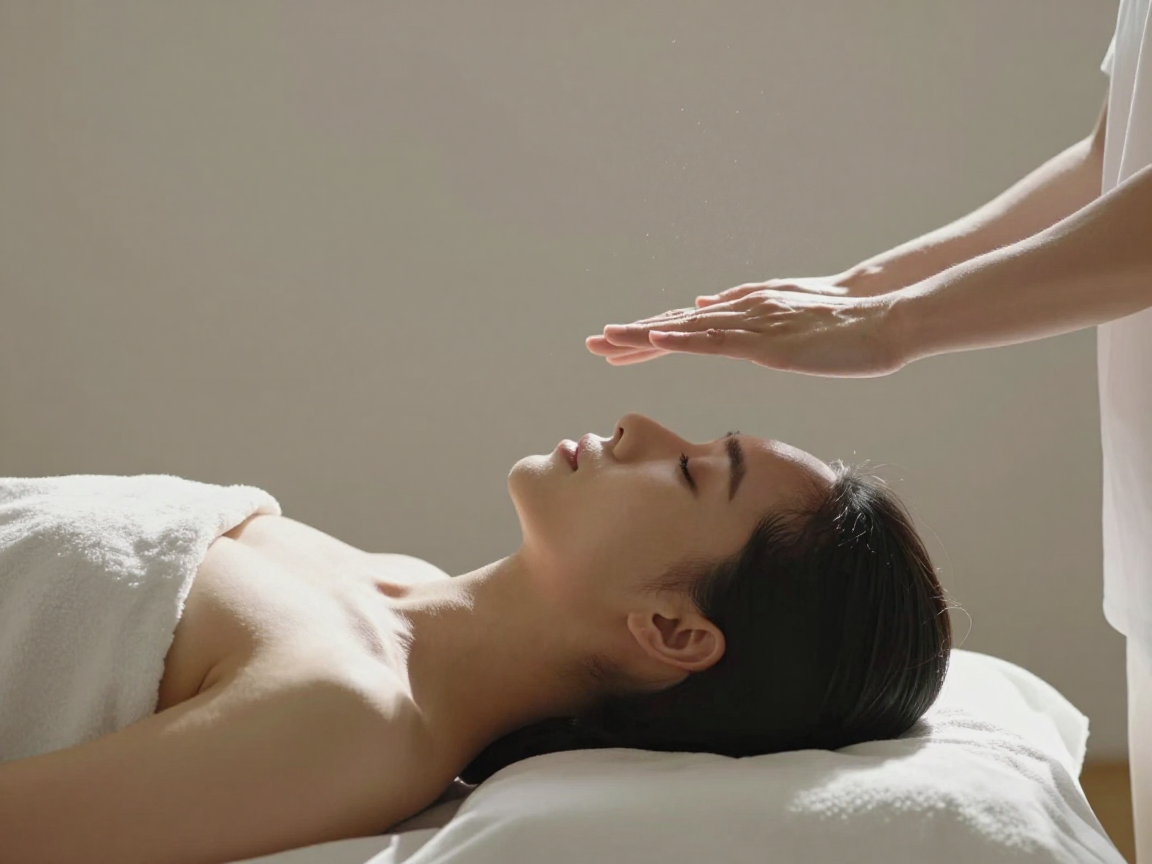
The practitioner will place their hands lightly on or just above specific areas of the head, torso, and back. There is no manipulation of tissue or pressure applied. Instead, the practitioner holds these positions for several minutes at a time. Many people wonder what is Reiki supposed to feel like during the process? The experience is highly subjective, but common sensations include:
- Heat or Cold: You might feel a distinct warmth emanating from the practitioner's hands, or sometimes a cool breeze sensation.
- Tingling: A gentle "pins and needles" or buzzing sensation in certain parts of the body.
- Deep Relaxation: Most people enter a state of deep meditative rest, often hovering between sleep and wakefulness.
- Emotional Release: It is not uncommon to feel a sudden wave of sadness, joy, or relief as suppressed energetic blocks begin to move.
- Visuals: Some individuals see colors, shapes, or light patterns behind their closed eyelids.
The Science of the Biofield: How Does It Work?
While the traditional explanation of Reiki involves spiritual energy, modern science is beginning to provide a more physiological context through the study of the biofield. The biofield is a field of energy and information that surrounds and permeates the human body. We know the heart produces an electromagnetic field that can be measured several feet away with a SQUID (Superconducting Quantum Interference Device) magnetometer. Proponents of energy medicine argue that what is Reiki is simply the intentional interaction between the practitioner's biofield and the client's biofield.
Research suggests that Reiki may influence the autonomic nervous system. Studies published in various medical journals have shown that Reiki can significantly decrease heart rate, lower blood pressure, and improve Heart Rate Variability (HRV). Improved HRV is a key indicator that the body is better able to handle stress. This explains why Reiki is increasingly being offered in hospitals and cancer centers as a complementary therapy - it helps manage the side effects of conventional treatments and fosters an internal environment conducive to recovery.
The Reiki Integration Roadmap: A Step-by-Step Framework
If you are interested in exploring what is Reiki for yourself, it helps to have a structured approach to your first experience. Here is a framework to help you navigate the process from curiosity to integration.
- Define Your Intention: Before booking, ask yourself why you are seeking Reiki. Is it for physical pain, emotional clarity, or general stress relief? Having an intention helps you focus during the session.
- Research Practitioners: Look for someone who has been certified as a Reiki Master or Level II practitioner. Check for reviews or ask for recommendations. The "vibe" or rapport you feel with the practitioner is important.
- Prepare Your Body: On the day of your session, stay hydrated and avoid heavy meals or excessive caffeine. Wear loose, comfortable clothing.
- The Pre-Session Talk: A good practitioner will spend a few minutes asking about your health history and any specific areas you want to focus on. Use this time to ask questions.
- The Session: During the treatment, your only job is to breathe and remain open. If your mind wanders, gently bring it back to the sensation of your breath.
- Post-Session Grounding: Drink plenty of water afterward. Reiki can have a detoxifying effect on the body. You may feel energized, or you may feel the need for a long nap.
- Reflect and Observe: Over the next 24 to 48 hours, notice any shifts in your mood, sleep quality, or physical tension. Energy work often has a "ripple effect" that unfolds over several days.
Understanding the Training: The Three Levels of Reiki
One of the unique aspects of what is Reiki is that it is not "taught" in the traditional sense, but "attuned" . A student receives an attunement from a Reiki Master, which is said to open their energy channels and allow them to connect more deeply to the universal life force. There are typically three levels of training:
- Level I (Shoden): Focuses on physical healing and self - treatment. This is the foundational level where students learn the history and basic hand positions.
- Level II (Okuden): Introduces sacred symbols that are said to enhance the flow of energy. At this level, students learn how to perform "distance Reiki" , sending energy across space and time.
- Level III/Master (Shinpiden): The highest level, which allows the practitioner to teach others and perform the attunement process themselves.
Many people choose to take Level I just for their own personal self - care, even if they never intend to work with clients professionally. Learning what is Reiki from the perspective of a practitioner can provide a powerful tool for self - regulation and emotional resilience.
Common Myths and Misconceptions
Because Reiki deals with the invisible, it is often subject to misunderstandings. To gain a clear picture of what is Reiki, we must address what it is not.
First, Reiki is not a substitute for medical or psychological treatment. It is a complementary therapy that works alongside conventional medicine. A reputable practitioner will never suggest you stop taking medication or skip a doctor's appointment.
Second, Reiki is not a religion. While it is spiritual in nature and encourages ethical living, it does not require you to subscribe to any specific deity or dogma. People of all faiths (and no faith) practice and receive Reiki.
Third, Reiki is not "magic" . It does not provide instant cures for complex, long - term ailments. Instead, it works subtly and cumulatively. Think of it like clearing a clogged pipe; sometimes it takes a few sessions to move the debris that has been building up for years.
Why Reiki Matters Today
We live in a state of constant sensory overload. Our brains are processing more information in a single day than our ancestors did in a lifetime. This keeps our nervous systems in a perpetual state of high alert. When we ask what is Reiki in this context, the answer is that it is an antidote to the modern condition. It provides a rare space where nothing is demanded of you, no one is talking at you, and you are allowed to simply exist in a state of supported silence.
By balancing the body's energy, Reiki helps bridge the gap between the mind and the body. It reminds us that we are not just a collection of symptoms or a brain on a stick, but a complex, interconnected system of energy. Whether you use it to manage the stress of a demanding career, to support your body through a physical illness, or to deepen your meditation practice, Reiki offers a gentle yet profound path back to yourself. The journey of understanding what is Reiki is ultimately a journey of rediscovering your own innate capacity for peace.