The Hidden Language of Sleep: A Deep Dive into the Essential Types of Dreams and Why They Matter
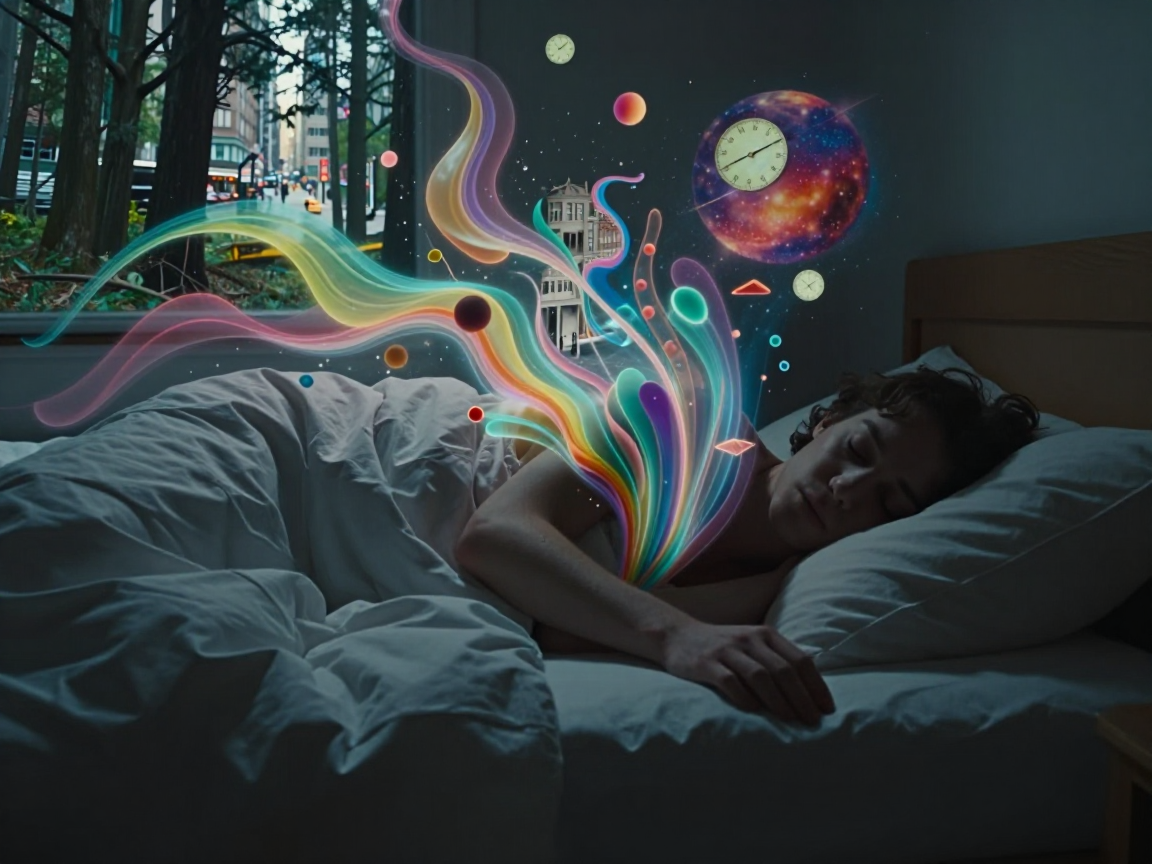
Every night, while our bodies rest in the stillness of sleep, our minds become the architects of vast, complex worlds. We might find ourselves flying over impossible landscapes, reliving a conversation from three years ago, or fleeing from a nameless shadow. These experiences are far more than just random neural firing. They are a window into our deepest anxieties, desires, and the intricate ways our brains process reality. Understanding the various types of dreams is not just a matter of curiosity; it is a way to gain insight into our mental health and cognitive function.
While science has yet to fully map the territory of the dreaming mind, we know that dreaming is a universal human experience. Whether you remember them vividly or wake up with only a fading sense of emotion, your brain is busy during the night categorizing memories and regulating emotions. By categorizing the common types of dreams, we can begin to see patterns in our own lives, helping us bridge the gap between our conscious and subconscious selves.
The Science of Why We Dream
Before diving into the specific types of dreams, it is important to understand the biological theater where they take place. Most dreaming occurs during the REM (Rapid Eye Movement) stage of sleep, though it can happen in non - REM stages as well. During REM, the brain is remarkably active - almost as active as it is when we are awake. The amygdala, which processes emotions, is firing away, while the prefrontal cortex - the part of the brain responsible for logic and impulse control - is largely dialed down. This explains why dreams can feel so intensely emotional yet remain completely nonsensical.
Psychologists have debated the purpose of these nocturnal visions for over a century. Sigmund Freud famously viewed them as "the royal road to the subconscious", believing they represented repressed desires. Carl Jung, on the other hand, saw dreams as a way for the mind to achieve balance through a process he called compensation. Modern neuroscientists often lean toward the Activation - Synthesis Theory, suggesting that dreams are the brain's attempt to make sense of random neural signals. Regardless of the theory you subscribe to, the various types of dreams we experience serve as a vital emotional processing system.
The Core Types of Dreams We All Experience
Not every dream carries the same weight or follows the same structure. Most of our nightly visions fall into a few primary categories that relate to our daily survival and emotional regulation.
Ordinary and Processing Dreams
These are perhaps the most common types of dreams. They often feel like a disorganized "clip show" of your day. You might dream about sending emails, grocery shopping, or having a mundane conversation with a coworker. Researchers often refer to this as "day residue". These dreams are essentially the brain's way of filing away information, deciding what is important to keep and what can be discarded. While they might seem boring, they are essential for memory consolidation and cognitive maintenance.
Healing and Emotional Dreams
Sometimes, the types of dreams we have serve as a form of nocturnal therapy. Emotional processing dreams often tackle feelings we are struggling to manage during our waking hours. If you are grieving or going through a breakup, you might dream of the person involved in a way that feels cathartic. These dreams allow the brain to test out emotional responses in a safe, simulated environment, essentially stripping the "sting" away from painful memories so we can function better the next day.
Problem - Solving Dreams
Have you ever gone to bed stuck on a difficult task only to wake up with the answer? Problem - solving dreams are a fascinating category where the mind continues to work on logic or creativity while the body rests. Because the prefrontal cortex is less restrictive, the dreaming mind can make lateral connections that the conscious mind would never consider. History is full of scientists and artists who claim their best ideas came from these specific types of dreams.
Intensity and Persistence: Nightmares and Recurring Dreams
Not all dreams are pleasant or mundane. Some of the most impactful types of dreams are those that demand our attention through fear or repetition.
Nightmares vs. Night Terrors
Nightmares are vivid, frightening dreams that usually cause the dreamer to wake up feeling distressed. They often occur during REM sleep and are frequently linked to stress, trauma, or even certain medications. While they are unpleasant, nightmares serve as an internal alarm system, highlighting areas of our lives where we feel threatened or overwhelmed.
Night terrors are different. They typically occur during non - REM sleep and involve a sudden, intense physical reaction - such as screaming or thrashing - without a clear narrative dream. People who experience night terrors often have no memory of the event the next morning. Understanding the distinction between these types of dreams is crucial for anyone looking to improve their sleep hygiene or mental well - being.
The Mystery of Recurring Dreams
If you find yourself repeatedly returning to the same house, the same exam you forgot to study for, or the same forest, you are experiencing recurring dreams. These types of dreams are often interpreted as the subconscious mind "flagging" an unresolved issue. Until the underlying conflict or stressor is addressed in waking life, the brain continues to play the same simulation. They are essentially a feedback loop that requires conscious intervention to break.
Advanced States: Lucid Dreaming and False Awakenings
Some types of dreams blur the line between the sleeping and waking world, offering a level of clarity that can be both exhilarating and disorienting.
Lucid Dreams
Lucid dreaming occurs when the dreamer becomes aware that they are dreaming while still in the dream state. This realization often triggers a surge of activity in the prefrontal cortex, allowing the dreamer to exert some level of control over the environment. You might decide to fly, change the scenery, or speak to specific characters. Lucid dreams are highly sought after for personal growth and creative exploration, as they provide a conscious entry point into the subconscious.
False Awakenings
Have you ever "woken up", brushed your teeth, and started your morning routine, only to actually wake up in bed a few minutes later? This is a false awakening. These types of dreams can be incredibly convincing and are often associated with vivid dreaming or lucid dream transitions. They can sometimes lead to a "loop" where the dreamer feels they have woken up multiple times, which can be unsettling but is ultimately a harmless quirk of the brain transitioning between sleep stages.
A Framework for Decoding Your Dreams
Understanding the different types of dreams is only the first step. To truly benefit from your nightly visions, you need a system to interpret them. Use the following framework to analyze your dreams more effectively.
- Immediate Capture: Keep a journal by your bed. The moment you wake up, write down every detail you remember. Do not worry about grammar or logic. Focus on the "feeling" of the dream.
- Identify the Dream Type: Categorize the dream based on the sections above. Was it an ordinary processing dream, a nightmare, or perhaps a vivid recurring dream?
- Isolate the Primary Emotion: Ask yourself, "What was the strongest emotion I felt?" Often, the plot of the dream is less important than the underlying feeling - such as shame, joy, or urgency.
- Connect to Waking Life: Look for parallels between the dream's emotion and your current life circumstances. If you were being chased in the dream, what are you "running from" in your career or relationships?
- Check for Symbols, Not Definitions: Avoid generic dream dictionaries. A "dog" in a dream might mean loyalty to one person and fear to another. Determine what the symbols mean to you personally.
The Role of Vivid and Prophetic Dreams
Vivid dreams are characterized by their intense sensory details - bright colors, distinct smells, and a feeling of absolute realism. These types of dreams often occur during periods of high stress, pregnancy, or after making significant lifestyle changes. While they aren't necessarily a separate category from processing dreams, their intensity makes them more likely to be remembered and analyzed.
Prophetic or precognitive dreams are a more controversial topic. These are dreams that appear to predict future events. While many scientists attribute these to "coincidence" or the brain making highly accurate predictions based on existing data, many people find them deeply significant. Regardless of their origin, these types of dreams reflect the mind's incredible ability to synthesize information and project potential outcomes.
Cultivating a Healthier Dream Life
If you want to experience more diverse types of dreams - or simply want to remember them better - your daily habits matter. Sleep deprivation is the primary enemy of dreaming. When you are sleep - deprived, your brain prioritizes deep, NREM sleep for physical recovery, often cutting into the REM time needed for dreaming. By prioritizing a consistent seven to nine hours of rest, you give your brain the space it needs to enter the complex world of the subconscious.
Furthermore, pay attention to your "mental diet" before bed. Engaging with intense media or high - stress work right before sleep can influence the types of dreams you have, often leaning them toward anxiety or nightmares. Instead, practice a wind - down routine that encourages calm and reflection. This creates a fertile ground for more insightful, creative, and peaceful dreaming experiences.
Dreams are not just static images or random noise. They are a dynamic, living part of our psychological makeup. By paying attention to the various types of dreams we experience, we can learn to navigate our inner lives with more grace, solve problems with more creativity, and understand the hidden narratives that drive our behavior during the day. The next time you close your eyes, remember that you are not just "sleeping" - you are embarking on a vital journey of self - discovery.