Unlocking the Somatic Vault: How to Release Trauma Stored in the Body and Reclaim Your Vitality
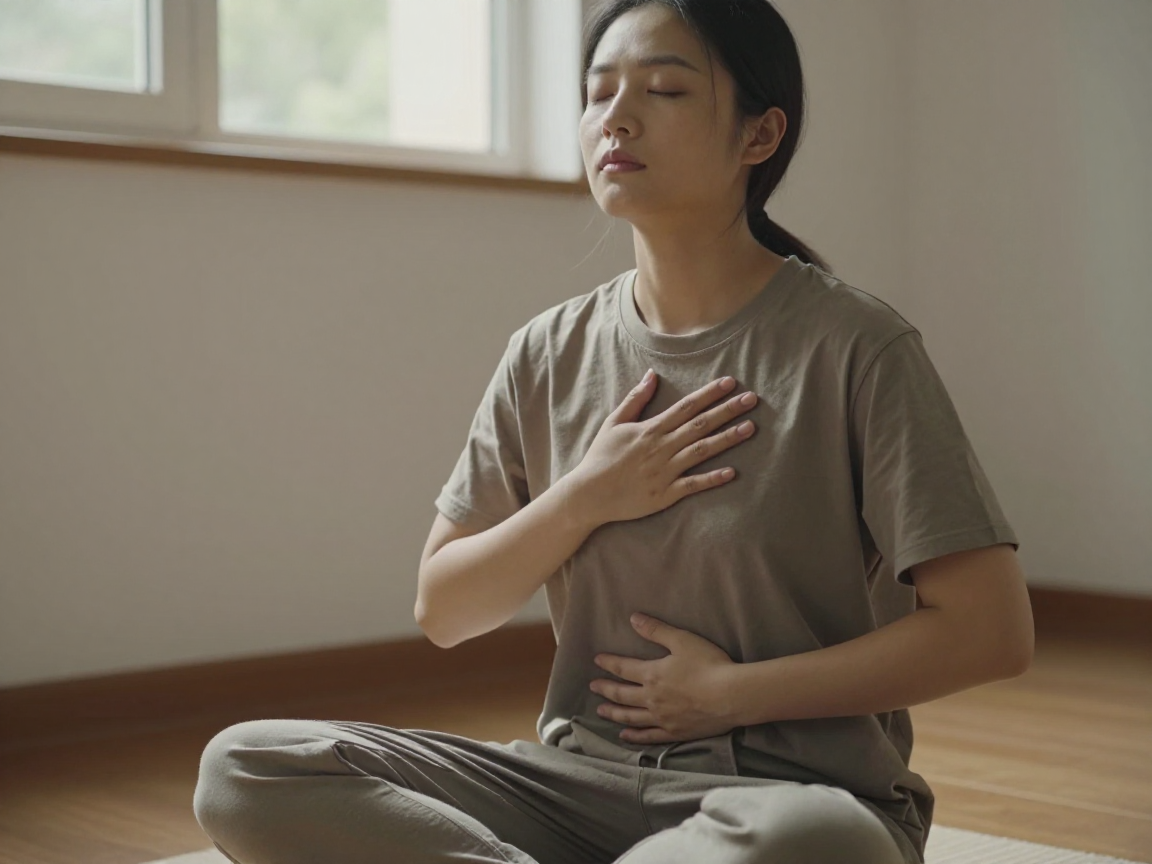
We often treat the mind and body as if they were separate rooms in a house, rarely checking the foundation to see how they are connected. When we experience something overwhelming or painful, our culture tells us to talk about it, analyze it, and try to think our way out of the distress. However, many people find that even after years of traditional therapy, a lingering sense of unease remains. The tightness in the chest, the persistent knot in the shoulders, and the unexplained digestive issues do not seem to care about logical breakthroughs. This is because trauma stored in the body does not exist as a cognitive narrative—it exists as a physiological state.
To understand why we feel stuck, we must recognize that trauma is not just a story about something that happened a long time ago. It is a biological residue left behind by an incomplete survival response. When the brain perceives a threat, it mobilizes an enormous amount of energy to help us fight or flee. If we cannot do either—if we are forced to endure or freeze—that high-octane energy stays locked within our nervous system and connective tissues. Learning to address trauma stored in the body is the key to moving from a state of survival into a state of genuine living.
The Science of Why Trauma Lives in Our Tissues
The idea of trauma stored in the body is backed by decades of research in neuroscience and traumatology. When we encounter a stressor, the amygdala signals the adrenal glands to pump cortisol and adrenaline through our system. In a healthy cycle, once the threat passes, the parasympathetic nervous system kicks in to settle the body back into a state of rest and digest. However, chronic stress or acute trauma can disrupt this cycle, leaving the nervous system stuck in an "on" position.
This "stuckness" physically manifests in the fascia, the thin casing of connective tissue that surrounds every organ, blood vessel, bone, nerve fiber, and muscle. Think of fascia as a record-keeper. It is highly sensitive and reacts to emotional stress by tightening. Over time, if the emotional stress is not resolved, the fascia hardens to protect the body, creating "armor." This is why you might feel like you are carrying the weight of the world on your shoulders; in a very literal sense, your connective tissue has thickened in response to perceived pressure.
Furthermore, the psoas muscle—often called the "muscle of the soul"—plays a critical role in somatic retention. Located deep within the hip joint, the psoas is the primary muscle involved in the "flee" response. Every time we feel threatened, the psoas instinctively contracts to pull our knees up to protect our vital organs or to prepare us to run. If we never "shake off" that tension, the psoas remains chronically tight, sending a constant stream of "danger" signals back to the brain, even when we are perfectly safe.
Identifying the Symptoms of Somatic Retention
Because trauma stored in the body is often "silent" in terms of conscious thought, it communicates through physical sensations and behavioral patterns. You may not even realize that your physical ailments are connected to past experiences until you look at the broader picture of somatic symptoms. Common signs that your body is holding onto unresolved trauma include:
- Chronic pain in the neck, back, or jaw (TMJ) that does not respond to traditional medical treatment.
- A persistent feeling of being "on edge" or hyper-vigilant, even in safe environments.
- Digestive issues, such as IBS or chronic bloating, often linked to the "gut-brain axis" being in a state of alarm.
- Shallow, restricted breathing or a constant feeling of "air hunger."
- Difficulty feeling "grounded" or a sense of dissociation, where you feel disconnected from your limbs or your physical sensations.
- Exaggerated startle responses to loud noises or sudden movements.
- Chronic fatigue that persists despite getting adequate sleep.
Recognizing these symptoms is the first step toward healing. It shifts the perspective from "What is wrong with me?" to "What is my body trying to tell me?" By acknowledging that the body is simply trying to protect itself using an outdated map, we can begin the work of updating that map for the present moment.
The Role of the Nervous System: Fight, Flight, and Freeze
To effectively address trauma stored in the body, we must understand the Polyvagal Theory, developed by Dr. Stephen Porges. This theory explains that our autonomic nervous system has three primary states. The first is the Ventral Vagal state, where we feel safe, social, and connected. The second is the Sympathetic state, characterized by fight or flight. The third is the Dorsal Vagal state, which is the "freeze" or "shutdown" response.
When trauma is stored in the body, the nervous system often oscillates between sympathetic arousal (anxiety, panic, rage) and dorsal shutdown (depression, numbness, brain fog). We lose the ability to return to the Ventral Vagal state of calm. Healing involves teaching the body that the threat has ended. This is not something that can be done through "positive thinking" alone because the message must travel from the body up to the brain—a process known as "bottom-up" processing.
A Practical Roadmap for Somatic Release and Healing
Releasing trauma stored in the body requires a gentle, patient approach. You cannot force the nervous system to relax; you must invite it to do so by creating an environment of safety. The following five-step framework is designed to help you begin the process of somatic inquiry and release.
1. Orienting to the Present Environment
Before diving into internal sensations, you must establish that you are safe in the "here and now." Spend a few minutes looking around your room. Notice three things you can see, two things you can hear, and one thing you can touch. This simple act tells your nervous system that you are not currently in a life-threatening situation.
2. Developing Interoception
Interoception is the ability to sense the internal state of your body. Start by doing a "body scan." Instead of judging a sensation as "bad" or "painful," try to describe it with neutral language. Is it "tight," "heavy," "warm," or "tingly"? By observing the sensation without trying to change it immediately, you begin to build a bridge of communication with your body.
3. The Practice of Titration
One of the biggest mistakes people make when trying to release trauma stored in the body is going too deep, too fast. This can lead to re-traumatization. Titration is the process of experiencing small "drops" of the stored energy at a time. If you feel a massive knot of anxiety in your stomach, focus on the very edge of that knot rather than the center. Work with small pieces of the tension until they begin to soften.
4. Pendulation between Resources and Tension
Pendulation involves moving your attention back and forth between a "resource" (a place in your body that feels neutral or good) and the area of tension. For example, if your chest feels tight, find a place that feels "okay"—perhaps your big toe or your earlobe. Shift your focus from the chest to the earlobe and back again. This teaches your nervous system that it has the capacity to move out of contraction and into expansion.
5. Allowing for Somatic Discharge
As the body begins to release stored energy, you may experience "discharge." This can manifest as spontaneous shaking, trembling, yawning, deep sighs, or a sudden flush of heat. In our culture, we often try to suppress these reactions because they look "weird." However, this is exactly how the body completes the survival cycle. If you feel a shake coming on, let it happen! It is the "trauma" leaving the building.
Why Movement and Sound are Essential Tools
Because the nervous system is non-verbal, movement and sound are often more effective than words for reaching the layers of trauma stored in the body. Gentle, intuitive movement helps to hydrate the fascia and release the psoas muscle. This doesn't necessarily mean a strenuous gym workout; rather, it means "somatic movement"—slowly stretching, rolling on the floor, or dancing in a way that feels good to your tissues.
Sound is another powerful regulator. The Vagus nerve, which controls the "rest and digest" response, passes through the vocal cords and the inner ear. Humming, chanting, or even making low-pitched "voo" sounds can vibrate the Vagus nerve and signal the body to shift out of a state of high alert. This is why many ancient healing traditions incorporate chanting and drumming; they were "hacking" the nervous system long before we had the scientific terminology to explain it.
Moving Toward Freedom and Integration
Healing the trauma stored in the body is not a linear event; it is a lifestyle of listening. It requires a shift from being a "master" of your body to being a "partner" with it. As you begin to release these old patterns, you may find that your emotional landscape changes. You might feel more "available" for joy, more resilient in the face of stress, and more connected to the people around you.
Remember that your body held onto this trauma to keep you alive. It is not your enemy; it is a loyal protector that simply doesn't know the war is over yet. By using somatic tools to signal safety, you can finally allow those tensed muscles to soften and those deep-seated fears to dissolve. Reclaiming your body is the ultimate act of self-love, allowing you to inhabit your life fully, perhaps for the very first time.