Beyond the Upside Down: A Grounded Guide to Tarot Reversals Meaning and Shadow Work
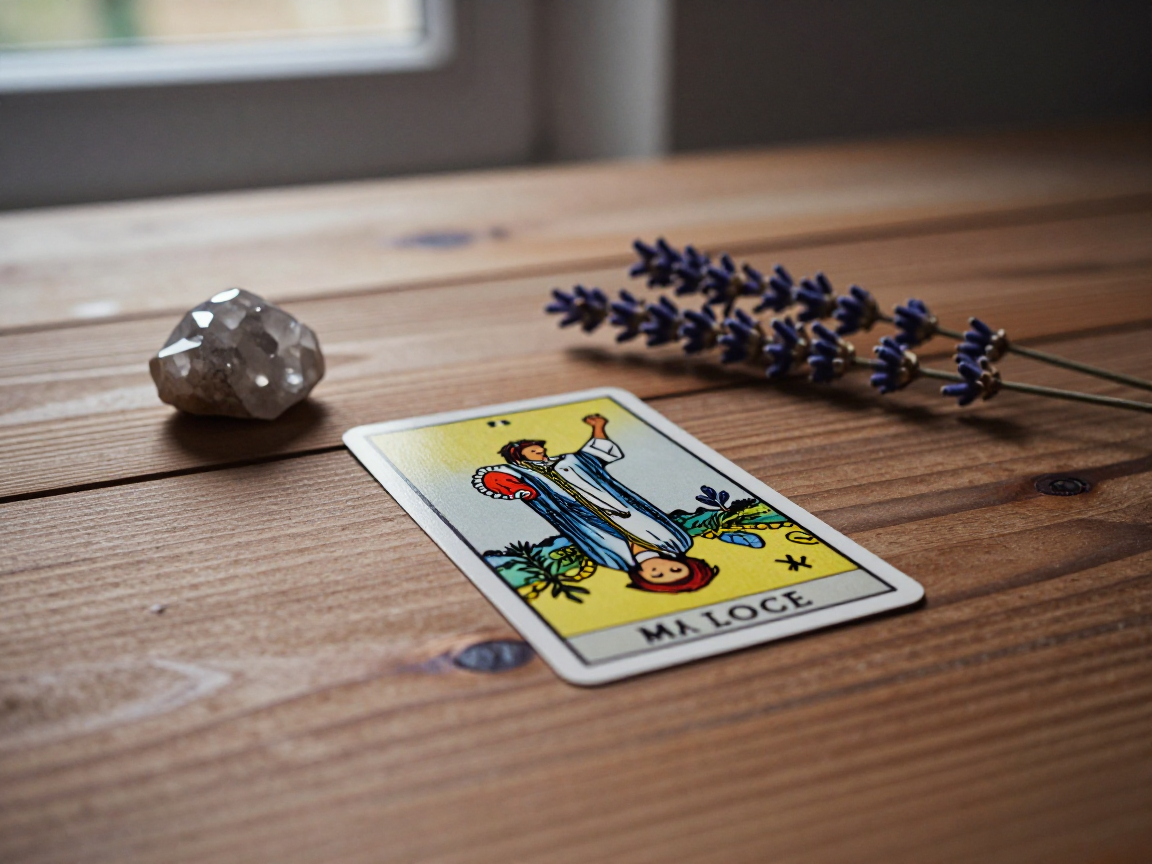
There is a specific, sinking feeling that often accompanies the sight of a card landing upside down on the reading table. For many beginners and seasoned practitioners alike, the immediate reaction to seeing a reversal is one of apprehension. We tend to associate the upright position with the natural order of things, and the inverted position with a disruption of that order. However, learning to interpret tarot reversals meaning is not about memorizing a list of bad outcomes or negative omens. Instead, it is an invitation to look beneath the surface of the situation and explore the subtle, internal, and often hidden currents of the human experience.
When we ignore reversals, we essentially limit the vocabulary of the deck. While a seventy-eight card deck offers a massive range of archetypal wisdom, incorporating tarot reversals meaning effectively doubles that vocabulary to one hundred and fifty-six nuances. This added depth allows for a more precise diagnostic tool when navigating emotional blocks, spiritual stagnation, or the complex dance between our internal worlds and external realities. To truly master the cards, one must move past the fear of the flip and embrace the shadow side of the deck.
The Psychology of the Flip: What Tarot Reversals Meaning Actually Signifies
The most common mistake in reading tarot is assuming that a reversed card simply means the opposite of the upright meaning. If the Sun represents success, many assume the Sun reversed must mean failure. This binary approach is rarely helpful and often inaccurate. In reality, the tarot reversals meaning usually indicates that the energy of the card is present, but it is being expressed in a way that is not immediately visible or easily accessible.
One of the most powerful ways to view a reversal is as internalized energy. While an upright card represents an event or energy manifesting in the physical world or in your external circumstances, a reversed card suggests that the experience is happening within the seeker. It is a private process, a thought pattern, or an emotional state that hasn't yet broken the surface of the conscious mind. It represents the quiet work of the soul rather than the loud actions of the ego.
Furthermore, tarot reversals meaning can point toward resistance. If you are asking about a career move and receive the Eight of Wands reversed - a card usually associated with swift movement and progress - it doesn't necessarily mean the move won't happen. It more likely suggests that you are subconsciously dragging your feet, or perhaps there are internal hesitations that need to be addressed before the external momentum can pick up. The reversal isn't a wall; it is a request for introspection.
5 Frameworks for Interpreting Tarot Reversals Meaning
If you find yourself stuck when an upside-down card appears, it helps to have a set of analytical lenses through which to view the image. You do not need to use all of these at once; rather, let your intuition guide you to the framework that feels most resonant for the specific question at hand.
- The Internalization Framework
As mentioned, this is the most widely used interpretation. The energy of the card is turned inward. For example, the Empress reversed might represent a need to mother oneself or cultivate internal creativity rather than focusing on external nurturing or projects. It is about self-care and internal growth.
- The Blockage or Resistance Framework
In this view, the seeker is actively or passively resisting the lesson of the card. The Strength card reversed might suggest that the seeker is struggling to find their inner courage or is letting fear dominate their actions. The energy is there, but it is being stifled or diverted by the ego.
- The Under-Expression or Over-Expression Framework
Sometimes a reversal suggests an imbalance. The card's energy is either being used too much or not enough. The Devil reversed could mean a successful breaking of an addiction (under-expression of the card's shadow), or it could mean that the seeker is so afraid of their own desires that they have become overly repressed (an imbalance of the card's core theme).
- The Delay or Timing Framework
This is a practical lens. The reversal suggests that the energy is coming, but the timing is not yet right. There are hidden factors at play that require patience. It is the cosmic version of a "not yet" rather than a "no" .
- The Shadow Side Framework
Every card has a shadow. The upright position usually highlights the more conscious or positive attributes, while the tarot reversals meaning leans into the darker, more difficult aspects of the archetype. The Lovers reversed might point to self-dishonesty or a lack of alignment with one's true values, rather than just a simple relationship conflict.
Common Misconceptions About Upside-Down Cards
One of the most persistent myths is that reversals are inherently bad or negative. This is a reductive way of looking at the deck. Even the most traditionally difficult cards, like the Tower or the Ten of Swords, can have positive connotations when reversed. A reversed Tower can signify a narrow escape from disaster or a necessary upheaval that was avoided but still needs to be processed internally. A reversed Ten of Swords often signals the end of a painful cycle and the beginning of recovery.
Another misconception is that you must use reversals to be a real reader. This is simply not true. Many professional readers choose to read only upright cards, believing that the seventy-eight archetypes already contain their own shadows. They rely on the surrounding cards in a spread to dictate whether a card's energy is being blocked or internalized. If using reversals makes you feel anxious or disconnected from your intuition, it is perfectly acceptable to turn them all upright and focus on the core symbolism. The deck is a tool for your intuition, not a set of rigid laws.
However, if you choose to include them, the key to understanding tarot reversals meaning is consistency. You must decide on your approach before you begin the shuffle. If you decide that reversals will represent internalized energy, stick to that framework throughout the session. This creates a clear channel for the subconscious to communicate.
Navigating the Major vs. Minor Arcana in Reversal
The impact of tarot reversals meaning changes slightly depending on whether you are looking at a Major or Minor Arcana card. The Major Arcana represent large, life-altering themes and spiritual lessons. When one of these is reversed, it suggests a significant soul-level block or a deep internal shift that is required. It is a sign that the seeker is dealing with a major archetypal force that they aren't yet ready to integrate into their daily life.
In contrast, the Minor Arcana represent the day-to-day happenings and more fleeting emotional states. A reversal here is usually less of a spiritual crisis and more of a practical hurdle. A reversed Page of Pentacles might simply suggest a lack of focus on a new project or a need to double-check the details of a contract. While still important, these reversals often point to things that can be adjusted with a shift in habit or a change in perspective, whereas Major Arcana reversals usually require deeper shadow work.
A Checklist for Reading Reversals with Confidence
When you pull a reversed card, take a breath and work through this checklist to find the specific tarot reversals meaning that applies to your situation:
- How does the image look to you upside down? Does the figure in the card appear to be falling, or are they finally standing upright from a different perspective?
- Is this card a Major Arcana or Minor Arcana card? (Depth of the issue).
- Does the reversal feel like a block (something stopping you) or an internalization (something happening inside you)?
- Look at the cards surrounding the reversal. Do they support a theme of delay, or do they suggest a hidden success?
- Ask yourself: "What am I avoiding right now that this card represents?"
- Consider if the energy of the card is being "too much" or "not enough" in your current life.
Integrating the Shadow for Holistic Growth
Ultimately, the study of tarot reversals meaning is a form of shadow work. It forces us to look at the parts of our journey that aren't sunny, straightforward, or easy to explain to others. It acknowledges that life is not a linear progression from point A to point B, but a spiraling process of internal realization and external manifestation.
By embracing the upside-down cards, you allow the deck to speak to you about your secrets, your hesitations, and your untapped potential. You move from a reactive style of reading - where you are simply looking for what will happen to you - to a proactive style, where you are looking at how you are interacting with the world. Whether it is a delay in a project or a deep-seated fear of success, the reversed card is not an enemy. It is a guidepost, pointing you toward the hidden parts of yourself that are ready to be seen, understood, and eventually, integrated.