The Art of the Mirror: How to Use Tarot as a Tool for Reflection and Radical Self-Honesty
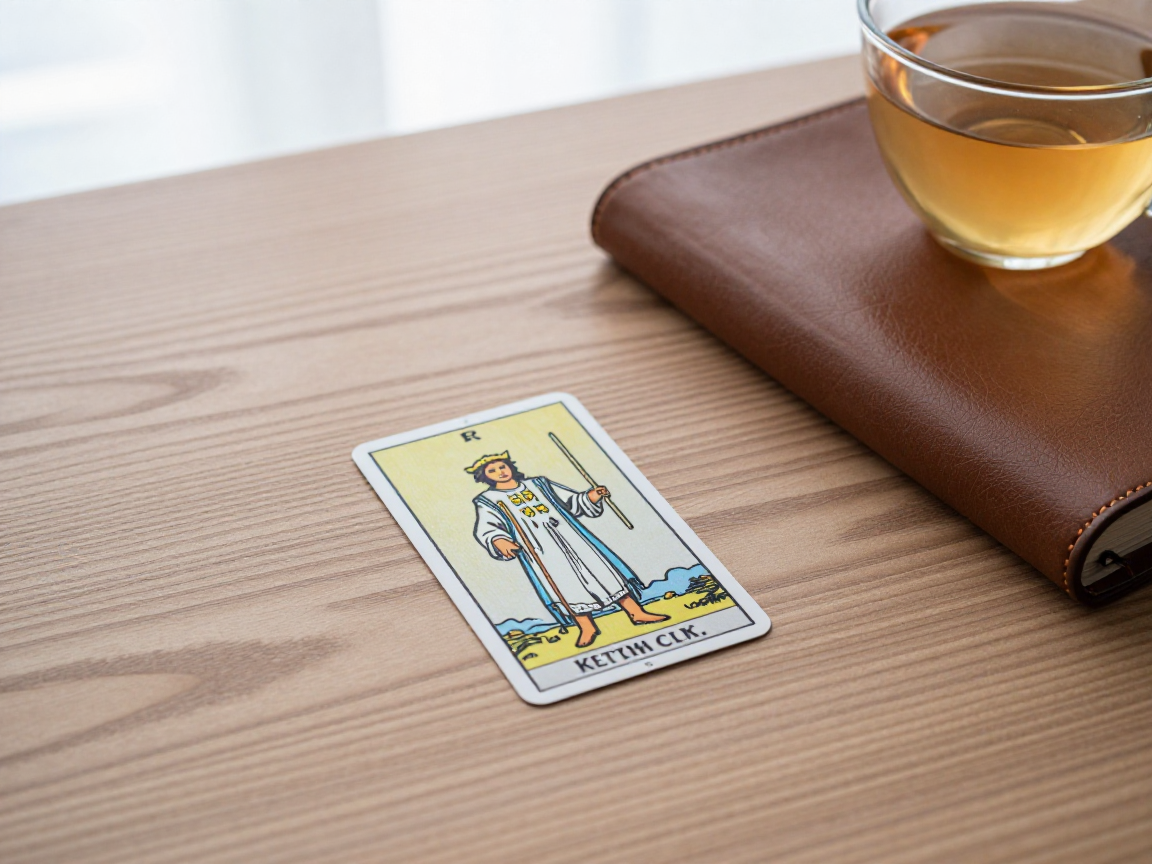
For decades, the popular image of tarot has been shrouded in mystery, neon signs, and the promise of predicting a future that has not yet arrived. We see the dramatic reveal of the Death card in a movie and assume it heralds an ending we cannot escape. However, for a growing number of people, the cards are shifting from a tool of divination to something far more grounding and practical. When we begin using tarot as a tool for reflection, we stop asking what will happen to us and start asking who we are becoming in the face of what is happening.
At its core, a tarot deck is a collection of 78 psychological archetypes. It is a visual language that represents the full spectrum of the human experience - from the joyful heights of celebration to the quiet, often painful depths of grief and transition. By engaging with these images, we create a bridge between our conscious thoughts and the subconscious patterns that often run our lives behind the scenes. This practice does not require a belief in the supernatural; it only requires a willingness to look closely at the stories we tell ourselves.
The Shift from Divination to Self-Inquiry
The traditional approach to tarot often places the power outside of the individual. You ask the cards a question, and they give you an answer. But when you treat tarot as a tool for reflection, the power dynamic changes. The cards no longer provide answers; they provide questions. They act as a mirror, reflecting back aspects of your psyche that you might be avoiding or overlooking.
This shift is essential for anyone seeking personal growth. Instead of asking "Will I get the promotion?", a reflective approach asks "What qualities do I need to embody to be ready for more responsibility?" or "What fears are currently holding me back from advocating for myself?". This turns a passive experience into an active one. It transforms the tarot from a psychic parlor trick into a rigorous exercise in self-awareness.
Psychologically, this works through a process known as projection. When we look at an ambiguous or symbolic image, our brains naturally try to find meaning. The things we notice first - the lone figure in the Five of Cups, the sharp edges of the Swords, or the abundance of the Nine of Pentacles - are often reflections of our current emotional state or preoccupations. In this way, tarot as a tool for reflection functions much like a Rorschach test, helping us articulate feelings that were previously wordless.
The Power of Archetypes and Visual Storytelling
To understand why tarot as a tool for reflection is so effective, we must look at the power of the archetypes within the deck. Carl Jung, the Swiss psychiatrist, identified archetypes as universal, inborn models of people, behaviors, and personalities that play a role in influencing human behavior. The tarot is essentially a map of these archetypal energies.
For example, the archetype of The Empress represents nurturing, abundance, and the creative force. When this card appears in a reflective session, it isn't necessarily saying you will become a parent or start a garden. Instead, it asks you to reflect on your relationship with self-care and creativity. Are you allowing yourself to flourish, or are you operating from a place of scarcity?
Because these images are so rich and storied, they bypass the logical, analytical mind that often keeps us stuck in repetitive loops. When we try to "think" our way through a problem, we usually rely on the same mental pathways we have always used. Tarot disrupts those pathways. It introduces a new visual element that forces the brain to make fresh associations, leading to the "aha!" moments that characterize deep reflection.
A Practical Framework: The 4-Step Reflective Session
Using tarot as a tool for reflection is most effective when it is structured. Without a framework, it is easy to get lost in the imagery or simply project what you want to see. Follow this four-step process to deepen your practice:
- The Centering Silence
Before touching the cards, take three deep breaths. Clear your mind of the immediate stressors of the day. The goal is to move from a state of "doing" to a state of "observing". Set an intention for the session, such as "I am open to seeing a truth I have been ignoring".
- The Intuitive Pull
Shuffle the cards and draw one. Do not reach for a guidebook immediately. Look at the card for at least two minutes. Notice the colors, the direction the figures are facing, and the overall mood of the image. Ask yourself: "What is the first emotion I feel when I look at this?".
- The Bridge of Inquiry
Connect the card's imagery to your current life. If you pulled the Eight of Swords - showing a bound and blindfolded figure surrounded by blades - ask yourself where you feel trapped in your own life. More importantly, look at the feet of the figure; they are usually unbound. Ask: "What is the small step toward freedom I am currently ignoring?".
- The Journaled Integration
Reflection is only as good as the action it inspires. Write down your findings. Writing forces a higher level of clarity than thinking alone. Use the keyword of the card as a jumping-off point to explore your inner landscape.
Using Tarot to Process Challenging Emotions
One of the most profound ways to use tarot as a tool for reflection is in the navigation of difficult emotional terrain. We live in a culture that often encourages us to bypass "negative" emotions like anger, jealousy, or sadness. The tarot, however, does not shy away from these states. The Three of Swords (heartbreak), the Five of Pentacles (struggle), and the Ten of Swords (rock bottom) validate the reality of suffering.
When we pull a "dark" card, our first instinct might be to put it back and draw again. But in a reflective practice, these cards are the most valuable. They give us permission to sit with our discomfort. By looking at a card that represents grief, we can begin to externalize our own pain. It becomes easier to say "I feel like the figure in this card" than to say "I am broken". This slight distance allows us to examine our emotions without being entirely consumed by them.
10 Reflection Prompts for Daily Practice
If you are new to using tarot as a tool for reflection, it can be helpful to have specific questions to guide your pulls. Instead of asking general questions about the future, try these introspective prompts:
- What part of myself am I currently hiding from others?
- What is the primary source of tension in my body today, and what is it trying to tell me?
- Which habit is no longer serving the person I am becoming?
- Where am I giving away my power in my current relationships?
- What would my life look like if I stopped acting out of fear for one week?
- What does "rest" actually look like for me right now?
- What is a creative impulse I have been suppressing?
- How can I be more kind to myself during this specific transition?
- What am I holding onto that is actually already gone?
- What is the most honest thing I can say about my current situation?
Avoiding the Pitfalls of Reflective Tarot
While using tarot as a tool for reflection is immensely powerful, there are a few common mistakes that can hinder your progress. The first is "over-shuffling". This happens when we don't like the answer a card provides, so we keep drawing more cards until we find one that feels better. This is not reflection; it is seeking validation. If a card makes you uncomfortable, that is exactly where the reflection needs to happen.
Another pitfall is over-reliance on guidebooks. While learning the traditional meanings is helpful, the most important meaning is the one that resonates with your lived experience. If the book says a card means "financial success" but the image makes you feel lonely, explore the loneliness. Your intuition is the primary narrator; the guidebook is just a reference.
Finally, avoid using the cards when you are in a state of high emotional crisis. Reflection requires a degree of equanimity. If you are panicking, you won't be able to see the mirror clearly; you will only see your own fear reflected back in distorted ways. Wait until you have returned to a regulated state before picking up the deck.
Integrating the Practice into Your Life
The beauty of tarot as a tool for reflection is its versatility. It can be a five-minute morning ritual or a deep, hour-long weekend study. It requires no special equipment other than a deck that speaks to you visually and a notebook to record your thoughts.
Over time, you will find that the cards act as a chronological record of your internal growth. Looking back through a journal and seeing how your interpretation of The Moon changed from fear to curiosity can be a powerful testament to your resilience. You start to see that the cards haven't changed, but you have.
Ultimately, tarot as a tool for reflection teaches us that we are the experts on our own lives. The cards are simply a catalyst for the wisdom that already exists within us. By taking the time to stop, look, and listen to what the archetypes stir in our souls, we move through the world with more intention, more honesty, and a deeper sense of peace with the unknown.