More Than Muscle: How Strength Training for Women Rewires Your Metabolism and Future-Proofs Your Body
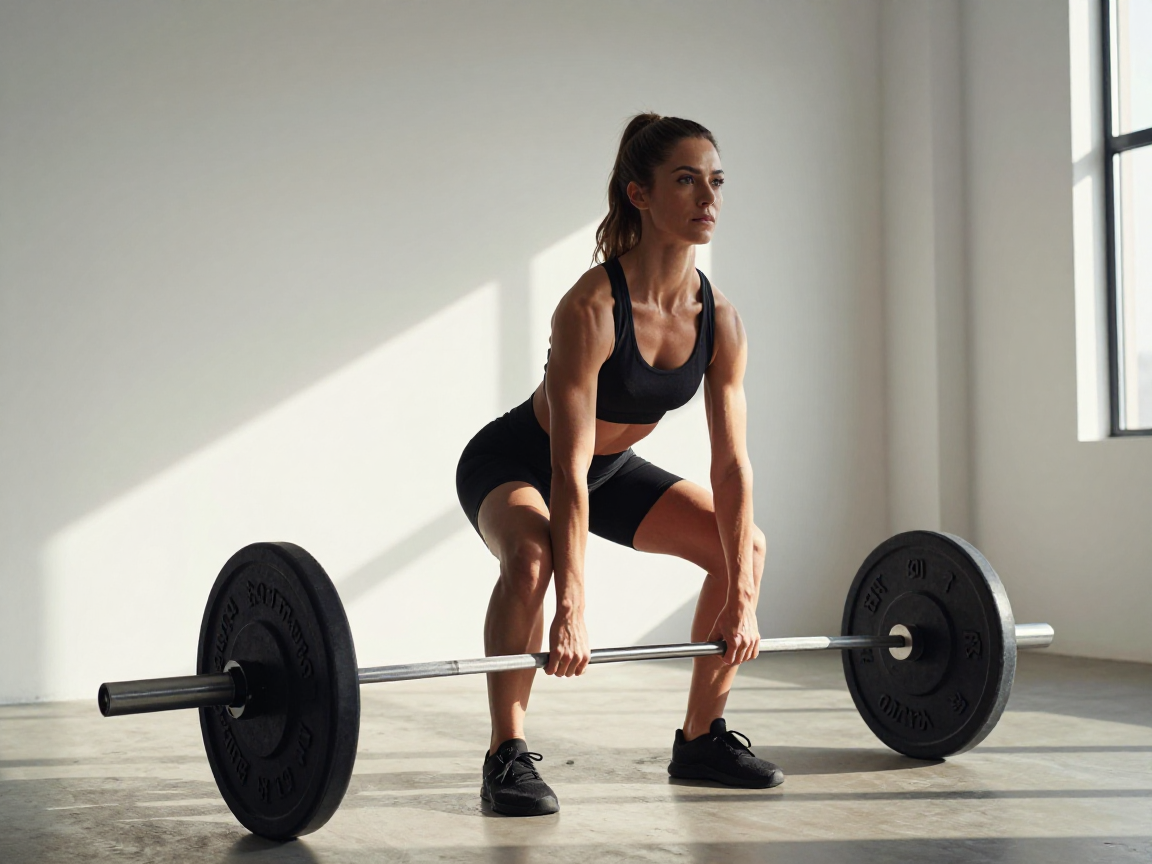
For decades, the fitness industry sold women a very specific, very limited dream: the goal of becoming smaller. We were conditioned to believe that the elliptical trainer was our primary ally and that the weight room was a forbidden zone reserved for those looking to "bulk up." This narrative didn't just limit our physical potential; it ignored the profound biological necessity of resistance. Today, the conversation is shifting. We are moving away from the era of aesthetic-only goals and into an era of functional power. Strength training for women is no longer a niche hobby for athletes; it is the most critical intervention available for metabolic health, skeletal integrity, and emotional resilience.
When we talk about strength training for women, we are talking about a fundamental shift in how the body processes energy, manages hormones, and interacts with the physical world. It is the difference between a body that feels fragile and a body that feels like a fortress. Whether you are navigating the high-energy demands of your thirties or the hormonal shifts of perimenopause and beyond, the barbell offers a level of stability that no amount of steady-state cardio can match. It is time to dismantle the myths and look at the hard science of why picking up heavy things is the most feminine, empowering, and protective act you can perform for your health.
The Metabolic Engine: Why Muscle is Your Greatest Asset
To understand the true value of strength training for women, we have to look past the immediate calorie burn of a workout. While a vigorous run might burn more calories in the moment, strength training changes the way your body burns energy for the other 23 hours of the day. Muscle tissue is metabolically active; it requires a constant supply of energy to maintain itself. By increasing your lean muscle mass, you are effectively increasing your Basal Metabolic Rate (BMR). This means you are burning more energy while you sleep, while you work, and while you rest.
This metabolic shift is particularly vital for women due to the way our hormones influence fat storage and muscle retention. As we age, especially as we approach the menopausal transition, our bodies naturally tend to lose muscle mass—a process known as sarcopenia. When muscle mass drops, the metabolism slows down, often leading to the stubborn weight gain associated with middle age. Strength training for women acts as a direct counter-offensive to this process. By signaling to the body that muscle is necessary for survival, you force your physiology to prioritize muscle retention and fat utilization.
Furthermore, resistance training significantly improves insulin sensitivity. Muscles are the primary site for glucose disposal in the body. When you lift weights, your muscles become more efficient at pulling sugar from the bloodstream to use as fuel. For women dealing with polycystic ovary syndrome (PCOS) or those at risk for type 2 diabetes, strength training is a non-pharmacological tool that can stabilize blood sugar levels and reduce systemic inflammation. It is not just about looking "toned"; it is about creating a metabolic environment that resists disease.\n\n## The Myth of Bulking and the Reality of Hypertrophy
The most persistent barrier to entry for many remains the fear of "getting too big." It is a myth that has been reinforced by decades of misleading marketing. The reality is that building massive, bodybuilder-style muscle requires a perfect storm of high testosterone levels, a massive caloric surplus, and a hyper-specific training volume that the average person simply does not reach. Women have roughly one-fifteenth the amount of testosterone that men do, making the "accidental bulk" physiologically impossible for the vast majority of the female population.
What women actually experience when they engage in consistent strength training for women is a process of body recomposition. Muscle is much denser and more compact than fat. If you replace five pounds of fat with five pounds of muscle, your weight on the scale remains unchanged, but your physical dimensions shrink. Your clothes fit differently, your posture improves, and your limbs feel firmer. This is what the industry often calls "toning," but in scientific terms, it is simply the visible result of increased muscle density and decreased body fat. Strength training doesn't make you larger; it makes you more efficient and powerful in a smaller package.
A 5-Step Action Plan to Start Your Strength Journey
Transitioning from the cardio deck to the weight floor can be intimidating. To ensure longevity and avoid the common pitfalls of burnout or injury, follow this structured framework for implementing strength training for women into your life.
- Focus on the Fundamental Human Movements
You do not need fifty different machines to get strong. Most effective programs are built around five basic patterns: the Squat (sitting down and standing up), the Hinge (bending at the waist, like a deadlift), the Push (overhead press or push-up), the Pull (rows or pull-ups), and the Carry (walking with weight). Mastering these five movements provides a total-body foundation that translates to everyday life.
- The Rule of Form First
Strength is a skill that must be practiced. Before adding weight, ensure your mechanics are sound. Use a mirror or film your sets to check for common errors like rounded backs or collapsing knees. Starting with bodyweight or light resistance allows your nervous system to map the movement patterns correctly, which prevents injury as the loads get heavier.
- Implement Progressive Overload
The body only changes when it is forced to adapt to a new stressor. If you lift the same five-pound dumbbells for six months, your body will stop changing after the first two weeks. Progressive overload means gradually increasing the challenge. This can be done by adding weight, performing more repetitions, decreasing rest time, or improving the range of motion. Aim for a 1% to 5% improvement every week.
- Track Your Wins Beyond the Scale
The scale is a poor tool for measuring the success of a strength program. Instead, keep a training log. Record how much you lifted and how it felt. Celebrate "non-scale victories" like carrying all the groceries in one trip, having more energy in the afternoon, or finally being able to do a full push-up. These are the true indicators of progress.
- Prioritize Protein and Recovery
You do not get stronger in the gym; you get stronger while you recover. Muscle repair requires amino acids, which come from protein. Aim for roughly 0.8 to 1 gram of protein per pound of your ideal body weight. Additionally, prioritize 7 to 9 hours of sleep. Without adequate recovery, strength training for women can become a source of chronic stress rather than a source of health.
Skeletal Insurance: Protecting Bone Density and Joint Health
One of the most compelling reasons for strength training for women is its impact on the skeletal system. Women are disproportionately affected by osteoporosis, a condition where bones become brittle and fragile. This is largely due to the drop in estrogen during menopause, as estrogen plays a key role in maintaining bone minerals.
Wolff’s Law states that bone in a healthy person or animal will adapt to the loads under which it is placed. When you perform resistance training, the tendons pull on the bones, creating a mechanical stress that signals the body to produce more bone cells (osteoblasts). This increases bone mineral density, making the skeleton more resistant to fractures. Cardio exercises like swimming or cycling, while great for the heart, do not provide the necessary mechanical loading to strengthen the bones. For a woman, a heavy squat is essentially an insurance policy against a broken hip in later life.
Furthermore, strength training is the ultimate solution for joint longevity. Many women avoid lifting because they have "bad knees" or a "bad back." However, in most cases, joint pain is the result of the muscles around the joint being too weak to support it. By strengthening the quadriceps, hamstrings, and glutes, you take the pressure off the knee joint. By strengthening the core and the posterior chain, you provide a natural brace for the spine. Strength training doesn't wear out your joints; it builds the support system that saves them.
The Psychological Shift: Building the "Resilient Mind"
Perhaps the most overlooked benefit of strength training for women is the profound psychological transformation. There is a specific kind of confidence that comes from physical capability. When you realize you can move a weight that you previously thought was impossible, your perception of what else is "impossible" begins to change. This is the concept of self-efficacy—the belief in one’s own ability to succeed in specific situations.
The Mental Edge of Resistance Training
- Shift from Aesthetic to Capability: Training for strength moves the focus away from how the body looks and toward what the body can do. This shift is a powerful tool for healing body dysmorphia and improving self-esteem.
- Stress Inoculation: Lifting weights is a form of controlled stress. By exposing yourself to the physical stress of a heavy set and learning to breathe through it, you train your nervous system to handle external life stressors with more composure.
- Cognitive Longevity: Emerging research suggests that resistance training stimulates the production of BDNF (Brain-Derived Neurotrophic Factor), a protein that supports the survival of existing neurons and encourages the growth of new ones. Strength training for women is effectively "brain training."
Common Pitfalls to Avoid
To make strength training for women a lifelong habit, avoid these frequent mistakes:
- The High-Rep Trap: Many women stay in the 20+ rep range with very light weights. While endurance has its place, true strength and metabolic change happen in the 5 to 12 rep range with weights that actually feel challenging. If you finish a set feeling like you could have done 10 more, it's time to go heavier.
- Ignoring the Mind-Muscle Connection: Don't just swing the weights. Focus on the muscle you are trying to work. If you are doing a lat pulldown, feel your back muscles engaging rather than just pulling with your biceps.
- Comparing Your Journey: Social media is full of people lifting incredible weights. Remember that they are likely years into their journey. Your only competition is the version of you that walked into the gym last week.
- Neglecting Consistency: Doing one perfect workout a month is less effective than doing three mediocre workouts a week. Show up, put in the work, and let the cumulative effect of time do the heavy lifting.
Conclusion: Reclaiming Your Power
Strength training for women is far more than a fitness trend; it is a fundamental reclamation of physical autonomy. It is about acknowledging that our bodies were designed to be capable, robust, and resilient. In a world that often asks women to shrink, choosing to become stronger is a radical act of self-care.
The benefits—from a turbocharged metabolism and iron-clad bones to a newfound sense of mental grit—are not just for the elite athlete. They are for the mother who wants more energy to play with her children, the professional who wants more focus at her desk, and the woman who wants to ensure her independence deep into her senior years. The barbell doesn't care about your age or your starting point. It only cares about the effort you bring to the rack. Start today, start small, and discover the incredible power that has been waiting inside you all along.