The Invisible Bridge: How Integrating Spirituality and PTSD Recovery Helps You Reclaim Your Soul
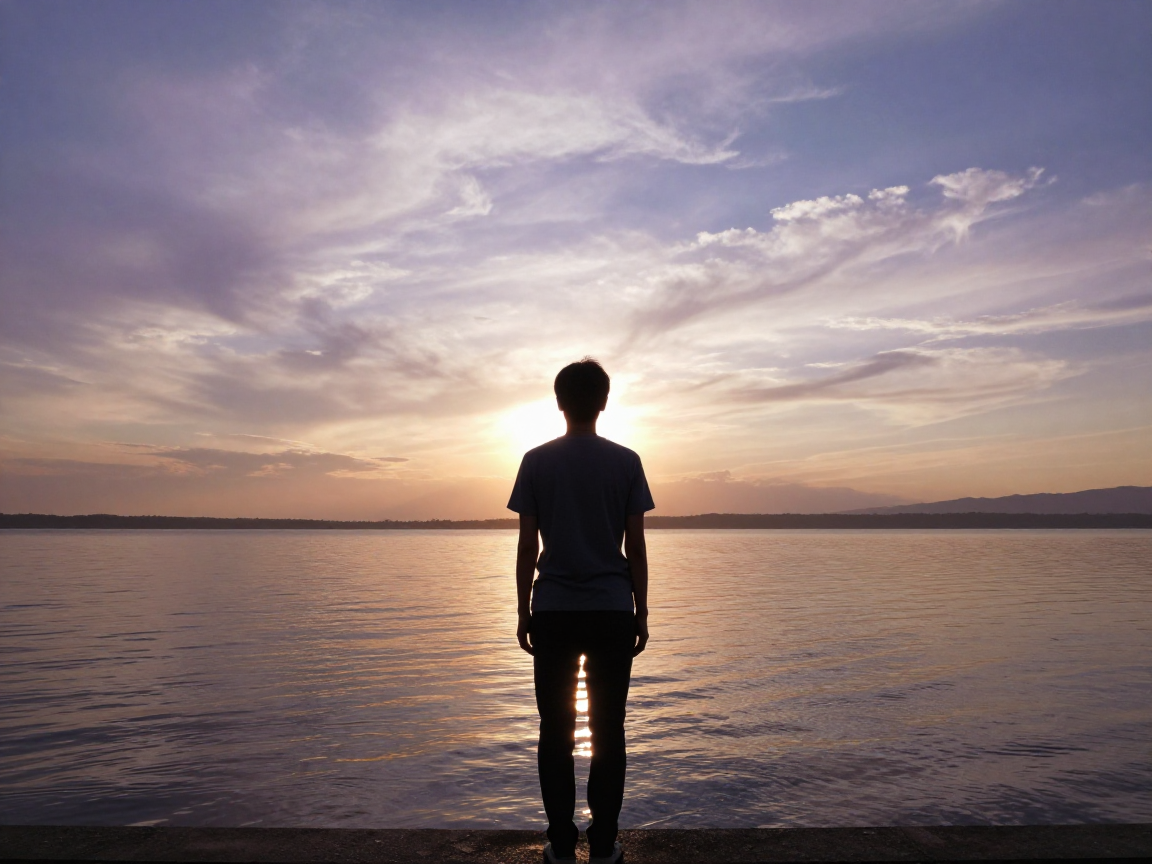
When a person experiences trauma, the impact is often described in clinical terms like hypervigilance, flashbacks, and emotional numbing. While these psychological markers are essential for diagnosis, they frequently fail to capture the profound sense of existential displacement that follows a life-altering event. For many survivors, trauma does not just affect the brain—it feels like a fracture of the soul itself. This is where the intersection of spirituality and PTSD becomes a vital, though often overlooked, bridge to long-term recovery.
Traditional clinical approaches focus heavily on symptom management and cognitive restructuring, which are necessary foundations for safety. However, healing from Post-Traumatic Stress Disorder often requires more than just the absence of symptoms; it requires the presence of meaning. Spirituality, defined broadly as a search for the sacred or a connection to something larger than oneself, provides a framework for rebuilding a world that has been shattered by violence, loss, or betrayal. By exploring spirituality and PTSD together, we can move beyond mere survival and toward a state of post-traumatic growth.
The Existential Impact: Why Trauma Is a Spiritual Crisis
Psychologists often talk about the "assumptive world"—the set of core beliefs we hold about the universe. Most people move through life assuming that the world is generally safe, that people are mostly good, and that there is a predictable logic to cause and effect. Trauma obliterates these assumptions in a single moment. When the world is revealed to be unpredictable or cruel, the survivor is left standing in the ruins of their former belief system. This is why the conversation around spirituality and PTSD is so crucial; it addresses the debris left behind when one's worldview is demolished.
This collapse is frequently referred to as "soul loss" or a crisis of faith. It isn't necessarily about losing belief in a specific deity, but rather losing faith in the coherence of life itself. When you are living with PTSD, the past is constantly intruding upon the present, making it impossible to envision a future. Spirituality acts as a grounding force, offering a narrative that accommodates suffering without letting that suffering become the final word. It provides a way to integrate the "unthinkable" into a larger, more complex understanding of the human experience.
Moral Injury: The Spiritual Scars of Trauma
A specific aspect of the relationship between spirituality and PTSD that has gained attention in recent years is "moral injury." This occurs when an individual witnesses or participates in acts that deeply transgress their personal moral code or expectations of how the world should work. While PTSD is rooted in fear and the threat to physical safety, moral injury is rooted in guilt, shame, and a sense of spiritual betrayal.
For many, the clinical label of PTSD doesn't fully cover the weight of moral injury. Talk therapy can help process the events, but the feeling of being "irredeemable" often requires a spiritual intervention. This is where spiritual practices like confession, atonement, and radical self-compassion come into play. By engaging with spirituality and PTSD through the lens of moral healing, survivors can begin to forgive themselves and find their way back to a community. Healing from moral injury involves acknowledging that while you may have been part of something dark, your ability to feel pain over it is proof of your inherent goodness.
The Science of Spirituality and PTSD: What Research Reveals
While the concept of a soul might feel abstract, the benefits of spiritual engagement in trauma recovery are well-documented in peer-reviewed research. Studies consistently show that individuals who possess a strong sense of spiritual well-being tend to have lower levels of PTSD symptoms and a higher capacity for resilience. This is not about adhering to a specific religion, but rather about the internal sense of connection and meaning that spirituality provides.
Biologically, spiritual practices can have a direct impact on the nervous system. PTSD keeps the body in a state of high alert, dominated by the sympathetic nervous system (fight or flight). Practices common in spiritual traditions—such as repetitive chanting, silent meditation, or rhythmic breathing—activate the parasympathetic nervous system. This tells the brain that it is safe to rest. Over time, these practices can help retrain the brain's "smoke detector," the amygdala, reducing the intensity of triggers.
Furthermore, the concept of Post-Traumatic Growth (PTG) suggests that people can experience positive psychological change as a result of struggling with highly challenging life circumstances. Researchers have found that spirituality is one of the strongest predictors of PTG. When survivors lean into the questions of spirituality and PTSD, they often develop a deeper appreciation for life, a more robust inner strength, and a more compassionate relationship with others.
A Practical Framework: 5 Spiritual Pillars for Healing
If you are navigating the complexities of trauma, you do not need to be religious to benefit from a spiritual approach to healing. Spirituality is a personal journey of reconnection. Here is a five-pillar framework for integrating spirituality into your recovery process:
- Connection Over Isolation: Trauma thrives in the dark and feeds on isolation. Spirituality encourages us to find connection—whether it is to a higher power, the natural world, or a community of like-minded seekers. This connection serves as an anchor, reminding you that you are not an island.
- Meaning-Making: Healing requires rewriting the narrative of your life. Instead of the trauma being the "end" of your story, spiritual reflection helps you see it as a harrowing chapter that led to a new level of depth and understanding. This is not about justifying the trauma, but about reclaiming your power to define what it means.
- Sacred Ritual: PTSD often involves a feeling of losing control. Rituals—small, intentional acts like lighting a candle, walking mindfully in the woods, or a daily morning invocation—provide a sense of agency and rhythm. They mark the passage of time and create "sacred space" where the trauma cannot reach you.
- Radical Compassion: One of the hardest parts of PTSD is the self-loathing or shame that follows. Spiritual traditions emphasize that we are more than our worst experiences. Practicing self-compassion is a spiritual discipline that helps soften the "inner critic" and allows for the possibility of forgiveness.
- Surrender and Release: This is perhaps the most difficult pillar. It involves acknowledging that we cannot change the past and that we cannot control every outcome in the future. Surrender in a spiritual sense is not about giving up; it is about letting go of the heavy burden of "what if" and "if only."
Moving Through the Dark Night: Common Challenges
It is important to acknowledge that the relationship between spirituality and PTSD is not always linear or easy. For some, trauma leads to a "spiritual struggle" where they feel abandoned by their faith or angry at the universe. This is a natural part of the process and should be met with honesty rather than suppressed. Authenticity is a hallmark of true spiritual growth. If you feel angry at God or the universe, that anger is a valid expression of your spiritual state.
One significant risk in this journey is "spiritual bypassing." This occurs when someone uses spiritual ideas to avoid facing the painful, messy emotions of trauma. Statements like "everything happens for a reason" or "just have more faith" can be deeply harmful to a survivor. Real spiritual healing does not bypass the pain—it goes right through the center of it. It is about being present with the "dark night of the soul" until the light begins to return on its own. Integrating spirituality and PTSD recovery means honoring the pain as much as the peace.
Additionally, some survivors may find certain religious environments triggering, especially if their trauma was associated with religious institutions. In these cases, spirituality and PTSD recovery might involve moving away from organized religion and toward a more personal, earth-based, or secular spiritual practice that feels safe and affirming. Your spiritual path must be a sanctuary, not another source of stress.
A Daily Spiritual Toolkit for Calm and Grounding
Integrating spirituality into your daily life can start with small, manageable steps. These practices are designed to help ground you when the symptoms of PTSD feel overwhelming:
- Breath as a Sacred Anchor: Treat your breath as a gift. When you feel a flashback or anxiety rising, focus on the "spirit" of the breath (the word spirit comes from the Latin spiritus, meaning breath). Try inhaling for four counts, holding for four, and exhaling for eight.
- Nature Immersion: Spend ten minutes outside without your phone. Observe the persistence of the trees or the flow of water. Nature does not judge your trauma; it simply exists with you. This can foster a profound sense of "belonging" to the world again.
- Gratitude for the Smallest Things: In the depths of PTSD, finding big things to be grateful for is hard. Look for the tiny things—the warmth of a cup of tea, the color of the sky, the fact that you survived another day. This shifts the brain's focus from threat-detection to appreciation.
- Mindfulness Presence: Practice being here, now. Remind yourself: "In this moment, I am safe. In this moment, I am breathing. In this moment, I am okay."
- Evening Release: Before bed, spend a few minutes mentally releasing the day's burdens. Visualize the stress of the day leaving your body like smoke, leaving room for rest and restoration.
Reclaiming the Future
Healing from trauma is rarely about returning to the person you were before the event happened. That person is gone, and the grief for that loss is real. However, the path of spirituality and PTSD recovery suggests that something new, and perhaps even more resilient, can be born from the ashes. This is the essence of post-traumatic growth—the realization that while the fire was devastating, it also cleared the way for new growth that would not have been possible otherwise.
By attending to the spiritual dimension of your health, you are acknowledging that you are more than a collection of symptoms or a brain with a "glitchy" alarm system. You are a human being with an inherent right to peace, meaning, and connection. Spirituality provides the light that helps you navigate the dark forest of trauma until you find the clearing. It reminds you that while your story was interrupted, you are the one who gets to write the final chapters. The bridge between spirituality and PTSD is one of hope, built stone by stone, until you finally feel at home in your own soul again.