Beyond Talking: How Somatic Breathwork Releases the Trauma Your Mind Can't Reach
Most people who have spent years in traditional talk therapy eventually encounter a frustrating plateau. You can describe your problems with clinical precision, you understand the origins of your triggers, and you can map out your childhood wounds with a colored highlighter. Yet, despite this intellectual clarity, your body still reacts as if the threat is present. Your chest tightens in meetings, your breath turns shallow when you are stressed, and your nervous system remains stuck in a loop of hyper-vigilance or exhaustion. This is the gap where cognitive understanding fails and where the body must take the lead.
Somatic breathwork is an experiential practice that bridges this gap. Unlike standard meditation or relaxation breathing, it is designed to bypass the analytical mind and communicate directly with the autonomic nervous system. By using specific breathing patterns to alter our internal chemistry, we can access the layers of the subconscious that are stored not in memories or words, but in the tissues, muscles, and fascia of the body. It is a process of unearthing what has been buried, allowing the body to complete the stress responses that were once interrupted by trauma or overwhelm.
The Science of the Stuck Body
To understand why somatic breathwork is so effective, we have to look at how the brain processes stress. When we experience a traumatic event or chronic stress, our nervous system enters a state of fight, flight, or freeze. In a natural, wild setting, an animal that survives a predator's chase will physically shake off the adrenaline once the danger has passed. Humans, however, have been socialized to suppress these physical discharges. We sit still in our cars after a near - accident; we hold our breath during a tense meeting; we swallow our tears to stay professional.
This suppressed energy does not simply vanish. According to the principles of somatic experiencing, this "incomplete" biological response stays trapped in the body. Over time, this cumulative stress creates a state of chronic dysregulation. The prefrontal cortex - the part of the brain responsible for logic - can only do so much to calm a frantic amygdala. Somatic breathwork acts as a "bottom - up" approach. Instead of trying to think our way into feeling better, we use the breath to change the physiological state of the body, which then signals to the brain that it is finally safe to let go.
What Sets Somatic Breathwork Apart?
It is common to confuse somatic breathwork with pranayama or general mindfulness breathing. While those practices are excellent for daily maintenance and calming the mind, somatic breathwork is often more intensive and cathartic. It typically involves a continuous, rhythmic breathing pattern - often through the mouth - that creates a controlled state of hyperoxia or hypocapnia.
This shift in blood gases slightly inhibits the "Default Mode Network" in the brain. This is the part of the brain associated with the ego, self - consciousness, and rumination. When the Default Mode Network goes quiet, the barriers between the conscious and subconscious mind thin. This allows long - buried emotions, such as grief, anger, or even joy, to surface without the usual mental filtering. It is not uncommon for a practitioner to feel a sudden wave of sadness or a surge of energy that has no immediate "story" attached to it. In the world of somatic work, we call this a "contentless release". You are not necessarily processing a specific memory; you are processing the physiological weight of the experience itself.
The Benefits of a Body - First Approach
By engaging in regular somatic breathwork, practitioners often report a sense of profound lightness and clarity. Because the practice focuses on the nervous system, the benefits are both psychological and physical.
- Nervous System Regulation: It helps move the body out of a chronic sympathetic state (fight/flight) and back into a ventral vagal state (social engagement and safety).
- Emotional Integration: It provides a safe container to feel emotions that were previously too overwhelming to process.
- Physical Tension Relief: Chronic pain often has a psychosomatic component. As the breath opens up the diaphragm and chest, physical armor often begins to soften.
- Increased Intuition: When we are no longer stuck in a survival loop, we can hear our body's internal signals more clearly.
- Breakthroughs in Creativity: By quieting the inner critic, many find that new ideas and perspectives flow more freely after a session.
A 5 - Step Framework for a Solo Somatic Breathwork Practice
While working with a certified facilitator is highly recommended for deep trauma work, you can begin to explore the somatic landscape on your own with a gentler approach. The goal here is not to force a massive catharsis, but to build a relationship with your body's sensations.
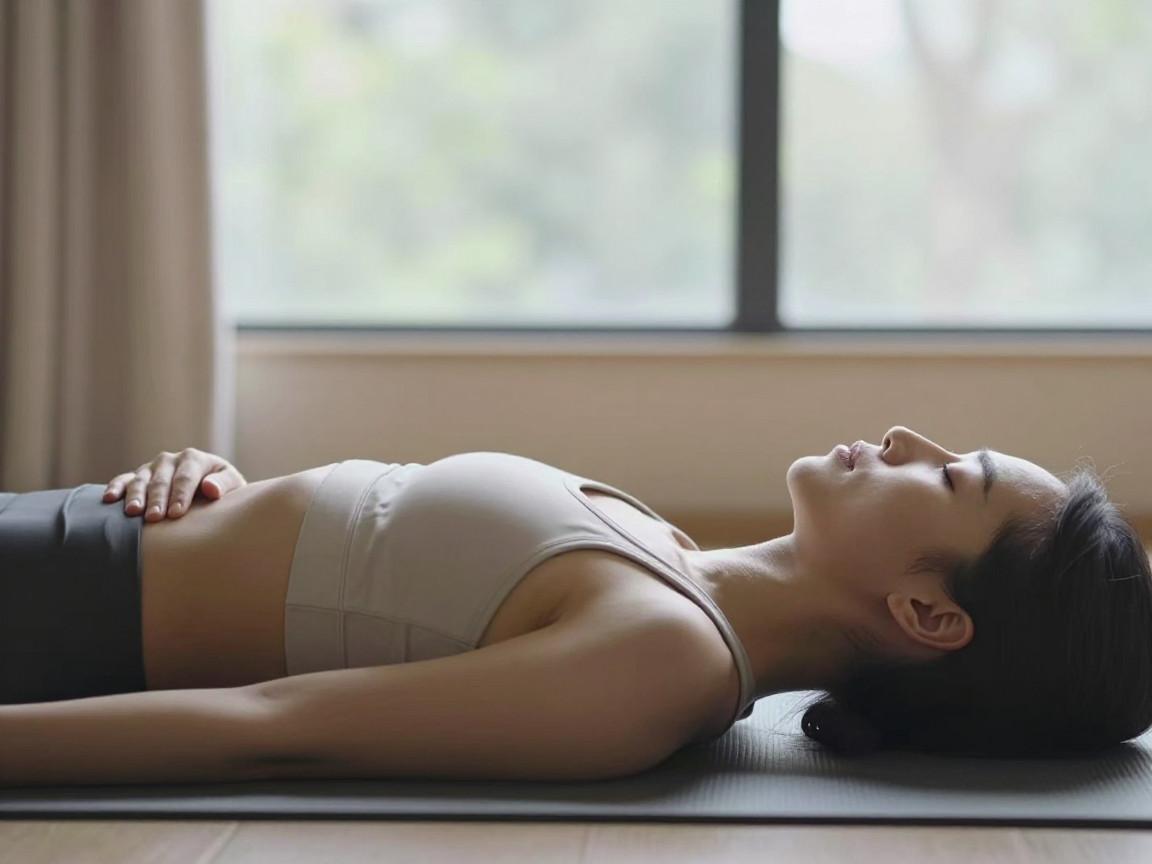
- Set the Container: Find a space where you will not be interrupted for at least 20 to 30 minutes. Lie flat on your back without a pillow to keep your airway open. Place one hand on your heart and one on your belly to establish a physical connection with yourself.
- Establish the Conscious Connected Breath: Breathe deeply into the belly, then up into the chest, and let the exhale go like a soft sigh. Do not pause at the top or bottom of the breath. The inhale should be active and full, while the exhale should be a passive release. This creates a circular, wave - like motion.
- Scan for Sensation: As you continue the rhythm, bring your awareness away from your thoughts and into your physical body. Notice where the breath feels "stuck". Is there a tightness in your throat? A knot in your stomach? Do not try to fix it. Simply breathe "into" that sensation and stay curious.
- Allow the Expression: If your body feels the need to move, let it move. If you feel the need to make a sound, let it out. This is the "somatic" part of the work. Your body might shake, your hands might tingle, or you might feel temperature shifts. As long as you feel safe, stay with the breath and let the energy move.
- The Integration Phase: After 15 to 20 minutes of active breathing, return to your normal, effortless breath. This is the most important part. Lie in stillness for at least 10 minutes. This is when the nervous system "recalibrates" and integrates the shifts you just made.
Understanding the Physicality of Release
During a somatic breathwork session, you may encounter a phenomenon known as "tetany" - a tightening of the hands or mouth caused by the change in CO2 levels. While it can feel strange or even alarming, it is a common physiological response. In a somatic context, this is often seen as the body's way of showing where we are "holding on".
Emotional releases can also take many forms. You might find yourself laughing uncontrollably, weeping without knowing why, or feeling a deep sense of anger. The key is to remember that these are just "energetic clouds" passing through. You are the sky, and the emotions are the weather. By allowing the weather to happen without judgment, you prevent the emotions from becoming "stuck" all over again.
Common Signs of a Successful Nervous System Shift
How do you know if the somatic breathwork is actually working? It is not always about the intensity of the session. Sometimes the most profound shifts are the quietest.
- Spontaneous Sighing: Throughout the day, you may find your body taking deep, natural sighs of relief.
- Better Digestion: The nervous system and the gut are intrinsically linked. A calmer system often leads to better digestive function.
- Improved Sleep: As the body releases its "survival" energy, the transition into deep sleep becomes easier.
- The "Pause": You might notice a longer gap between a stressor and your reaction. Instead of snapping at a partner or friend, you find you have the space to breathe and choose a different response.
Integration: The Final Step in the Journey
Somatic work does not end when you get up from the mat. In many ways, the real work begins when you step back into your life. Integration is the process of taking the insights and shifts from your breathwork session and weaving them into your daily reality.
After a session, it is helpful to drink plenty of water, spend time in nature, or journal about any sensations you experienced. Avoid jumping immediately onto social media or into a high - stress environment. Give your nervous system the grace to settle into its new, more regulated state.
Somatic breathwork is an invitation to stop treating your body like a vehicle for your head and start treating it like the intelligent, living system it is. By returning to the breath, you aren't just "relaxing"; you are reclaiming the parts of yourself that were lost to stress and time. You are teaching your body that the war is over and that it is finally safe to come home.