Why Your Body Holds onto Stress and How Somatic Breathwork Exercises Can Release It
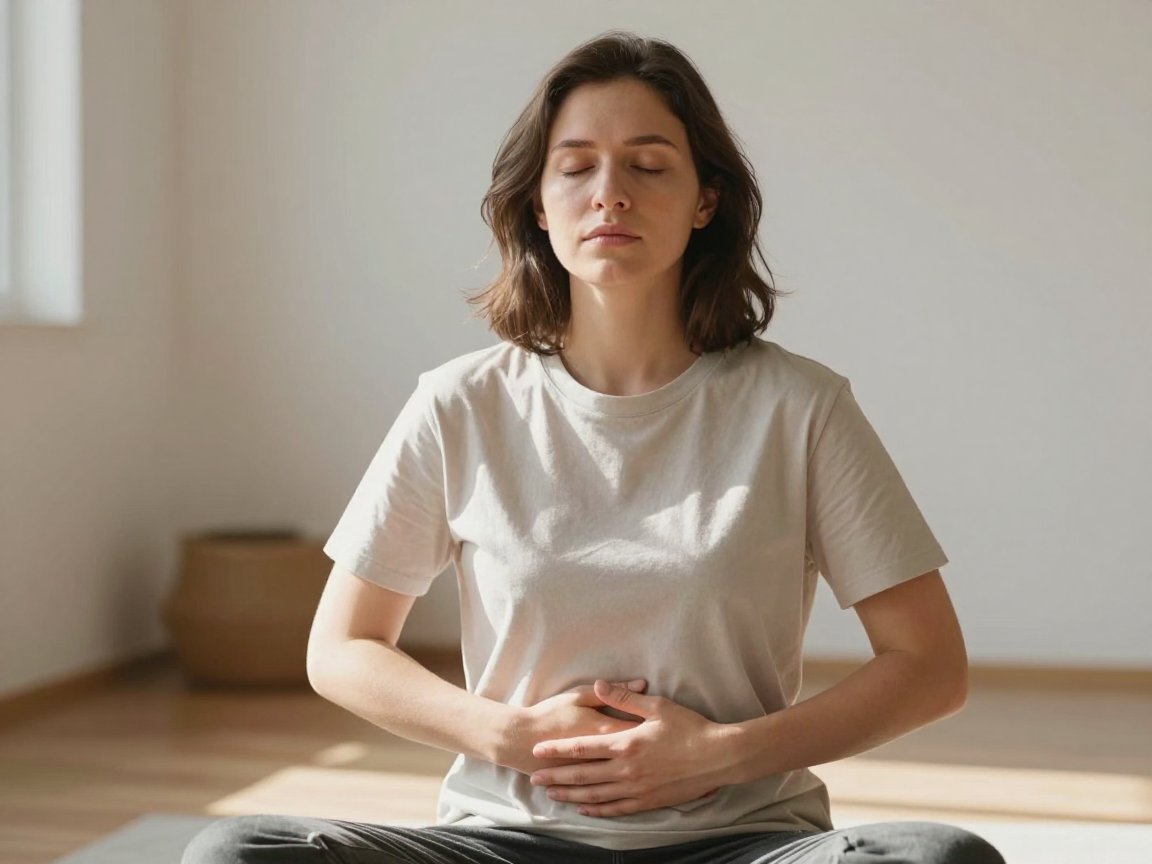
Most of us have experienced a moment where our minds feel relatively calm, yet our bodies remain in a state of high alert. Perhaps your heart is racing for no apparent reason, your shoulders are glued to your ears, or there is a persistent knot in your stomach that refuses to dissolve. We are often told to "think positive" or "reason our way through it," but the nervous system does not always speak the language of logic. When stress becomes chronic, it stops being a mental narrative and becomes a physical posture. This is where the practice of somatic breathwork exercises becomes an essential tool for deep, physiological restoration.
Somatic breathwork is not just about oxygenating the blood - it is a bottom-up approach to healing. While traditional meditation often focuses on clearing the mind, somatic work focuses on the felt sense of the body. It acknowledges that the body keeps a detailed record of every overwhelming experience we have ever had. By using specific somatic breathwork exercises, we can bypass the analytical mind and communicate directly with the autonomic nervous system, signaling to the brain that it is finally safe to let go of old, stored patterns of tension.
The Science of the Somatic Bridge
To understand why somatic breathwork exercises are so effective, we have to look at the relationship between the breath and the vagus nerve. The vagus nerve is the longest nerve of the autonomic nervous system, running from the brainstem all the way to the abdomen. It acts as a two-way communication highway between the brain and the vital organs. Interestingly, about 80 percent of the fibers in the vagus nerve are sensory, meaning they send information from the body up to the brain, rather than the other way around.
When we engage in shallow, upper-chest breathing, we send a constant stream of "danger" signals to the brain. This keeps us locked in a sympathetic state - the fight or flight response. Conversely, when we utilize somatic breathwork exercises that emphasize deep, diaphragmatic movement and intentional rhythm, we stimulate the vagus nerve to trigger the parasympathetic response. This is the "rest and digest" state where the body can actually begin to repair itself. Somatic work takes this a step further by encouraging the practitioner to notice the internal sensations - the heat, the tingling, or the tightness - that arise during the process, allowing these sensations to move and eventually dissipate.
Signs Your Nervous System is Overloaded
Many people live in a state of functional freeze or high-functioning anxiety for so long that they no longer recognize what true relaxation feels like. You might need to integrate somatic breathwork exercises into your routine if you recognize any of the following patterns:
- Hypervigilance: Always waiting for the "other shoe to drop" or feeling easily startled by loud noises.
- Chronic Tightness: Persistent pain in the jaw, neck, or pelvic floor that does not resolve with stretching.
- Shallow Breathing: A feeling that you can never quite take a "full" breath or that your chest is constricted.
- Emotional Numbness: Feeling disconnected from your body or having a hard time identifying what you are feeling physically.
- Digestive Issues: A direct link often exists between a stressed nervous system and a troubled gut.
- Difficulty Sleeping: Even when exhausted, your body feels "wired" and unable to settle into deep rest.
4 Essential Somatic Breathwork Exercises for Daily Regulation
These exercises are designed to help you reconnect with your physical self. They range from gentle grounding to more active release. When performing these, the goal is not to achieve a perfect technique, but to stay curious about what you feel inside.
1. The Physiological Sigh
This is one of the fastest ways to lower your heart rate and signal safety to the brain. It is a natural biological mechanism that humans (and dogs) do instinctively, but we can use it intentionally to reset our state.
- Inhale deeply through your nose.
- At the very top of that inhale, take a second, shorter sip of air to fully expand the alveoli in your lungs.
- Exhale through your mouth with a long, audible "whoosh" or a sigh.
- Repeat this 3 to 5 times. Notice if the tension in your shoulders drops even slightly after the final exhale.
2. The Diaphragmatic Expansion (The Balloon Breath)
Many of us are "reverse breathers," meaning we suck our stomachs in when we inhale. This keeps the breath trapped in the chest. This somatic exercise retrains the body to use its primary breathing muscle.
- Place one hand on your chest and the other on your belly, just above the navel.
- As you inhale through your nose, imagine a balloon inflating in your low belly. Your bottom hand should move outward while the top hand stays relatively still.
- On the exhale, imagine the air leaving the balloon, and feel your belly naturally drawing back toward your spine.
- Focus entirely on the sensation of the hand rising and falling. If you feel any resistance or "hardness" in the belly, simply acknowledge it without judgment.
3. The Pulsing Release (Somatic Shaking and Breath)
Sometimes, trapped energy needs movement to exit the system. This exercise combines rhythmic breathing with physical vibration.
- Stand with your feet hip-width apart and knees slightly bent.
- Begin a steady, rhythmic breath: in through the nose, out through the mouth.
- As you breathe, begin to gently bounce or shake your body. Let your arms hang loose and let your heels bounce against the floor.
- With every exhale, imagine you are shaking off a layer of heavy armor or dust.
- Continue for 2 minutes, then stand in total silence. Observe the "fizzing" or tingling sensation in your limbs. This is the somatic evidence of energy moving.
4. Box Breathing with Somatic Mapping
This technique is excellent for centering yourself when you feel overwhelmed. Adding the "mapping" component helps anchor your awareness in the present moment.
- Inhale for a count of 4.
- Hold the breath for a count of 4. During this hold, notice one physical sensation (e.g., the weight of your feet on the floor).
- Exhale for a count of 4.
- Hold the empty lungs for a count of 4. During this hold, notice a different sensation (e.g., the fabric of your clothes against your skin).
- Repeat for several cycles, expanding your awareness to different parts of your body during each hold.
Advanced Somatic Breathwork: Conscious Connected Breathing
While the exercises above are for daily maintenance, conscious connected breathing is a more intensive somatic practice often used for deep emotional processing. In this method, there are no pauses between the inhale and the exhale, creating a continuous loop of breath.
This practice can sometimes trigger a "catharsis." Because you are flooding the system with oxygen and moving energy rapidly, suppressed emotions - like grief, anger, or joy - may surface. This is why it is often recommended to perform longer sessions of advanced somatic breathwork exercises under the guidance of a trained facilitator or in a safe, controlled environment. The key in these sessions is to stay with the sensation. If you feel a tightness in your chest, instead of trying to breathe "away" from it, you breathe "into" it, asking the body what it needs to communicate.
A Framework for Integrating Somatic Breathwork into Your Life
Consistency is more important than intensity when it comes to nervous system regulation. You do not need an hour a day; you need moments of intentionality. Use the following framework to build your practice:
- The Morning Check-In: Before checking your phone, take three diaphragmatic breaths. Identify one area of tension and send your breath there.
- Transition Breathing: Use somatic breathwork exercises between tasks. For example, do three physiological sighs after you finish a work meeting and before you start the next one.
- The Evening Unload: Spend five minutes before bed practicing the pulsing release or a slow, grounding sigh to tell your body that the "hunt" is over and it is time for rest.
- Environmental Cues: Place a small sticker on your laptop or car dashboard. When you see it, take one conscious, somatic breath to bring your awareness back into your physical frame.
Common Pitfalls and How to Avoid Them
When people start practicing somatic breathwork exercises, they often run into a few common hurdles. One is the tendency to "over-effort." Somatic work is about allowing, not forcing. If you find yourself gasping for air or feeling lightheaded in an uncomfortable way, slow down. The goal is to build a relationship with your body, and relationships require trust, not coercion.
Another mistake is expecting immediate, life-changing results after one session. While you may feel a sense of relief quickly, the deep rewiring of the nervous system takes time. Think of it like clearing a path through a dense forest. The first few times you walk the path, the brush is thick. But the more you return to these somatic breathwork exercises, the clearer and more accessible the path to calm becomes.
Finally, remember that "breathwork" is only half of the equation; the "somatic" part is the most vital. If you are breathing but your mind is wandering to your grocery list, you are missing the somatic connection. Stay in the body. Feel the air as it moves through the nostrils, the stretch of the intercostal muscles between your ribs, and the subtle shift in your heartbeat. This presence is what actually facilitates the healing.
The Path to Embodiment
Healing is not something that happens only in the mind. True resilience is the ability of the nervous system to move through stress and return to a state of equilibrium without getting stuck. By utilizing somatic breathwork exercises, you are giving your body the permission it has been waiting for - the permission to let go of the past and exist fully in the present.
As you continue this practice, you may find that you are less reactive to external stressors. You might notice that your posture changes, your sleep improves, and your ability to feel joy increases. This is the power of working with the body rather than against it. You are not just learning how to breathe; you are learning how to live in your own skin with ease and authority.